Why Visit an Optometrist?
When your vision becomes problematic, people start paying attention to their eyes, but such struggles often arise only when vision issues appear. The eyes, alongside other body parts, require routine examinations to attain and maintain their health status.
An optometrist visit brings more benefits than issuing eyeglass prescriptions or contact recommendations. Regular optometric evaluations help people protect their eyesight while allowing early condition detection as well as spotting unrelated medical matters through vision-based indicators.
People today postpone eye examinations because they lead busy lifestyles. Scheduled trips to an optometrist constitute an essential foundation of complete health care. The importance of visiting an optometrist before any vision symptoms appear becomes clear, along with the effectiveness of vision screeners.
Early Detection of Eye Diseases
Regular visits to an optometrist enable critical early identification of various eye diseases, which rank as one of the prime reasons for maintaining such appointments. Several serious eye diseases, including glaucoma, macular degeneration, and diabetic retinopathy, show no initial symptoms during their gradual development phases. The disease progression reaches an advanced stage before vision loss becomes apparent, thus increasing treatment challenges.
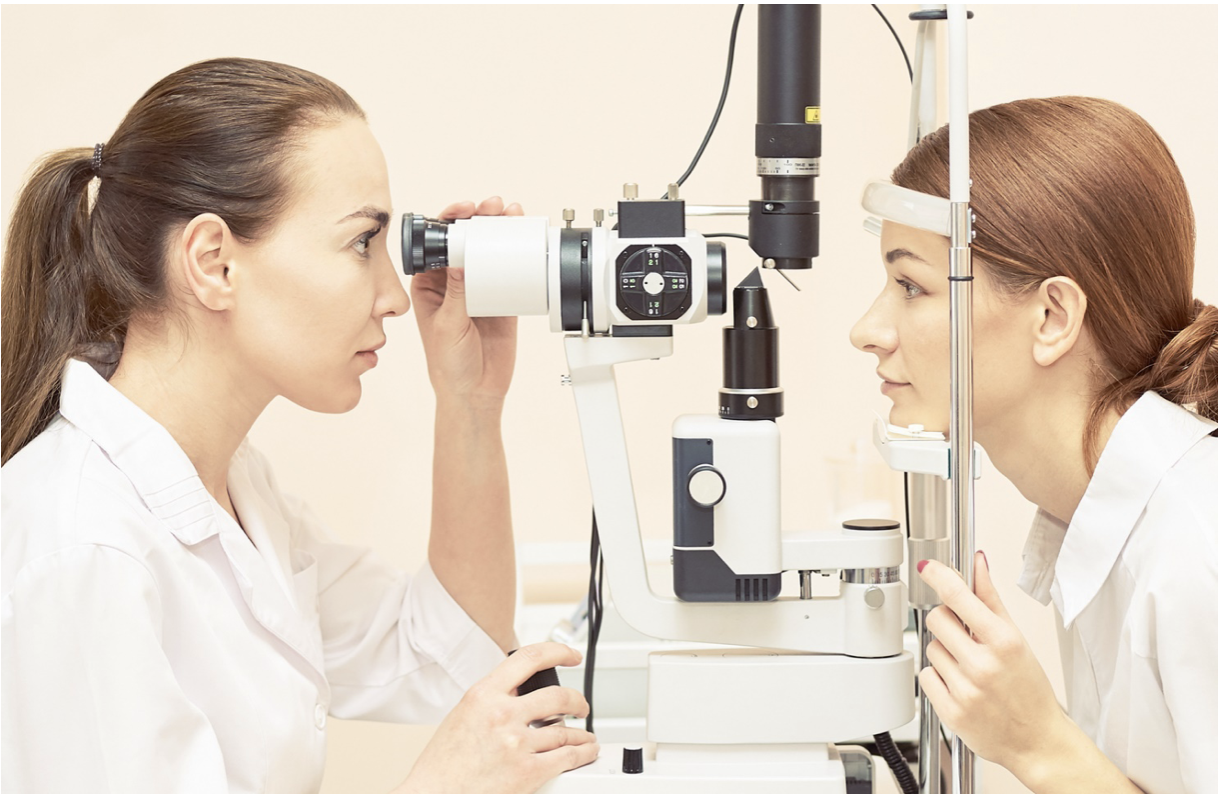
Optometrists possess detection abilities and diagnostic instruments that allow them to spot eye disorders at their beginning stages or before noticeable vision changes occur. Fast medical intervention helps slow disease evolution while protecting vision and delivering important health advantages. Check out this page for more https://www.discovermoosejaw.com/articles/world-optometry-day-why-eye-exams-are-essential-at-every-age.
Monitoring Vision Changes
Over time, your vision may change slowly, and you might not even be aware of it. You might squint more, get tired eyes, or have trouble focusing, but not realize that these signs are signs of a deeper vision problem. An eye doctor can see small changes in your eyesight that you might miss.
Making sure you keep up with these changes—whether they're to your eyeglass prescription, your contact lenses, or the options for corrective surgery—ensures that you can see clearly and easily. Small problems can be fixed before they get worse by visiting regularly.
Maintaining Health
You might not believe it, but your eyes can often tell a lot about your health. An optometrist can find early signs of health problems like high blood pressure, diabetes, and even some types of cancer during a full eye check. Blood vessel changes, brain health, and changes in the retina can all show what's going on in other parts of your body.
Eye checks are an important part of preventive health care because of this. If you notice these warning signs right away, you can get the care you need before the problem gets worse.
Eye Screeners: A Must
Vision problems can now be found more quickly and easily thanks to modern technology. One new idea that helps both customers and optometrists is the vision screener. These tools let you check your basic vision health quickly and without hurting your eyes. They can find common problems like nearsightedness, farsightedness, astigmatism, and even some muscle changes in the eyes.
Vision screeners from Depisteo are often used at first checkups or community health screenings to find people who need a more in-depth eye test. A vision screener is not a replacement for a full exam by an optometrist, but it is an important part of making eye health more available. Screeners help find problems early, which encourages people to get full care when they need it.
Vision screenings as part of regular health checks help find vision problems earlier, so more people can get the care they need before they become serious.
Taking Care of Kids' Eye Health
Children's vision is a big part of how they learn, grow, and do everyday things. Still, a lot of kids with vision problems don't get identified because they don't know how to explain their symptoms or think that everyone sees the same way they do.
An optician can check for problems like amblyopia (lazy eye), strabismus (crossed eyes), and trouble focusing, all of which can make it harder for a child to do well in school and boost their confidence. It's important to find and solve problems early on. Kids should get regular eye tests to make sure their vision develops properly and to avoid problems that will last a lifetime.
Even people who check kids' eyesight in schools and pediatric hospitals help by finding kids who may need more tests. But an optometrist's full eye test is the best way to get a full picture of a child's eye health. Read more here.
Reduce Digital and Eye Strain
Many people spend hours every day looking at screens, like computers, tablets, and smartphones. This can lead to headaches, fuzzy vision, dry eyes, and even neck and shoulder pain over time. Call it "digital eye strain."
An optometrist can give you practical tips on how to limit your screen time, suggest computer-specific glasses, and suggest exercises that will help relieve stress. They can also rule out any health problems that could be making digital eye strain worse.
Ignoring these signs could cause long-lasting pain or worsening vision over time, which makes getting annual checkups even more important.