5 Tips For Winterizing Your Home
The winter months can be tough on your home, even if you don’t get a ton of snow or ice in your region of the world. Most people tend to think that the winter months aren’t a big deal so long as there aren’t any extreme temperatures to deal with or lots of precipitation. The reality is that, if the temperature is cooler than 55 degrees Fahrenheit during the winter, your home could be experiencing wear and tear.
Winterizing your home is important to help it last for years to come and to ensure that you and your family are comfortable all season long. Extreme cold and wet are that much harder on your home than just a shift in the temperature. No matter what kind of winter you experience where you live, you need to take the time to prepare your home for the tough weather to come.
Tips to Winterize Your Home
Winterizing your home doesn’t have to be hard. Many people envision having to inspect every square inch of their home each fall, but that’s not the case. Some of the stages of the winterization process can be completed on a scheduled basis well before the cold hits. These tips will help you be ready for the coming cold so that you can be cozy and comfortable all winter long.
1. Check on Window Frames and Doors
Cold air or moisture getting into your home from poorly-seated windows or doors that are not sealing properly can damage your home significantly over the course of the winter months. Cold air seeping into your home from windows and doors can also increase your energy costs during the coldest months of the year.
This is one of the most overlooked areas of any home. Checking on these possible problem areas can make sure that your heating costs don’t go through the roof while also making sure that moisture doesn’t get into your home, creating mold and health issues.
2. Service Your HVAC System
There is nothing worse than getting into the coldest months of the year only to have your HVAC break down. Homes without heat can suffer from broken pipes and other damage, and can be a miserable place to live until the HVAC is fixed. HVAC systems that go into the coldest times of the year with faulty parts can also damage themselves over the weeks that they are still operational, leading to steeper costs for repairs once the system breaks down.
Taking care of your HVAC system matters. You cannot forget about this important part of your home’s winter well-being simply because there isn’t anything wrong during the more temperate times of the year.
3. Take Care of Your Gutters and Roof
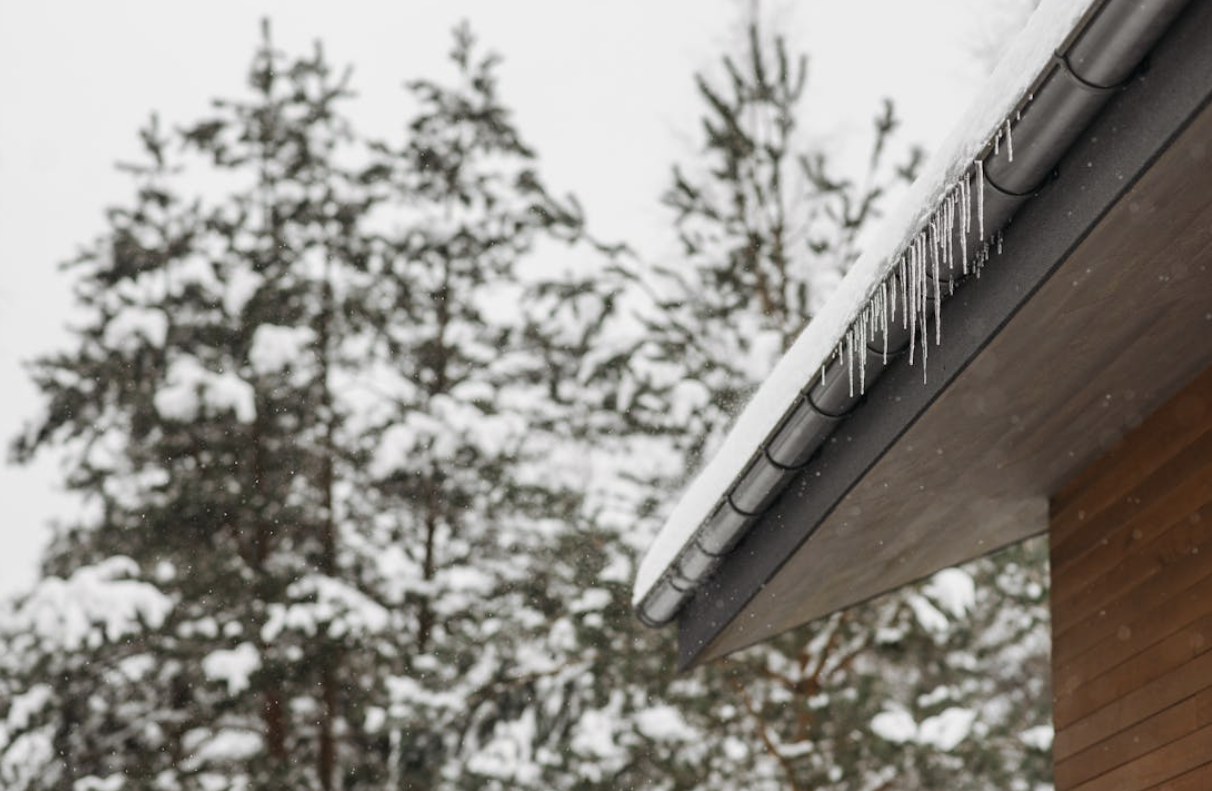
Clogged gutters can lead to all kinds of issues for your roof. They can lead to standing water that might eventually undermine your roof, and they can lead to water running down the walls of your home and flooding your basement or washing away soil from under the foundation of your house. Clogged gutters can also lead to unsightly plant growth and dirt buildup around the areas that are not draining through downspouts and into the sewer.
Caring for your roof also means having someone take a look at the shingles or tiles on your roof to be sure that they aren’t loose. The roofers who come to inspect your home can also remove moss and deal with any other issues that they spot. This is an important part of ensuring that your home is ready for winter, especially if you experience high winds, lots of rain, or lots of snow each season.
4. Protect Spigots and Plumbing
If you have spigots and other plumbing that is not protected by the walls of your home, you need to cover these plumbing features with proper insulation materials. There are various insulation solutions that will make this process easy. Additionally, you can keep water flowing to your spigots so that you can get water whenever you need it outside your home, even when the weather is very cold.
Heat tape and other solutions can greatly improve your chances of keeping plumbing safe in areas where there is no protection from insulated walls. You should be sure that you don’t assume that these exterior plumbing fixtures will thaw out again in the warmer weather and be okay to use again. They can easily be damaged and need to be replaced when the weather changes again.
5. Put in Foundation Plugs
Foundation plugs help keep your home warm when the weather is cold, and they prevent air circulation that can make floors cold and compete with your HVAC. Foundation plugs are a very affordable solution to keep your heating costs down and to make sure that your home is cozy all winter long.
Many people are not aware that they can protect their foundation from cold drafts in this way, which is why most people stress about the cost of their heating bill each winter. You can save yourself money and discomfort with this one, simple solution that will help make all the other solutions work even better.
Caring For Your Home Means Winterizing It Each Season
Be sure that your HVAC is being cared for annually, and check on the health of your gutters and your roof. These factors are the most time-consuming and expensive when it comes to repairs, and you don’t want to land in the dead of winter with roof issues or problems with your HVAC system. You can set up inspections for the exterior of your home well before the cold hits, and this is a key aspect of the winterizing process.
Make sure that you don’t forget to winterize your home each winter. You will prevent damage and high heating costs throughout the coldest part of the year by taking the time to prepare your home for the winter. Preventing water damage and ensuring that cold air isn’t getting into your home can make all the difference when you head into the coldest part of the year.