8 Ways to Protect Electrical Systems From Water
Water exposure is one of the most serious threats to electrical systems in both residential and commercial environments. Even small amounts of moisture can corrode components, disrupt circuits, and create dangerous conditions that put people and property at risk. Protecting electrical systems requires a combination of preventive planning, structural safeguards, and responsive maintenance. When these measures work together, they help ensure reliability, reduce hazards, and extend the lifespan of critical electrical infrastructure.
Strengthen Structural Barriers Around Electrical Components
The first line of defense against water intrusion is a strong physical barrier. Electrical panels, outlets, wiring, and junction boxes should be installed in areas that are naturally protected from moisture. Elevating panels above potential flood levels, sealing wall penetrations, and using moisture‑resistant materials all help reduce exposure.
In basements, crawl spaces, and utility rooms, waterproofing measures such as vapor barriers, sealed concrete, and proper drainage systems can significantly reduce the risk of water reaching electrical components. These structural protections create a safer environment and help prevent costly damage.
Install Weatherproof and Water‑Resistant Equipment
Outdoor electrical systems and areas prone to humidity require equipment designed to withstand moisture. Weatherproof covers, water‑resistant outlets, and sealed conduit systems help protect wiring and connections from rain, condensation, and splashing.
Using components rated for wet or damp locations ensures that the system can operate safely even when exposed to environmental moisture. These products are engineered to prevent water from entering sensitive areas, reducing the likelihood of corrosion, short circuits, or electrical failure.
Maintain Proper Drainage and Moisture Control
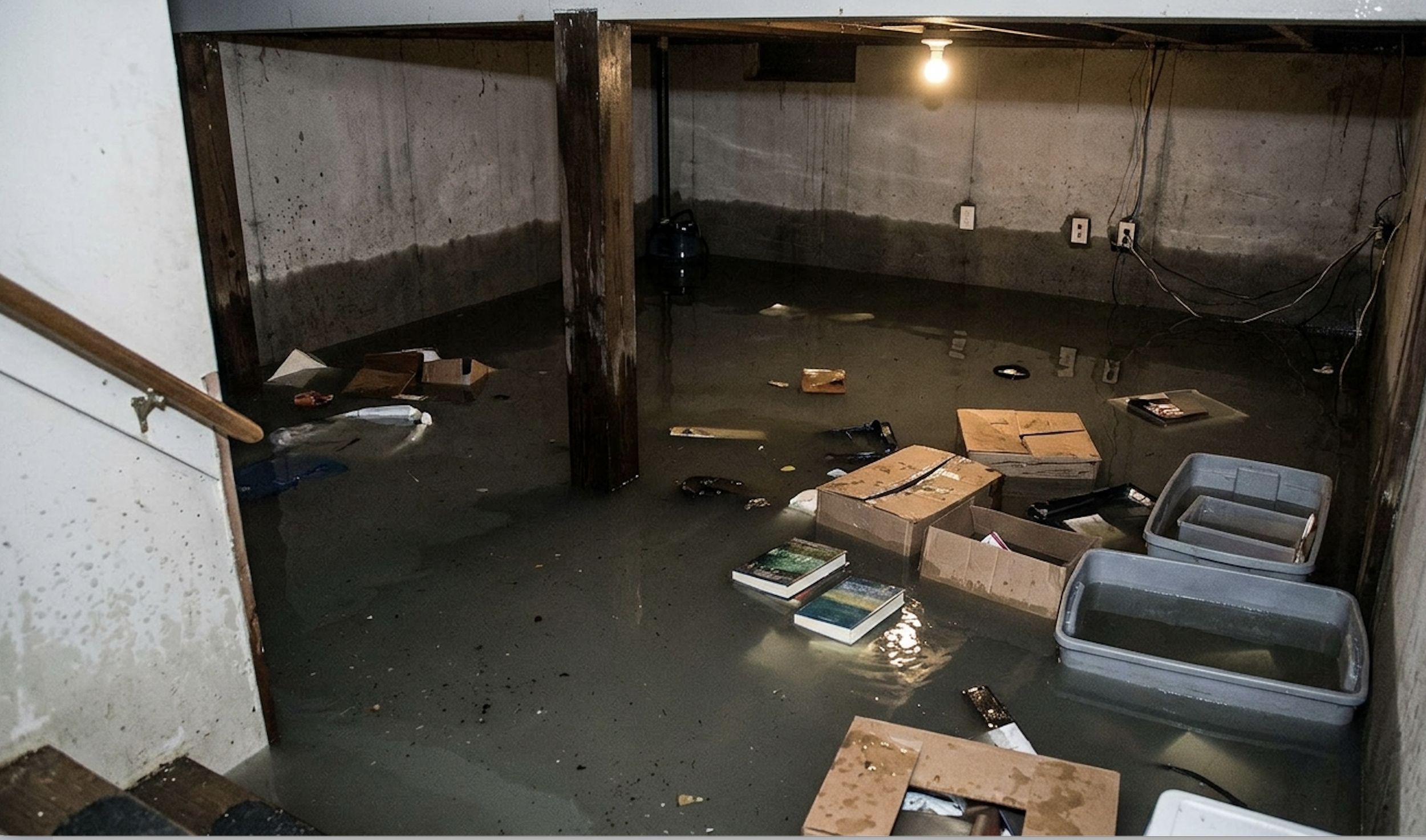
Effective drainage is essential for preventing water from accumulating near electrical systems. Gutters, downspouts, grading, and sump pumps all play a role in directing water away from structures. When drainage systems fail or become clogged, water can seep into walls, floors, and utility areas where electrical components are located.
Moisture control inside the building is equally important. Dehumidifiers, ventilation systems, and regular inspections help keep humidity levels low, reducing the risk of condensation forming on electrical equipment. Consistent moisture management supports long‑term system reliability.
Conduct Routine Inspections and Preventive Maintenance
Regular inspections help identify early signs of water exposure before they escalate into major problems. Corrosion, discoloration, rust, and unusual odors can indicate moisture intrusion. Inspecting wiring, outlets, and panels allows property owners to address issues promptly.
Preventive maintenance also includes checking seals, replacing worn components, and ensuring that protective covers remain intact. When inspections are performed consistently, electrical systems remain safer and more resilient against water‑related damage.
Respond Quickly to Water Intrusion Events
When water exposure occurs, immediate action is essential. Turning off power to affected areas, drying the space, and assessing the extent of the damage help prevent further deterioration. Electrical systems should never be re‑energized until they have been inspected by a qualified professional.
In situations involving significant water intrusion, working with a reputable water damage restoration service ensures that moisture is removed thoroughly and safely. These professionals understand how water affects building materials and electrical components, helping restore the environment to a safe condition before repairs begin.
Use Protective Conduits and Enclosures
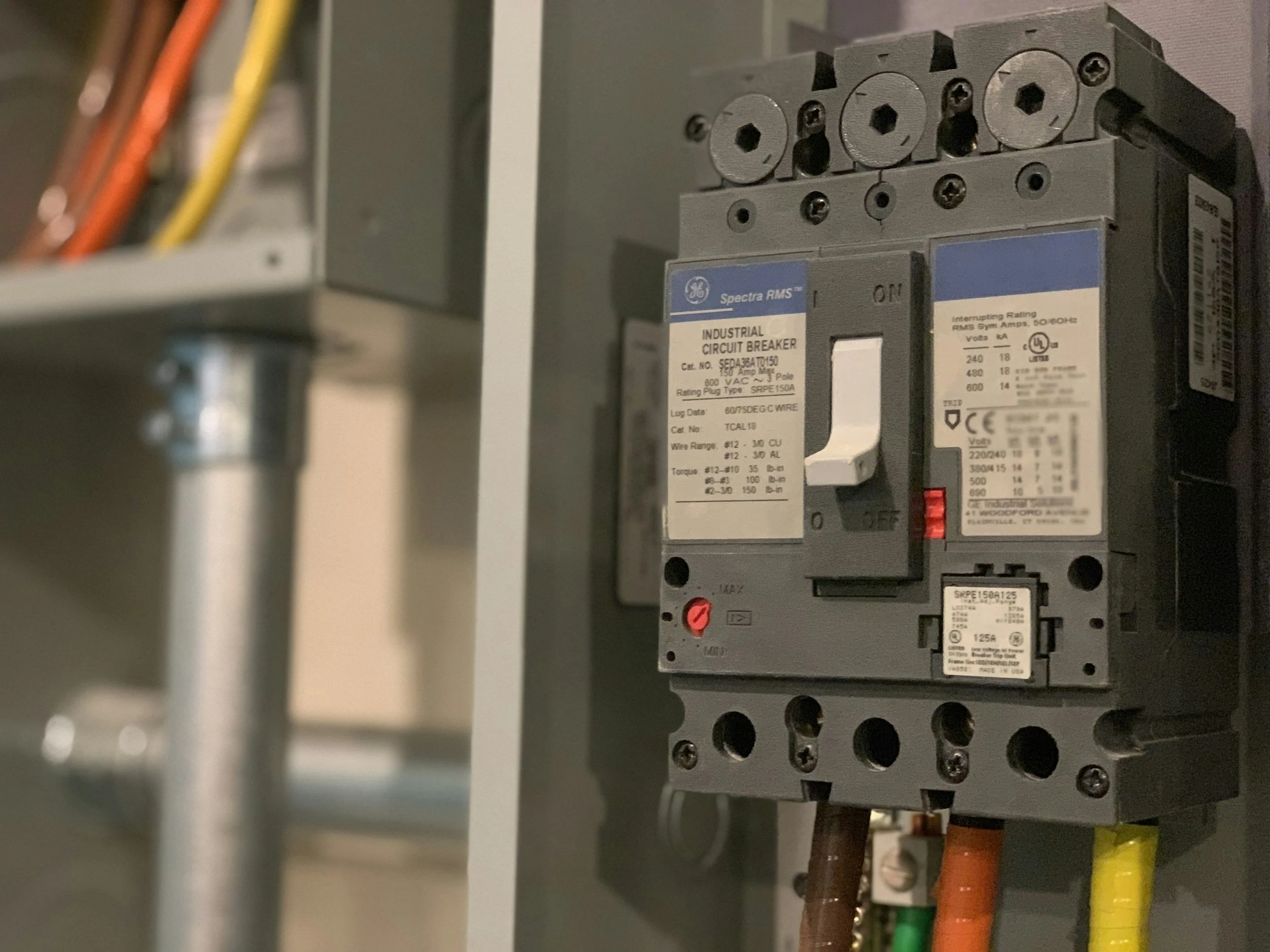
Protective conduits and enclosures shield wiring from moisture, physical damage, and environmental exposure. Rigid metal or PVC conduits provide a sealed pathway that prevents water from reaching the wiring inside. Enclosures with appropriate ratings help protect sensitive components such as switches, breakers, and control panels.
These protective systems are especially important in industrial settings, outdoor installations, and areas with high humidity. When conduits and enclosures are properly installed and maintained, they significantly reduce the risk of water‑related electrical failures.
Elevate Electrical Systems in Flood‑Prone Areas
Properties located in flood‑prone regions benefit from elevating electrical panels, outlets, and wiring above expected water levels. Raising these components reduces the likelihood of direct water contact during heavy rain, plumbing failures, or natural flooding events.
In addition to elevation, using moisture‑resistant materials and designing layouts that minimize exposure helps protect the system. Elevation strategies are a long‑term investment that enhances safety and reduces the cost of future repairs.
Implement Emergency Power and Safety Measures
Backup power systems and safety devices help maintain stability during water‑related disruptions. Ground fault circuit interrupters (GFCIs) provide essential protection by shutting off power when moisture is detected. Surge protectors help safeguard equipment from electrical fluctuations that may occur during storms or flooding.
Emergency power sources, such as generators or battery backups, ensure that critical systems remain operational even when the main electrical supply is compromised. These measures support continuity and reduce the risk of damage during unexpected events.
Conclusion
Protecting electrical systems from water involves strengthening structural barriers, using weather‑resistant equipment, maintaining proper drainage, conducting routine inspections, responding quickly to water exposure, installing protective conduits, elevating components in flood‑prone areas, and implementing safety measures. These strategies work together to reduce hazards, preserve system integrity, and support long‑term reliability.