Common Reasons Basements Flood During the Spring Season
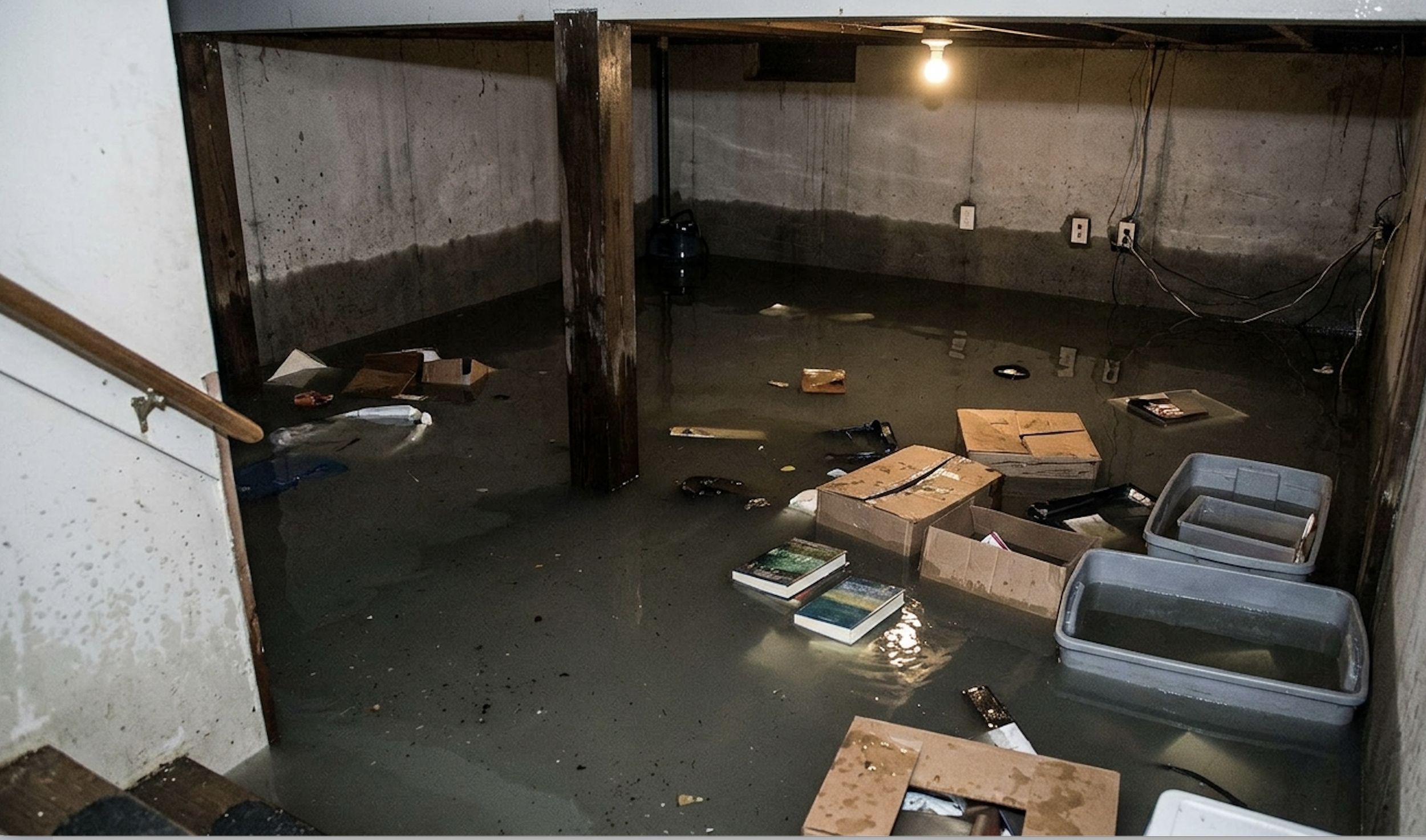
Spring brings warmer temperatures and increased rainfall, which can create unexpected problems for homeowners. When snow melts and heavy rain arrives, many people begin searching for affordable emergency sump pump solutions to protect their basements from rising water. Understanding why flooding occurs during this season can help homeowners take steps to prevent costly damage.
Snowmelt and Rising Groundwater
One of the most common causes of spring flooding is melting snow. During winter, snow accumulates across lawns, roofs, and surrounding areas. When temperatures rise quickly, that snow melts, releasing large amounts of water.
The ground may still be partially frozen during early spring. Frozen soil cannot absorb water effectively. As a result, melted snow often collects on the surface and moves toward basements.
Rising groundwater increases the pressure around a home's foundation. When the soil becomes saturated, water exerts pressure on the basement walls and floors. This pressure can force moisture through small cracks.
Heavy Spring Rainfall
Spring storms frequently bring steady or intense rainfall. When large amounts of rain fall within a short time, the soil quickly becomes saturated. Excess water then flows toward lower areas.
Basements naturally sit below ground level. Because of this position, they are more vulnerable to water intrusion during storms. Rainwater can easily move toward the foundation.
When drainage systems cannot keep up with rainfall, water may collect near the home. This increases the risk of water entering the basement. Even well maintained properties can experience flooding during severe weather.
Poor Yard Drainage
The yard's slope plays a major role in directing water away from a home. Ideally, the ground should gently slope away from the foundation. This natural direction allows rainwater to flow away safely.
However, some yards develop slopes that lead water toward the house. This may happen due to soil settling or landscaping changes. When the ground directs water toward the home, the basement becomes more vulnerable.
Low spots in the yard can also create problems. These areas collect rainwater during storms. Over time, the water may seep through the basement walls or floors.
Clogged Gutters and Downspouts
Gutters and downspouts help move rainwater away from the roof and foundation. When these systems become clogged with leaves and debris, water cannot flow properly. Overflowing gutters allow water to fall directly near the house.
Water that collects near the foundation can eventually seep into the basement. This is especially common during heavy rainfall. Even a small amount of overflow can create moisture problems.
Downspouts that end too close to the home can also contribute to flooding. Water should be directed several feet away from the foundation. Proper drainage reduces the risk of basement water intrusion.
Foundation Cracks and Structural Weak Points
Over time, foundations can develop small cracks. These cracks may form due to soil movement, temperature changes, or the home's natural settling. While some cracks appear minor, they can allow water to enter during wet conditions.
Spring moisture often exposes these weak points. When groundwater levels rise, pressure builds against the foundation walls. Water then finds the easiest path into the basement.
Even tiny openings can allow moisture to seep through slowly. Over time, this seepage may lead to damp walls or puddles on the basement floor. Early repair of cracks can prevent larger problems.
Failing or Overworked Sump Pumps
Sump pumps play an important role in protecting basements from flooding. These devices remove water that collects in a sump basin and pump it away from the home. When working properly, they help control rising groundwater.
However, sump pumps can wear out over time. Mechanical parts may fail or become clogged with debris. When a pump stops working during a storm, water can quickly accumulate.
In severe cases, homeowners may require emergency sump pump repair to restore protection. Acting quickly can prevent water from spreading throughout the basement. Regular inspections help ensure the system is ready for heavy rain.
Sewer Line Backups
Spring rainfall can also overwhelm municipal sewer systems. When sewer lines become overloaded, wastewater may backflow into homes. This situation can lead to unpleasant and hazardous basement flooding.
Homes located in low lying areas may face a higher risk of sewer backups. Water naturally moves toward lower elevations when systems become overwhelmed. Basement drains may become the outlet for this pressure.
Backflow prevention devices can help reduce this risk. These valves prevent wastewater from moving back into the home. Installing one adds an extra layer of protection.
Final Thoughts
Spring weather often brings the perfect combination of melting snow, heavy rain, and saturated soil. These conditions increase the risk of water entering basements due to drainage problems, foundation cracks, or overwhelmed plumbing systems. When flooding risks become serious, homeowners may rely on affordable emergency sump pump solutions to restore proper protection.