How Robot Vacuums Save Maps for Multiple Floors
Robot vacuums have come a long way from simple random cleaners. Today, many advanced models can scan, remember, and manage multiple floor maps, making them ideal for large homes or multi-story houses. Instead of manually resetting the robot every time you move it upstairs, modern navigation systems allow the device to store separate floor plans and automatically recognize where it is.
For homeowners with two or three floors, this feature can dramatically simplify daily cleaning. Let’s explore how multi-floor mapping works and why it matters for real-world cleaning scenarios.
Why Multi-Floor Mapping Matters
Many homes today have multiple levels: a main floor with the kitchen and living room, bedrooms upstairs, and sometimes a finished basement. Each floor usually has a completely different layout, furniture placement, and flooring type.
Without multi-floor mapping, a robot vacuum would need to remap every level each time it is moved, which wastes time and reduces cleaning efficiency.
With saved floor maps, the robot can:
Instantly recognize the layout of each floor
Navigate efficiently without re-learning the space
Apply customized cleaning settings for each level
Resume cleaning exactly where it stopped
This is particularly useful in larger homes where cleaning sessions may take longer.
Scenario 1: Cleaning Different Floors with Different Floor Types
In many homes, flooring changes from room to room. For example:
Hardwood floors in the living room
Tiles in the kitchen
Thick carpets in bedrooms
A robot vacuum with smart floor mapping can remember where these surfaces are located. This allows it to automatically adjust cleaning behavior when moving between areas.
For instance, models like the MOVA MOBIUS 60 Robot Vacuum use intelligent navigation and strong suction to handle both carpets and hard floors efficiently. Features such as its MopSwap system allow users to choose different mop pads depending on the surface, whether it’s greasy kitchen floors, delicate wood, or everyday cleaning.
Because the robot remembers the layout, it can move directly to each room without unnecessary scanning.
Scenario 2: Large Homes That Require Cleaning to Resume Automatically
Large homes often exceed a robot vacuum’s battery capacity in a single run. In these situations, the robot must return to the dock, recharge, and then continue cleaning.
This is where saved maps become critical.
A model like the MOVA Z60 Ultra Roller Complete Robot Vacuum is designed for this kind of environment. With powerful 28,000 Pa suction and intelligent navigation, it can map large spaces and resume cleaning automatically after charging.
For homeowners, the experience is seamless:
The robot begins cleaning the main floor
When the battery gets low, it returns to the base station
After charging, it resumes exactly where it left off
This is particularly useful for large houses where cleaning the entire floor can take several hours.
Scenario 3: Moving the Robot Upstairs Without Remapping
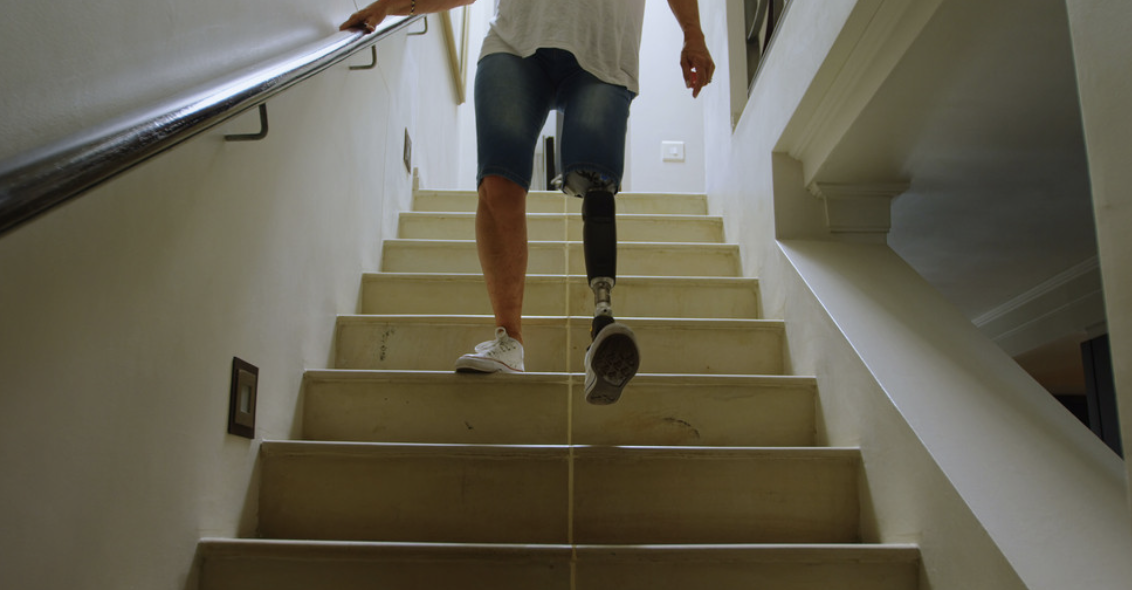
One of the most convenient aspects of multi-floor mapping is portability. You can carry the robot to another floor, press start, and it will recognize the saved map.
For example, in a typical three-floor home:
Floor 1: Living room and kitchen
Floor 2: Bedrooms
Floor 3: Office or entertainment area
Once each level has been mapped, the robot can quickly identify the floor and begin cleaning immediately.
Devices like the MOVA V50 Ultra Complete Robot Vacuum support efficient navigation and strong 24,000 Pa suction, making them suitable for cleaning different levels without complicated setup. Features such as automatic mop detaching and obstacle crossing help it adapt to varied layouts across floors.
Scenario 4: Homes with Pets and High-Traffic Areas
Multi-floor mapping also allows users to customize cleaning zones. For example:
Daily cleaning for the pet area downstairs
Weekly cleaning for guest rooms upstairs
Deep cleaning for the carpeted hallway
Robots equipped with strong suction and intelligent navigation can focus on high-traffic zones without wasting time on areas that do not require frequent cleaning.
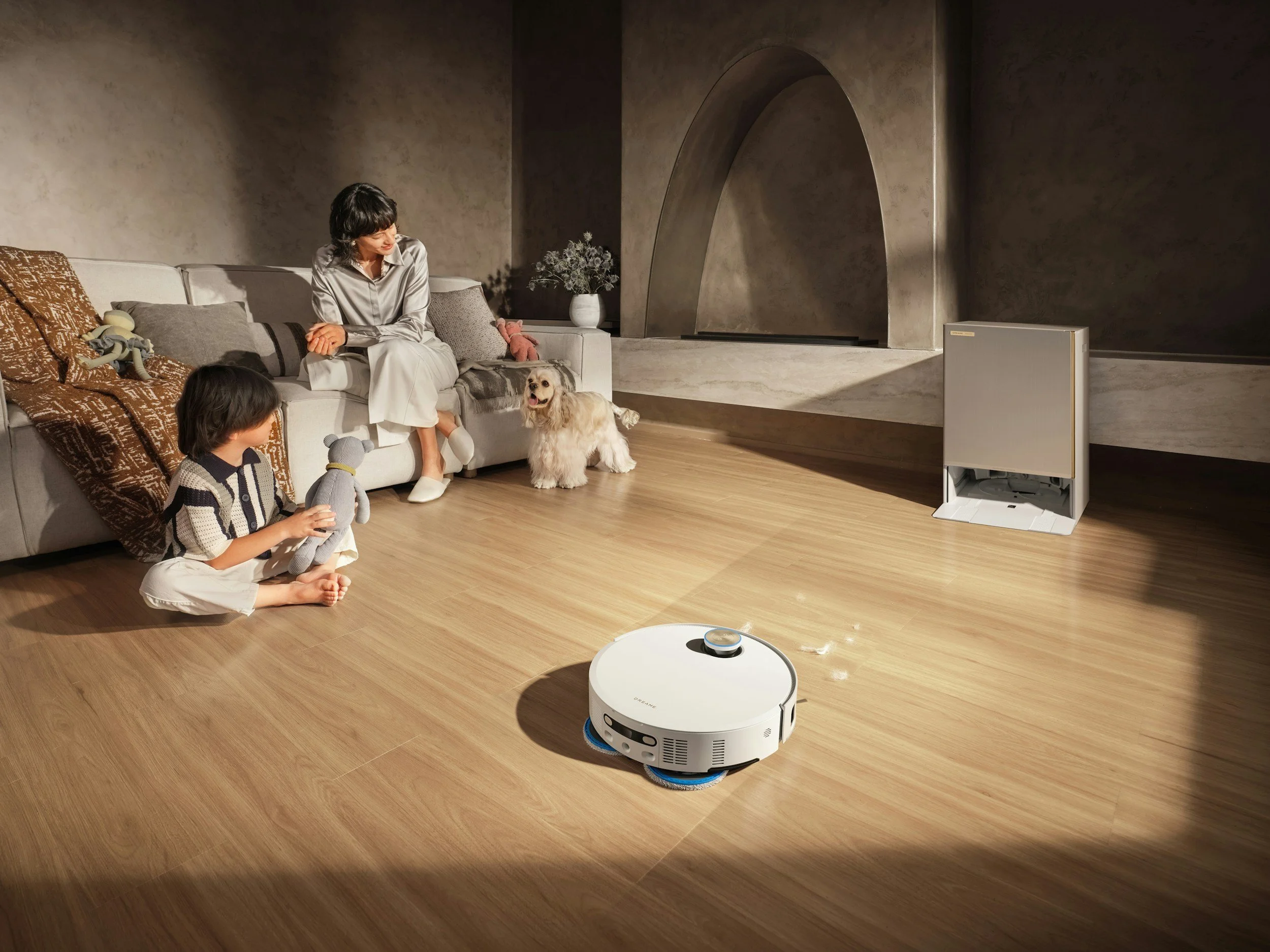
This kind of flexibility is especially valuable in homes with pets, where fur and debris tend to accumulate in specific locations.
Scenario 5: Smart Edge and Corner Cleaning Across Different Rooms
Different floors often have different room layouts. Some may have large open spaces, while others contain tight corners and furniture.
Advanced robot vacuums can remember these layouts and optimize their cleaning path accordingly.
For example, edge cleaning systems and adjustable sensors allow the robot to:
Clean along baseboards
Reach under low furniture
Navigate open spaces efficiently
By remembering each floor’s structure, the robot can reduce repeated passes and clean more efficiently.
Choosing a Robot Vacuum for Large Homes
When selecting a robot vacuum for a large or multi-story home, several features become especially important:
Multi-floor map storage
Automatic recharge and resume
Strong suction for carpets and debris
Smart navigation and obstacle handling
Self-maintenance docking systems
For many users, placing the main cleaning dock on the primary floor works best. From there, the robot can handle most daily cleaning tasks automatically.
Conclusion
Multi-floor mapping has become one of the most valuable features in modern robot vacuums. Instead of treating every cleaning session like a new environment, advanced robots can remember each floor of your home and clean more intelligently.
For large houses or multi-story homes, this means:
Less manual setup
Faster cleaning cycles
More consistent results
Models such as the MOVA MOBIUS 60, MOVA Z60 Ultra Roller Complete, and MOVA V50 Ultra Complete demonstrate how modern robot vacuums combine strong suction, smart navigation, and automated maintenance to handle complex homes with ease.
With the ability to store and recognize multiple maps, robot vacuums are no longer just convenient gadgets. They are becoming reliable, fully automated cleaning systems for modern households.