Choosing the Right Surfaces to Seal: What’s Worth Protecting (and What’s Not)
When it comes to sealing outdoor surfaces, many homeowners ask the same question: Do I really need to seal everything? It’s a fair consideration. Sealing takes planning, time, and investment—and not every surface demands the same level of protection. The truth is, some materials benefit significantly from permanent sealing, while others may not justify the effort or expense.
In regions where sun, moisture, or freeze-thaw conditions cause long-term damage, sealing is an essential part of outdoor maintenance. But just because something is outside doesn't automatically mean it needs to be sealed. The key is understanding the material, how it's used, and what kind of wear it’s exposed to.
Companies like DuraSeal Inc are often consulted by homeowners looking to make informed decisions on how to protect their outdoor spaces efficiently. This guide explores which surfaces truly benefit from sealing—and which ones may be better left as-is.
Surfaces That Always Deserve Sealing
Some materials are inherently vulnerable to the elements. When used outdoors, they absorb water, fade in sunlight, or break down under heavy use. These are the high-priority surfaces where sealing delivers maximum return.
1. Wood Decks and Docks
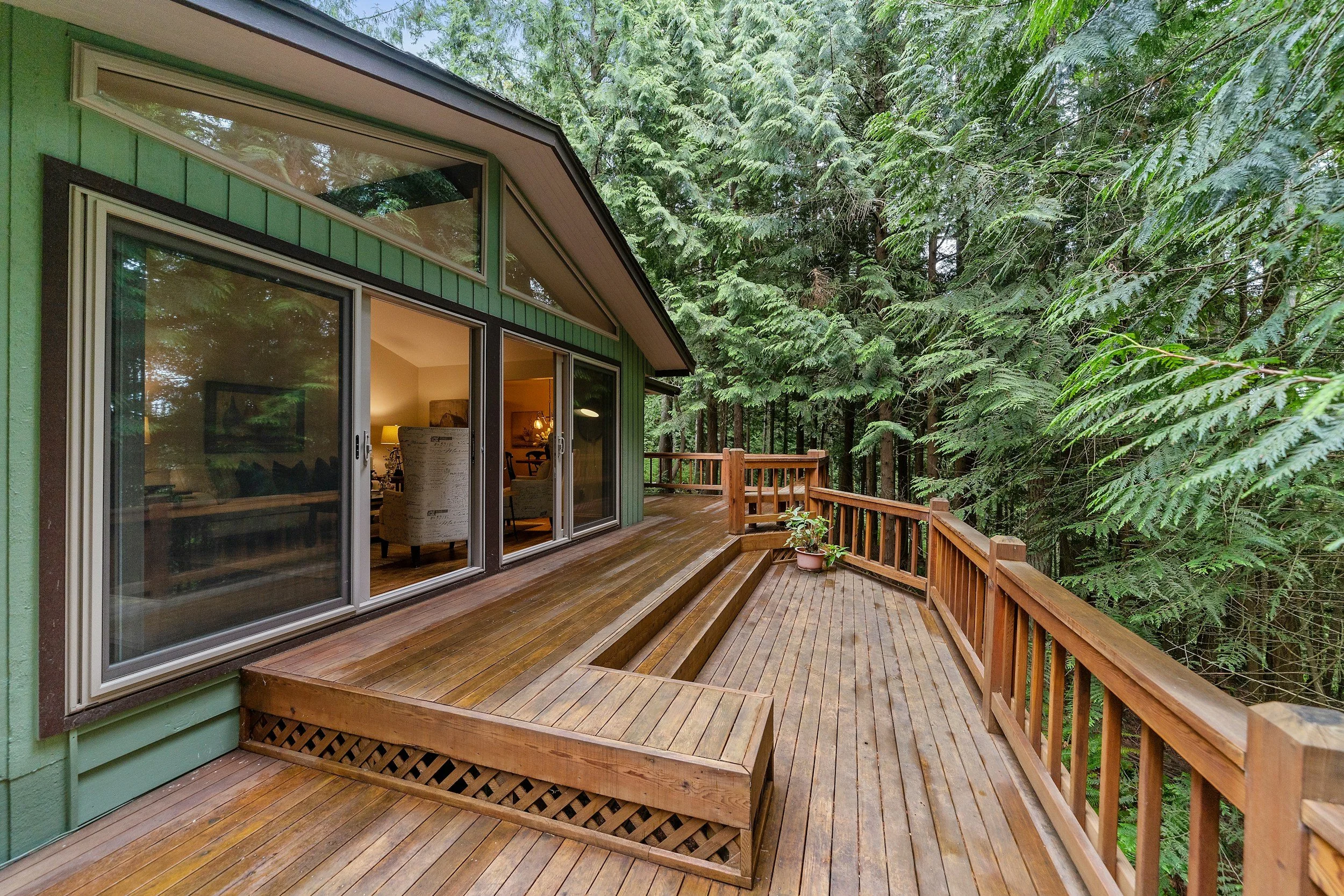
Wood is a natural material that reacts significantly to its environment. Unsealed wood quickly weathers, turning gray and brittle. Moisture causes expansion and contraction, leading to warping or splitting. Sunlight breaks down the fibers, especially in horizontal surfaces like decks.
Decks and docks are in near-constant contact with moisture—from rain, pool splash, or even morning dew. They’re also high-traffic areas, which compounds surface wear. Applying permanent wood and concrete sealing on these surfaces reduces deterioration, minimizes maintenance, and extends usable life by years.
2. Concrete Patios and Walkways
Concrete may seem indestructible, but it’s actually porous and prone to cracking over time. Water seeping into the surface—especially in freeze-prone areas—creates internal stress that results in surface fractures. Oil stains, rust, and salt from ice-melting products can also discolor and weaken concrete.
Sealing concrete walkways and patios helps repel water, prevents staining, and reduces surface flaking. It’s particularly important for colored or decorative concrete, where appearance is part of the investment.
3. Pavers and Stone Paths
Pavers and natural stone offer aesthetic appeal and functional walkways—but they too are porous. Without sealing, they absorb dirt, moss, and moisture. This can lead to dark spots, algae growth, or even joint shifting due to freeze-thaw cycles.
Permanent sealing preserves the original color and texture while making it easier to clean. In areas with heavy foot traffic or significant moisture exposure, this protection is not just helpful—it’s necessary.
4. Wood Fences and Pergolas
Unlike decks or patios, vertical wood structures may not see the same foot traffic, but they’re still vulnerable. Sunlight and wind exposure dry out the surface, and rain gets absorbed from top edges or dripping from nearby trees.
Sealing fences, pergolas, and similar vertical structures helps retain color and structural integrity. While these surfaces won’t decay as quickly as horizontal decking, they still benefit greatly from protection—especially when built with untreated wood.
5. Cabins and Outdoor Sheds
For homes with wood cabins or freestanding outdoor structures, sealing provides an essential defense against rot, insects, and fading. These structures are more than cosmetic—they’re long-term investments that need weatherproofing to stay strong and attractive.
Permanent wood sealing keeps moisture out and minimizes swelling, splitting, or mildew growth. In climates with high humidity or large seasonal swings, it becomes an essential part of long-term upkeep.
Surfaces Where Sealing Is Optional
Not every surface outside requires sealing. Depending on location, usage, and material type, some structures may function just fine without it.
1. Composite Decking
Composite materials are engineered to resist fading, warping, and staining. They are low-maintenance by design and often come with manufacturer warranties that don’t require sealing. In fact, applying a sealant can sometimes void the warranty or change the surface texture.
If aesthetics or feel is a concern, it's best to check with the product manufacturer before applying anything.
2. Gravel Paths and Loose Stone Areas
Gravel driveways, garden paths, or crushed stone features don’t benefit from traditional sealing. These surfaces are loose by nature, and sealing them would prevent natural movement or drainage. Maintenance here should focus on leveling, weed control, and occasional topping up—not sealing.
3. Non-Porous Tiles and Manufactured Pavers
Certain man-made tiles or pavers used outdoors are already non-porous. These surfaces may not absorb water or stains the way natural stone or concrete does. While sealing might enhance appearance, the functional benefit is limited.
Before sealing, check the material specifications. If water beads on the surface without soaking in, sealing may not offer much practical gain.
4. Shaded, Protected Areas
Surfaces under permanent cover—like enclosed patios or overhangs—face less exposure to rain, UV rays, and wind. In these cases, sealing might still help with cleaning or stain resistance, but the risk of surface damage is significantly lower.
Homeowners can weigh the cost of sealing versus the level of exposure. If a concrete pad is protected year-round and sees limited use, it may not need sealing unless appearance is a concern.
Factors to Consider When Deciding
Still unsure? A few simple questions can help guide your sealing decisions.
Is the material porous? If yes, sealing is probably worthwhile.
Does it face regular moisture, sunlight, or freezing? These are red flags for surface damage.
Is the surface horizontal or flat? Horizontal surfaces tend to wear out faster due to exposure and water pooling.
Is the appearance of the material important? Sealing can help preserve original color and finish.
Will sealing reduce maintenance or future costs? If yes, the investment makes sense long-term.
Making a Smart Plan
Sealing should be a targeted, thoughtful step—not a blanket process. Prioritize high-impact areas first, such as decks, concrete walkways, and stone patios. Then, based on budget and wear patterns, consider whether other structures would benefit as well.
Brands like DuraSeal Inc are often referenced by homeowners when evaluating where to start. Their experience across materials like concrete, pavers, stone, and wood surfaces helps guide practical and cost-effective solutions.
Conclusion
Sealing can transform the lifespan and performance of outdoor surfaces—but only when applied where it counts. Decks, docks, fences, pergolas, cabins, and concrete walkways endure harsh conditions and benefit greatly from permanent protection. Pavers and masonry paths exposed to the elements also deserve attention.
On the other hand, some surfaces are better left alone. Gravel paths, composite decking, or well-sheltered areas might not require sealing at all. By evaluating the material, exposure, and purpose of each surface, homeowners can protect what matters most—without wasting time or money.
Smart sealing starts with smart decisions. Choose the right surfaces, apply quality materials, and enjoy longer-lasting beauty and durability across your outdoor space.