Common Causes of Household Floods and How to Prevent Them
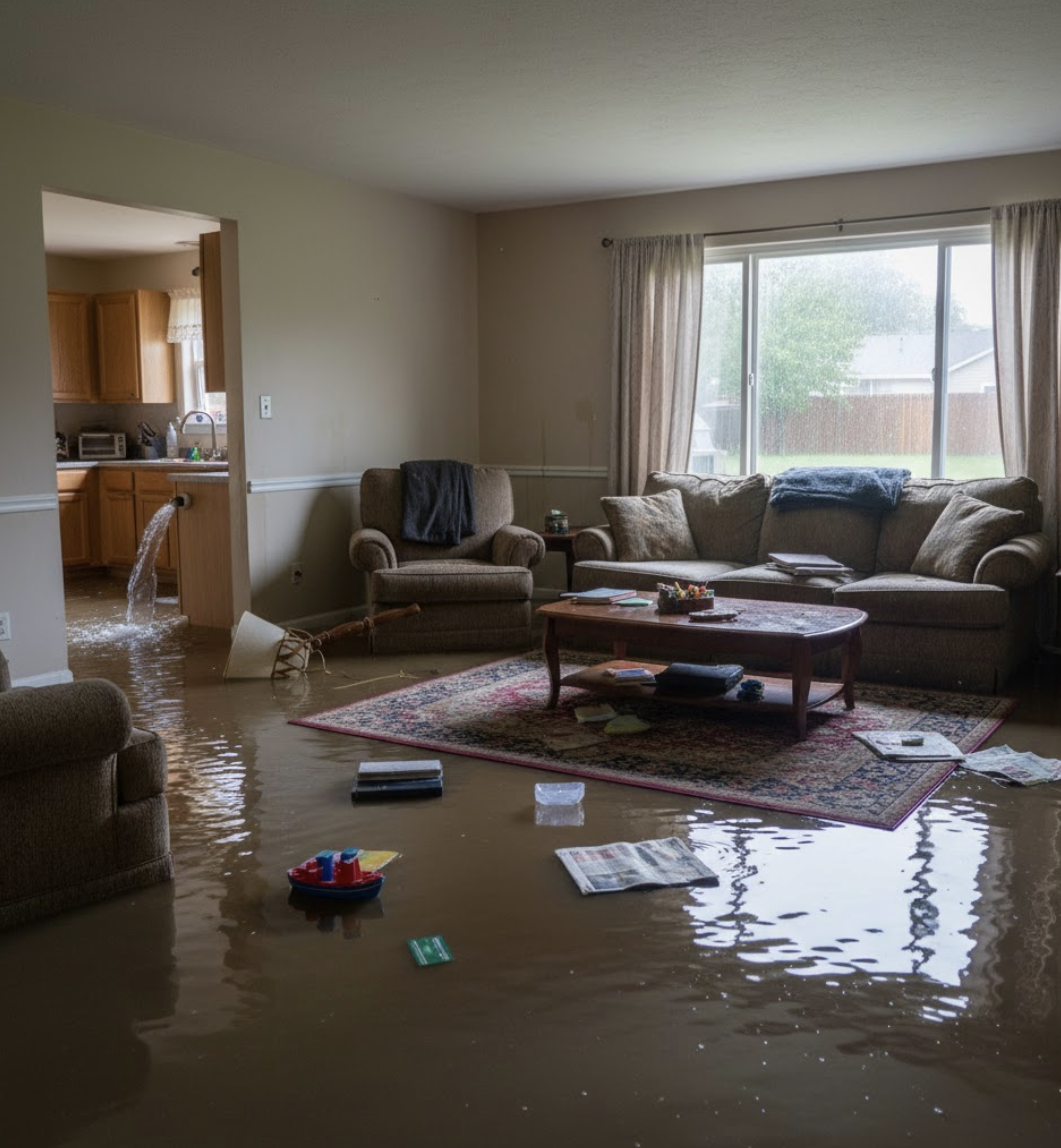
Floods at home are a relatively depressing situation that can lead to a lot of damage to property and other belongings. Though there are floods caused by natural disasters, many of them actually stem from inside the plumbing or drainage system of the house. Understanding common causes of household flooding can help homeowners take some preventative measures, which could save both money and stress. This composition looks at five major causes of flooding and water damage inside homes.
Clogged Drains and Gutters
Water overflows from congested drains and gutters, which constantly enter basements, kitchens, and bathrooms. The gutter system may get congested with leaves, debris, and sediment, preventing the rain from being taken down from the house. Also, hair, cleaner, and grease might block the drains in kitchens and bathrooms. When the water inflow is dammed, it can back up, leading to flooding into the innards of the structures. This may be averted through regular cleaning and conservation of drains and gutters. It's best for homeowners to record their seasonal examinations, clearing up blockages and ensuring that water channels serve properly.
Poorly Sealed Windows and Foundations
Water intrusion in heavy rain or storms can result from certain structural issues in the house. Poor sealing of windows, cracked foundations, and gaps in walls allow rainwater to seep into the home. These issues may not immediately be apparent; still, nonstop exposure to humidity might damage flooring, cabinetwork, and electrical systems, along with flooding basements and floors. Sealing windows, repairing cracks, and installing proper drainage systems around the house are practical results that can be pursued to reduce the pitfalls of flooding. Homeowners should check their basements and bottleneck areas for any moisture and address small leaks before they become major issues.
Cracked and Burst Pipes
Cracked or burst pipes are one of the most common reasons people witness internal flooding. The reason why pipes have cracks is due to aging, poor installation, or extreme changes in temperature. In some areas of Australia, for instance, unforeseen heatwaves can expand pipes, while indurating conditions contract them. Water may suddenly burst out, submerging the floors and ceilings, if the pipe bursts. However, critical measures should be taken if one also finds that the water pressure decreases and there are wet spots on the walls. In such cases, it is essential to hire a reliable plumber from Sydney to repair the damage and prevent further flooding. Regular inspections can help identify vulnerable pipes before they fail catastrophically.
Faulty Appliances
Faulty household appliances can be another source of flooding. Washing machines, dishwashers, and water heaters can all contribute to leaks as hoses, seals, and other components wear out. Weaknesses that seem like a minor leak will ultimately develop into a significant accumulation of water. Proper installation and scheduled maintenance greatly decrease the risks of household flood from these appliances. Consider turning the appliances off when not in use. Pay attention to the sounds of these appliances, checking for leaks should you hear noises or see signs of leaking. Often, replacing an old appliance may be less costly than fixing multiple leaks.
Extreme Weather Events
As important as internal plumbing and conservation of homes may be, external conditions such as heavy rains, flash floods, and storms contribute to inner flooding. In unforeseen cloudbursts, especially in cases of limited ground permeability in metropolises, drainage systems quickly get overwhelmed. Flash floods may cause water to access into homes at ground level and reach living spaces and precious effects. Preparing for extreme rainfall can include both readiness of the home and external measures, like the installation of sump pumps, flood barriers, and ensuring the drainage systems around the home are free. These will help soften the blow of such changeable environmental circumstances.
To summarize, homes may flood for many reasons, including pipe bursts, blocked drains, appliance failure, structural weaknesses, and heavy rain. Being familiar with these causes allows the homeowner to take preventive actions and minimize the potential damage. Homeowners can control water damage through regular checks, but quick action and getting professional help for backup is crucially important. If families assess early on and proactively deal with the weak area, they can prevent significant property damage from plumbing anomalies or rain accumulation changes.