6 Key Phases of a Construction Project
Every construction project, whether it’s a residential building, commercial space, or infrastructure development, goes through a systematic process that makes it succeed to the end. The knowledge of every stage will assist the project owners, the contractors, and the project stakeholders to remain efficient, keep the costs under check, and avoid wasting time. Construction does not only revolve around building but also incorporates planning, designing, budgeting, and quality control. All stages are significant in changing an original idea into a finished structure.
A construction project consists of six major stages, which include (1) Project Conception and Initiation, (2) Design and Planning, (3) Pre-Construction, (4) Procurement, (5) Construction, and (6) Post-Construction. These steps are used to steer the project lifecycle from the original idea to the handover. These steps would be very helpful to guarantee the safety, compliance, and durability of the completed project by construction teams.
1. Project Conception and Initiation
The first phase starts with an idea, defining what needs to be built and why. The client or project owner identifies the project’s purpose, scope, and potential challenges. A construction estimate is typically developed at this stage to determine feasibility and expected costs.
A feasibility study assesses site conditions, environmental impact, and financial viability. Stakeholders such as investors, engineers, and architects are brought in to evaluate the project’s potential. Once the project is deemed practical and profitable, it moves to the design stage.
2. Design and Planning Phase
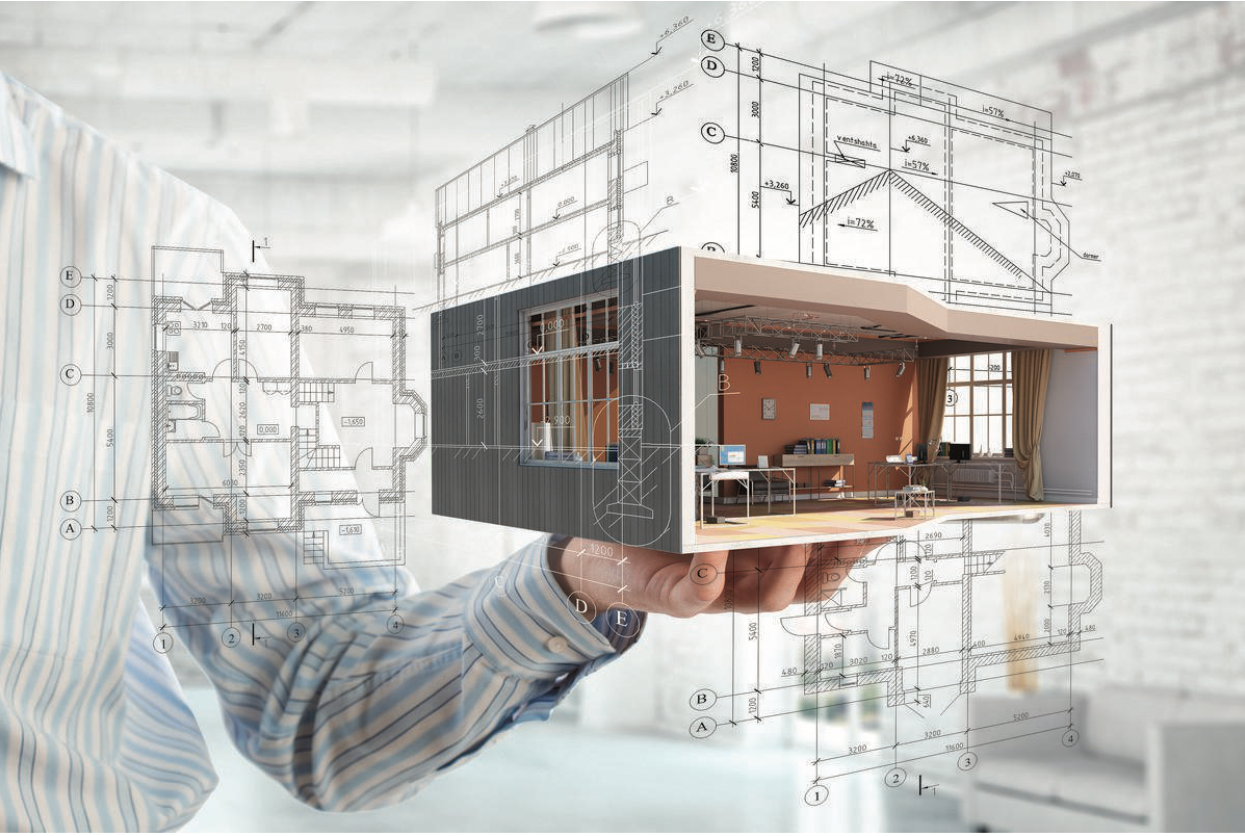
Another step to be taken after the project has been approved is to transform ideas into detailed plans. This is where architects, engineers, and designers will work together to come up with drawings and specifications.
Conceptual design: Preliminary drawings that determine how the structure should look and the layout.
Schematic design: More refined drawings with initial materials and dimensions.
Design development: This involves the inclusion of structural, mechanical, and electrical systems.
Construction records: Finalized comprehensive blueprints to use in taking up permits and construction specifications.
During this stage, building permits will be obtained, and all designs must be in line with local building codes and zoning regulations. An activity and a budget plan for construction are also developed to lead the following activities.
3. Pre-Construction Phase
All preparations are carried out before the construction starts to make sure that the site and crew are prepared. This phase includes:
Evaluation and soil testing of the ground.
Choosing the construction team, which consists of the project manager, the general contractor, and the subcontractors.
Risk assessment and logistics planning, and safety plans are in place.
Organization and coordination of the workforce, material, and machinery.
At this stage, the owner and the construction team must communicate with each other. This is meant to foresee the obstacles ahead and limit the possible delays as soon as the construction commences.
4. Procurement Phase
The procurement stage will involve the acquisition of all materials, equipment, and labour needed to finish the project.
Bids and contracts are used in hiring contractors and suppliers.
Orders and deliveries of materials and equipment are done as per the project schedule.
Subcontractors are given certain works, like plumbing, electricity, and carpentry.
The Role of Commercial Takeoff in the Procurement Phase
For large-scale developments, commercial takeoff provides accurate material quantity lists, preventing over-ordering or shortages. This ensures financial efficiency and smooth coordination between suppliers and construction teams. A reliable takeoff system minimizes waste, delays, and cost overruns.
5. Construction Phase
This is the most manifest and the most decisive phase- actual building is carried out.
The site preparation covers foundation, grading, and excavation.
Next is structural framing, roofing, and exterior finishes.
There is the installation of interior systems, including plumbing, HVAC, electrical, and insulation.
The last phase is completed with flooring, painting, and fixtures.
Project managers observe quality, safety, and progress during the construction. Regular checks are done to ensure that building codes and design specifications are abided by. Communication between all the teams, including contractors, engineers, and owners, should be clear in order to avoid delays and the quality.
6. Post-Construction Phase
After the physical building is done, the project will be in the last stage.
A last check is conducted to ascertain the safety and code regulations of the structure.
The construction crew conducts quality surveys and clears up a punch-list (minor repairs).
The owner is provided with operation and maintenance manuals.
Reporting final and warranty documents and payment reconciliation are a part of the project closeout.
The Role of Residential Takeoff in the Post-Construction Phase
For smaller housing developments or custom home projects, residential takeoff services allow builders and contractors to compare actual material usage with the original estimates, helping with accurate cost reconciliation, performance evaluation, and more precise planning for future projects.
The post-construction phase ensures every element is functional, documented, and ready for occupancy. It’s also when final payments and contractor evaluations are completed.
Conclusion
A construction project is a complicated cooperation and needs organization, cooperation, and accuracy. These six phases can be used to ensure structure, accountability, and quality are upheld throughout the conception to completion of a project. Regardless of the size of the work, be it a small residential or a large commercial development, knowledge of these stages can help see that all factors, including design up to the completion of the work, are addressed efficiently and professionally.
Properly carried out, these phases not only ensure that the structure is durable and well-built, but also save time, save on cost, and ensure safety and long-term sustainability.
FAQs
How long does a typical construction project take?
The project schedule will depend on the size and complexity of the project. A small residential house can be completed within a period of 6-12 months, whereas a big business can be completed within 1-3 years.
What are the most common delays in construction projects?
The weather, permit issues, material/material shortages, design changes, or coordination between the contractor and suppliers are the causes of delays.
How can construction costs be reduced without affecting quality?
The cost control can be obtained by planning the work, selection of cost-effective materials, prevention of alterations in the design in the middle of the work, and recruitment of skilled contractors.
Why is the post-construction phase important?
The post-construction stage would take care of all systems being operational, legal papers being filed, and the project being fit to be occupied safely. It also offers maintenance advice and warranties to the owners.