How Paint Color Affects Mood: Psychology-Inspired Tips for Your Next Interior Painting Project
Introduction
The walls around you do more than frame your space—they shape how you feel within it. Whether you're designing a cozy bedroom, energizing a workspace, or refreshing your kitchen, the paint colors you choose have a direct impact on mood, energy levels, and emotional well-being.
This isn't just an artistic choice. Color psychology—how hues influence human behavior—has become a powerful design tool in modern home improvement. From calming blues to cheerful yellows, each color triggers a unique psychological response that can either elevate or disrupt the vibe of a room.
Interior painting is more than an upgrade—it's an opportunity to craft a space that supports your lifestyle, personality, and even your mental clarity. In this article, we’ll explore how different colors affect mood and how to apply this insight when planning your next paint project.
The Science Behind Color and Emotion
Colors interact with the human brain in surprising ways. According to color theory, the visual experience of color activates different emotional and physiological responses. Warm colors like red, orange, and yellow can stimulate excitement and warmth, while cool colors like blue and green promote calmness and reflection.
Even subtle shifts in hue, brightness, or saturation can change how a room feels. For example, a soft lavender may feel relaxing and gentle, while a deep purple might come off as dramatic or luxurious. These effects aren’t random—they’re rooted in how we’re hardwired to respond to visual cues in our environment.
That’s why interior painting decisions should go beyond trends or personal preferences. When you understand how color influences mood, you can align your palette with the purpose of each space.
Best Mood-Boosting Colors by Room
Each room in your home serves a different function. That’s why one color doesn’t fit all. The right shade depends on how you want the space to feel and what kind of activities happen there.
Living Room: Warm and Welcoming
The living room is often the heart of the home—a space for socializing, relaxing, and hosting. To encourage warmth and openness, consider colors like soft beige, warm taupe, or muted terracotta. These shades promote conversation and comfort without overwhelming the senses.
If you want a more energetic atmosphere, subtle oranges or dusty pinks can add life without becoming overpowering. Neutrals with a warm undertone are especially effective in spaces with natural light.
Kitchen: Energizing and Inviting
Kitchens are hubs of activity and creativity. For this reason, brighter colors like soft yellow, warm white, or even sage green are great choices. Yellow, in particular, is associated with optimism and energy—perfect for morning routines or family meals.
Avoid dark colors in small kitchens unless you balance them with lighter countertops or open shelving. A strategic interior painting plan can help keep the space feeling open and lively, even with limited square footage.
Bedroom: Calm and Restful
When painting a bedroom, the goal is to create a space that promotes rest and relaxation. Cool tones like pale blue, muted green, and soft lavender are ideal for this. These shades are associated with calmness and serenity, helping reduce anxiety and improve sleep quality.
If you prefer a cozy, cocoon-like atmosphere, consider deeper tones like charcoal or navy. Just be sure to balance them with lighter furnishings to prevent the room from feeling too enclosed.
Home Office: Focused and Productive
Work-from-home spaces demand a balance of calm and alertness. Shades like light gray, sage green, or pale blue help maintain concentration while reducing stress. These tones are neutral enough not to distract but still provide visual interest.
Avoid intense colors like red, which can increase heart rate and lead to restlessness during long work sessions. Interior painting in a home office should support both productivity and a sense of mental clarity.
How Lighting Affects Color Perception
Before you commit to a color, consider the lighting in your space. Natural daylight, warm incandescent bulbs, and cool LED lighting all affect how a paint color appears on the wall.
North-facing rooms tend to be cooler, so warm colors can help balance the space.
South-facing rooms receive warm light, which enhances yellows, reds, and oranges.
East-facing rooms have bright morning light but can feel cooler in the evening.
West-facing rooms get warmer light in the afternoon, which can intensify color tones.
Sampling paint on the actual wall and viewing it at different times of day can help you avoid surprises. An experienced painting contractor like Grandview Painting can also provide recommendations based on your lighting conditions.
The Role of Accent Walls and Contrast
If you’re hesitant to commit to a full room in a bold shade, accent walls offer a compromise. Painting one wall in a contrasting color can add visual interest without overwhelming the space. This approach works especially well in dining rooms, offices, or smaller living areas where dimension is important.
For example:
A deep green accent wall in a neutral-toned bedroom adds sophistication
A vibrant coral wall in a white kitchen brings energy and personality
A charcoal feature wall in a pale gray office provides visual depth
Accent walls can be used to highlight architectural features or create focal points in open-concept spaces. When used correctly, they contribute to the mood without requiring a full-room color commitment.
Choosing the Right Finish for the Right Feel
In addition to color, paint finish affects both appearance and atmosphere. The finish determines how light interacts with the wall, which subtly influences mood and style.
Flat or matte finishes absorb light and create a soft, elegant feel—great for bedrooms and ceilings
Eggshell is slightly more reflective and works well in living rooms or hallways
Satin offers durability with a soft glow, perfect for kitchens and bathrooms
Semi-gloss and gloss reflect the most light, ideal for trim or areas that need frequent cleaning
Pairing the right color with the right finish creates a well-rounded mood-enhancing environment.
Tips for Finalizing Your Color Palette
Color selection can be overwhelming, especially when multiple rooms are involved. Here are a few helpful tips to guide your interior painting decisions:
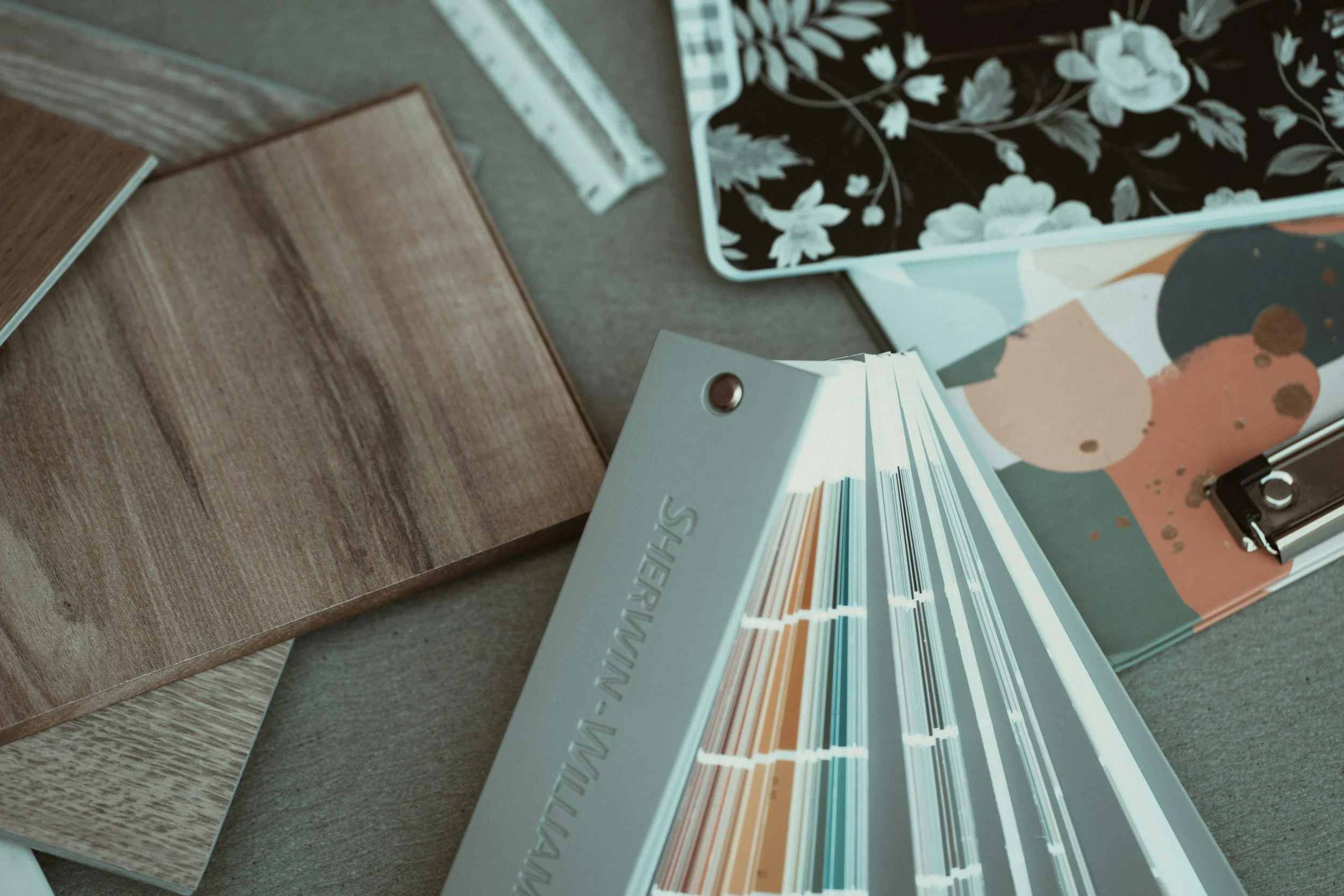
Use color swatches or sample jars on multiple walls before committing
Build a cohesive palette that transitions smoothly between rooms
Consider your existing furniture, flooring, and décor
Don’t chase trends—choose colors that make you feel good long-term
Working with professional painters in Dubuque can also streamline the process, ensuring that your chosen palette aligns with both your aesthetic goals and the emotional tone you want to set.
Conclusion
Interior painting offers more than a fresh coat—it’s a chance to shape the emotional experience of your home. From soothing bedrooms to energizing kitchens, the psychology of color plays a quiet but powerful role in how we feel every day.
By understanding the link between color and mood, you can make informed choices that transform your home into a more thoughtful, livable, and emotionally resonant space.
Grandview Painting encourages homeowners to view color not just as design—but as an intentional expression of how they want to live and feel in their space.