How to Choose the Right Shade for Every Room: A Guide to Light, Style, and Privacy
Selecting the perfect window treatments for each room of a home is more than a visual decision—it’s a matter of functionality, atmosphere, and personal routine. Every room has its own lighting needs, privacy expectations, and stylistic tone. The key is matching the form of the treatment with the room’s function.
With options ranging from plantation shutters to motorized shades, and from woven wood to Roman shades, the variety of available solutions can seem overwhelming. But a thoughtful approach simplifies the process and ensures that each space not only looks great but also serves the homeowner’s lifestyle effectively.
Here’s a room-by-room guide to choosing the ideal window treatments by balancing purpose, aesthetics, and performance.
The Living Room: Flexibility Is Key
The living room is often a central gathering place, hosting everything from morning coffee to evening entertaining. Light control and visual harmony are essential here. This space typically benefits from window treatments that offer layered control—where natural light can flow during the day and privacy can be achieved after dark.
Blinds and shades that tilt or retract, like Roman shades or vertical blinds, are great for this setting. For a textured look that adds warmth, woven wood shades bring a natural element into the mix, softening harsh light while adding depth to the room's design.
In larger or open-concept living spaces, motorized shades offer the convenience of adjusting lighting levels with the touch of a button. This can be particularly helpful for managing glare on televisions or computer screens during different times of the day.
Bedrooms: Privacy Meets Comfort
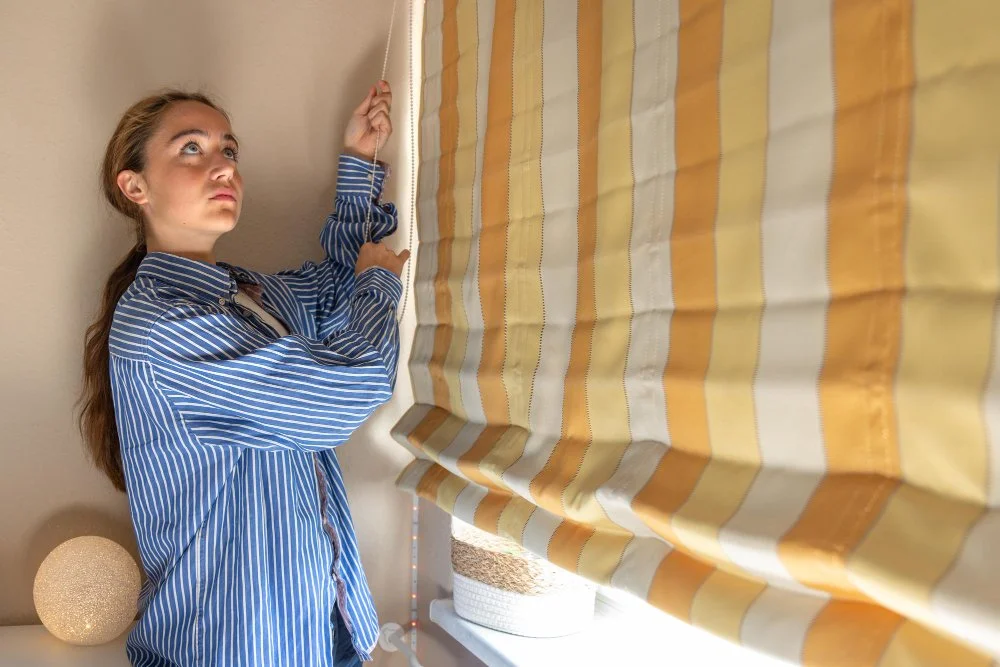
In bedrooms, the emphasis shifts to privacy, light blocking, and a calming atmosphere. Light-filtering shades or blackout options are highly desirable to control sleep quality. Roman shades provide a clean, elegant silhouette and are available in materials that can darken the room while still maintaining aesthetic appeal.
Plantation shutters also work exceptionally well in bedrooms. Their sturdy design allows full light blockage when closed but can also be tilted to allow filtered light without compromising privacy.
To add softness, some homeowners layer blinds or shutters with floor-length curtains. This not only improves light control but also offers insulation—especially useful in rooms exposed to high sun or colder temperatures.
Kitchens: Durability and Light
The kitchen is a space of high activity and occasional humidity, so durability and easy maintenance become priorities. Window treatments here should be able to handle moisture and splashes while still allowing plenty of daylight to enter.
Faux wood blinds are a classic choice for kitchens. They mimic the appearance of real wood but resist moisture damage. Woven wood shades can also be a stylish addition if positioned away from direct sink or stove areas.
For homes with a modern aesthetic, streamlined roller or motorized shades keep the design uncluttered while offering ease of operation. Look for materials that are wipeable or stain-resistant to ensure long-term satisfaction.
Bathrooms: Moisture-Resistant and Private
Bathrooms present a unique challenge. Privacy is paramount, but so is resistance to moisture and mildew. Window treatments in these rooms must stand up to humidity while still contributing to the overall design.
Plantation shutters made from composite materials are an ideal solution, offering water resistance and a tailored appearance. They also allow for fine-tuned privacy control, which is particularly valuable for windows facing neighboring properties.
Simple vinyl or aluminum blinds also do well in these spaces, especially for smaller bathrooms or powder rooms. Avoid fabric-based shades in full baths unless they are specifically treated to resist moisture.
Home Offices: Reducing Glare and Enhancing Focus
As more people work remotely, the home office has become a staple. The main concern in these spaces is often screen glare and managing shifting light throughout the day.
Blinds with tilt functionality allow for fine-tuned light adjustments, keeping screens readable while still allowing ambient light to flow in. Roman shades can soften the appearance of the space while also offering insulation to keep temperatures consistent during long workdays.
Motorized shades offer a high-tech edge for those who want hands-free adjustments. They are especially useful for rooms with multiple windows, making it easy to adapt light levels quickly for video calls or deep focus work.
Dining Rooms: Balance of Elegance and Practicality
The dining room serves both everyday meals and special gatherings, so the window treatments should strike a balance between sophistication and practicality.
Roman shades add tailored refinement, while woven wood shades bring organic character that feels inviting. For a more traditional or upscale ambiance, layered treatments like sheer curtains over blinds provide a sense of depth and allow homeowners to adapt the setting based on the occasion.
Lighting here is about mood. Look for light-filtering shades that diffuse sunlight in a flattering way, especially for spaces that get strong afternoon sun.
Specialty Windows and Unique Spaces
Not all windows are created equal. Skylights, arched windows, and bay windows may require specialized solutions.
Motorized shades are an excellent choice for hard-to-reach windows. For decorative windows where full coverage isn’t required, plantation shutters or shaped Roman shades can preserve architectural beauty while still offering practical function.
In transitional spaces like entryways or hallways, minimal treatments often suffice. Simple roller shades or slim blinds maintain clean lines without drawing too much attention.
Putting It All Together
With so many choices, homeowners benefit from thinking holistically. Start by identifying each room’s needs—privacy, lighting, maintenance, and ambiance—then match those requirements with appropriate materials and styles.
Here’s a quick breakdown by priority:
| Room | Top Priorities | Ideal Treatments |
|---|---|---|
| Living Room | Light control, style | Woven wood shades, motorized shades, blinds |
| Bedroom | Privacy, darkness, insulation | Roman shades, plantation shutters |
| Kitchen | Durability, light, cleanability | Faux wood blinds, roller shades |
| Bathroom | Moisture resistance, privacy | Composite shutters, vinyl blinds |
| Office | Glare reduction, functionality | Blinds, motorized shades |
| Dining Room | Mood lighting, elegance | Roman shades, layered treatments |
Companies like Shutters & Shades help homeowners navigate these decisions with a wide range of customizable options, ensuring that each room feels as good as it looks.
Final Thoughts
Choosing the right window treatments is about more than picking a color or fabric. It’s about enhancing how each space functions and feels on a daily basis. Whether selecting shades that invite morning light or shutters that shut out the chaos, thoughtful choices add comfort and personality to a home.
With the right approach—and the right tools—it’s easy to design a space that works as beautifully as it looks.
More Home Improvement Articles