Living in Layers: The Psychology of Remodeling and What It Reveals About Homeowners
Home is more than walls and windows—it’s a personal reflection of our values, experiences, and desires. The process of remodeling and renovations is often framed in terms of budgets, blueprints, and logistics, but underneath all of that lies a deeper story: why we feel compelled to change our spaces, and what those changes reveal about us.
Every decision in home improvement, from selecting paint colors to knocking down walls, has an emotional subtext. Remodeling is a form of self-expression and a tool for problem-solving, often guided by subtle psychological motivations that influence how we see and use our living environments.
The Desire for Control and Comfort
One of the core drivers behind remodeling is the human need for control. Our homes are among the few spaces we can shape entirely to our liking. Whether we're changing out old cabinets or redesigning a bathroom, we’re reclaiming authority over our surroundings. This is especially important during times of external stress—renovating becomes a way to restore a sense of order and stability.
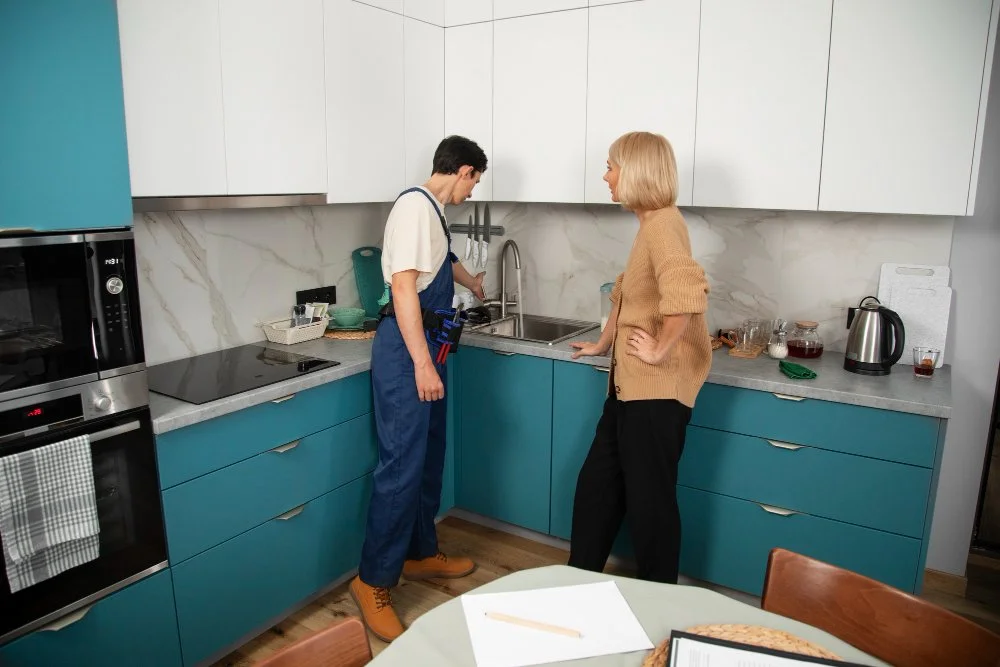
Comfort plays a strong supporting role. Physical comfort (more efficient layouts, softer lighting, better insulation) and emotional comfort (nostalgia, warmth, security) go hand in hand. A homeowner who opts for kitchen remodeling might not just want updated appliances—they may be chasing the memory of family dinners or the dream of more connected evenings with loved ones.
Identity and Aspirational Design
Home improvement projects also act as markers of identity. We invest in design choices that reflect who we are—or who we want to be. A minimalist homeowner may prioritize sleek cabinet installation and hidden storage, while another might prefer ornate finishes and bold colors that mirror a love of classic design.
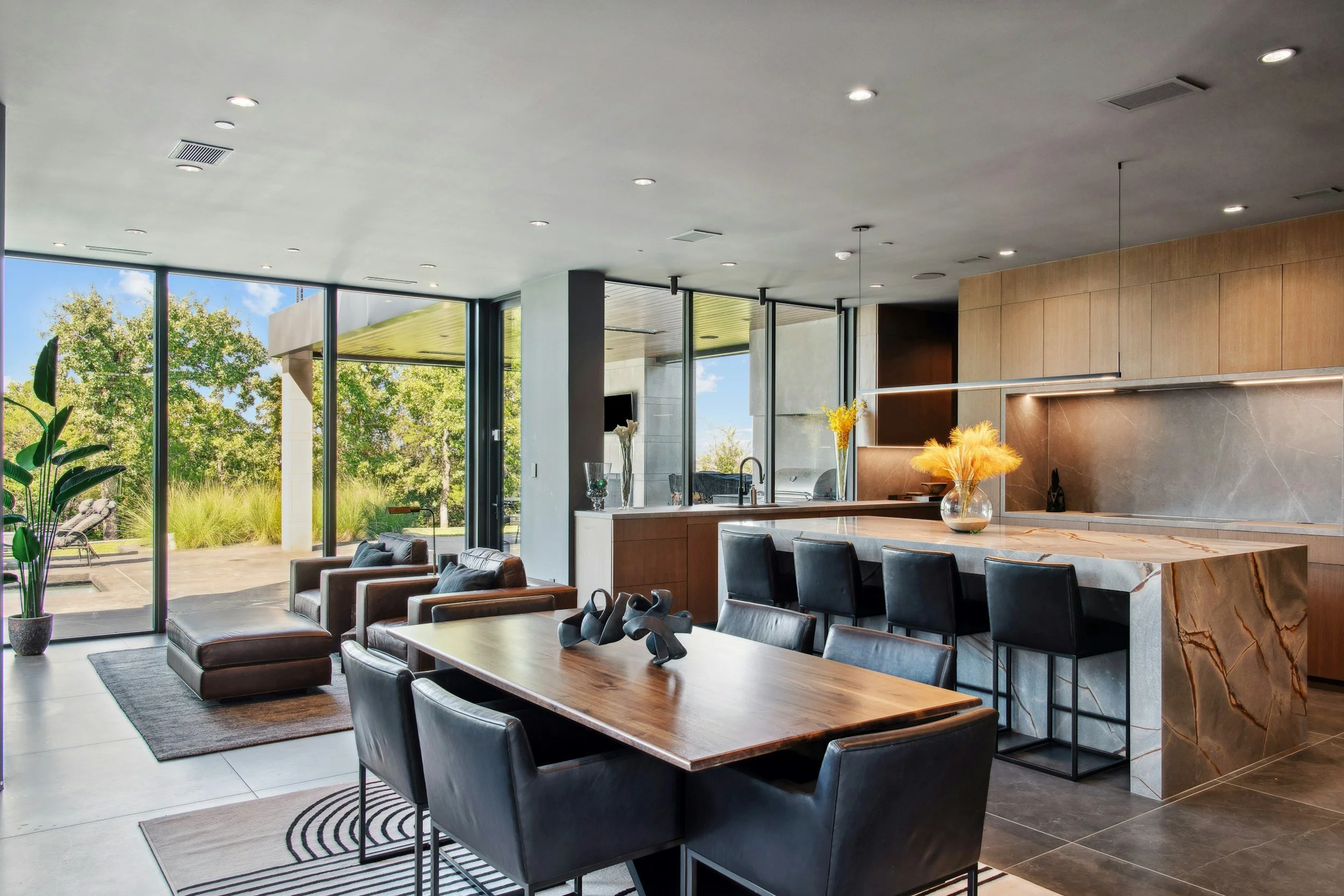
This kind of aspirational design is particularly visible in public-facing areas like living rooms and kitchens. These are the spaces guests see, and by extension, they become an extension of the homeowner’s personality. Through remodeling, we curate how others perceive us, aligning our physical spaces with our inner self-concepts.
The Subtle Influence of Life Transitions
Renovations often coincide with major life events. A growing family might need more bedrooms. An empty nester may want to convert a spare room into a hobby space. These transitions act as catalysts, prompting people to adapt their homes to fit their evolving lives.
Even seemingly small updates can carry deep emotional weight. Replacing outdated fixtures or reconfiguring a layout may feel like clearing the past and making room for a fresh chapter. Remodeling and renovations serve as both a practical and symbolic bridge between where we’ve been and where we’re going.
Sensory Impact and Mood Shaping
Our surroundings have a measurable effect on mood, behavior, and well-being. Light, color, texture, and spatial arrangement all interact with our senses. A well-lit room can lift our energy levels, while an overly cluttered space may induce stress or fatigue. Remodeling gives homeowners the power to optimize their environment for emotional and cognitive benefit.
Color psychology is one frequently explored element. Cool tones like blue and green tend to calm and soothe, making them ideal for bedrooms or bathrooms. Warmer tones can energize and stimulate conversation, often making their way into dining areas and kitchens. Thoughtful home improvement strategies don’t just change what a room looks like—they change how it feels.
Habitual Use and Daily Flow
Another psychological element is how a space supports (or hinders) routine. An inefficient kitchen layout might result in frustration during meal prep. A poorly lit hallway could create anxiety during nightly routines. Remodeling services in Pinellas County allows people to enhance their quality of life by reshaping how their home aligns with their everyday habits.
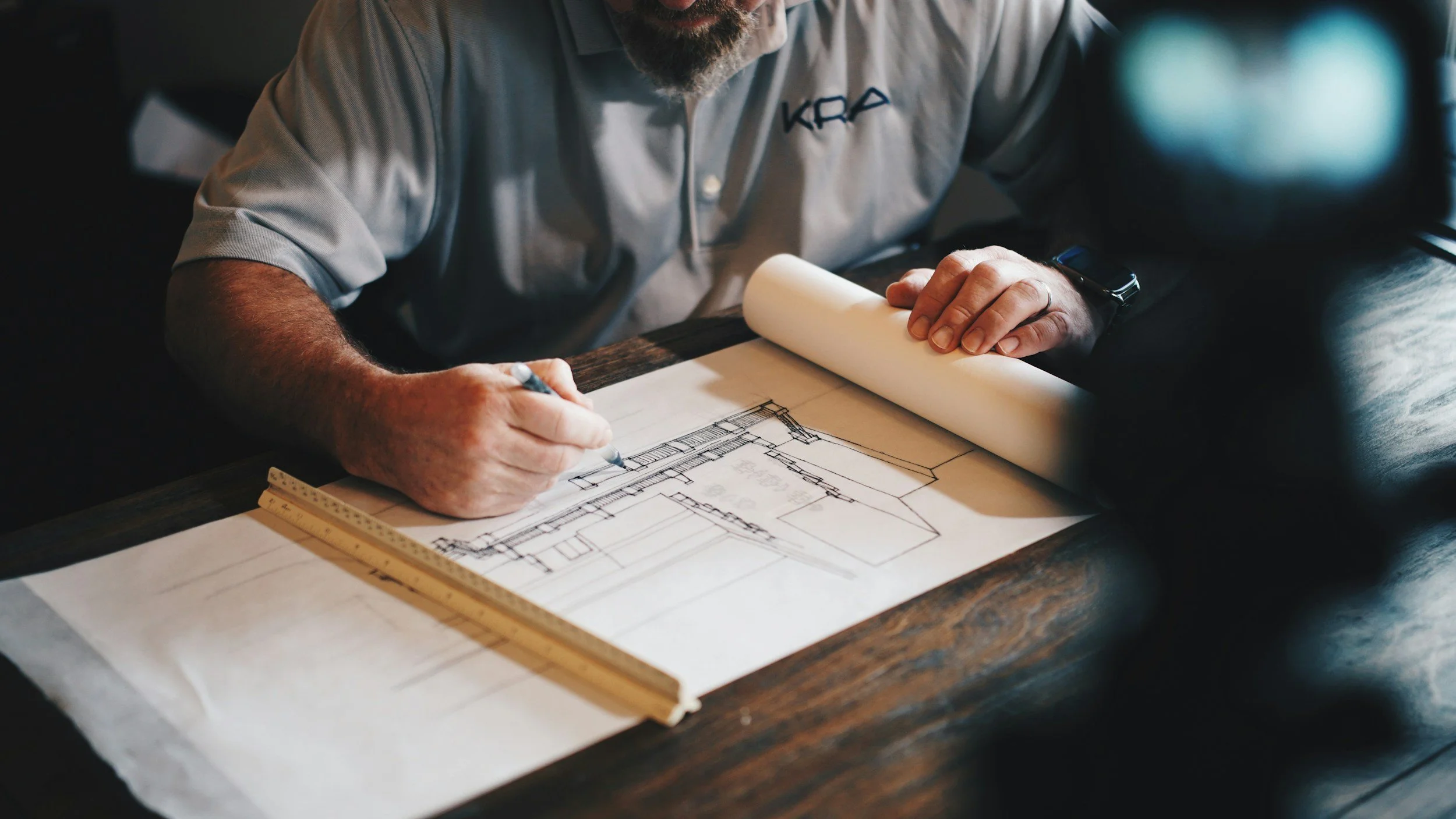
For example, 3D designs are now frequently used in pre-renovation planning. They help visualize movement and flow before construction begins, reducing the gap between imagined and actual use. The goal is not just visual appeal, but optimizing the practical functionality that underpins daily satisfaction.
Minimalism, Clarity, and Emotional Load
There’s a reason decluttering has become such a cultural movement. Clutter often equates to mental noise. Homeowners who engage in remodeling often do so with the intent to simplify—not only to remove excess objects, but to create emotional clarity. Built-in storage, multi-purpose furniture, and cleaner lines all support a more peaceful, organized lifestyle.
This type of home improvement is deeply psychological. It’s about unburdening ourselves from things that no longer serve us and making space for what does. In many ways, cabinet installation or a kitchen redesign is as much about mental well-being as it is about visual aesthetics.
The Hidden Drive for Resale Value
Even when homeowners don’t plan to sell, the idea of adding future value influences decisions. It’s comforting to know that a remodeling project is not only enjoyable but potentially profitable. This financial consideration becomes a form of psychological reassurance—proof that our choices are both satisfying and smart.
This mindset also encourages more strategic decisions. Homeowners prioritize universally appealing upgrades, such as neutral color schemes, updated kitchen layouts, or energy-efficient windows. Even if they never list the property, they’re guided by the idea that their home should remain “market-ready.”
Reinvention as Empowerment
One of the most overlooked but important psychological aspects of home improvement is empowerment. Remodeling offers a tangible way to transform dissatisfaction into action. It replaces inertia with momentum and offers a sense of agency over one’s environment.
For some, it’s a personal mission to reclaim a neglected home. For others, it’s about finally realizing a dream after years of planning. Either way, the process is affirming. When individuals change their home, they often discover that they’ve changed, too.
A Personal Reflection of Priorities
Ultimately, every home improvement decision is a mirror. It reveals what we value, what we desire, and how we want to feel in our space. It may begin with practical goals—more storage, better lighting—but it often ends with personal transformation.
Even companies like PMB Property Improvements understand that beneath every project is a story. They work with homeowners not just to build better homes, but to bring clarity to the decisions that shape them.
More Home Improvement Articles