Signs Your Home Has a Hidden Plumbing Leak (And What You Can Do About It)
Not all plumbing issues come with obvious signs like dripping faucets, gushing water, or clogged drains. In many homes, some of the most damaging leaks are the ones you can’t see — hiding behind walls, under floors, or in ceilings. These hidden plumbing leaks can quietly waste hundreds of gallons of water, damage your home’s structure, invite mold, and increase your monthly utility bills before you even notice something is wrong.
If not addressed promptly, a hidden plumbing leak can result in extensive — and expensive — property damage. Beyond structural issues, lingering moisture creates the perfect environment for mold and mildew, which can negatively impact your indoor air quality and your family’s health.
Recognizing the early warning signs is key to preventing a minor leak from turning into a major problem. Below are eight telltale signs that your home may have a hidden plumbing leak — and how professional plumbing repair can help you resolve it efficiently and safely.
1. Unexplained Increase in Water Bills
One of the first red flags of a hidden leak is a sudden rise in your water bill without any change in usage habits. If you haven't filled a pool, watered the lawn excessively, or had guests staying over, your bill shouldn't spike unexpectedly.
Even a tiny pinhole leak in a pipe can waste hundreds of gallons of water per month, leading to significant increases in your utility costs. If your water bill keeps climbing and you can’t find a reason, it's time to dig deeper.
2. Mold or Mildew Smell That Won’t Go Away
A damp, musty odor that lingers even after cleaning could indicate a hidden moisture source, often caused by a leaking pipe behind the wall or under the floor. Mold and mildew thrive in warm, dark, and moist environments — exactly the conditions created by plumbing leaks.
If the smell is strongest in specific rooms (especially bathrooms, laundry rooms, or basements), there’s a good chance there’s a leak nearby, even if you can't see visible mold growth.
3. Stains, Discoloration, or Bubbling on Walls and Ceilings
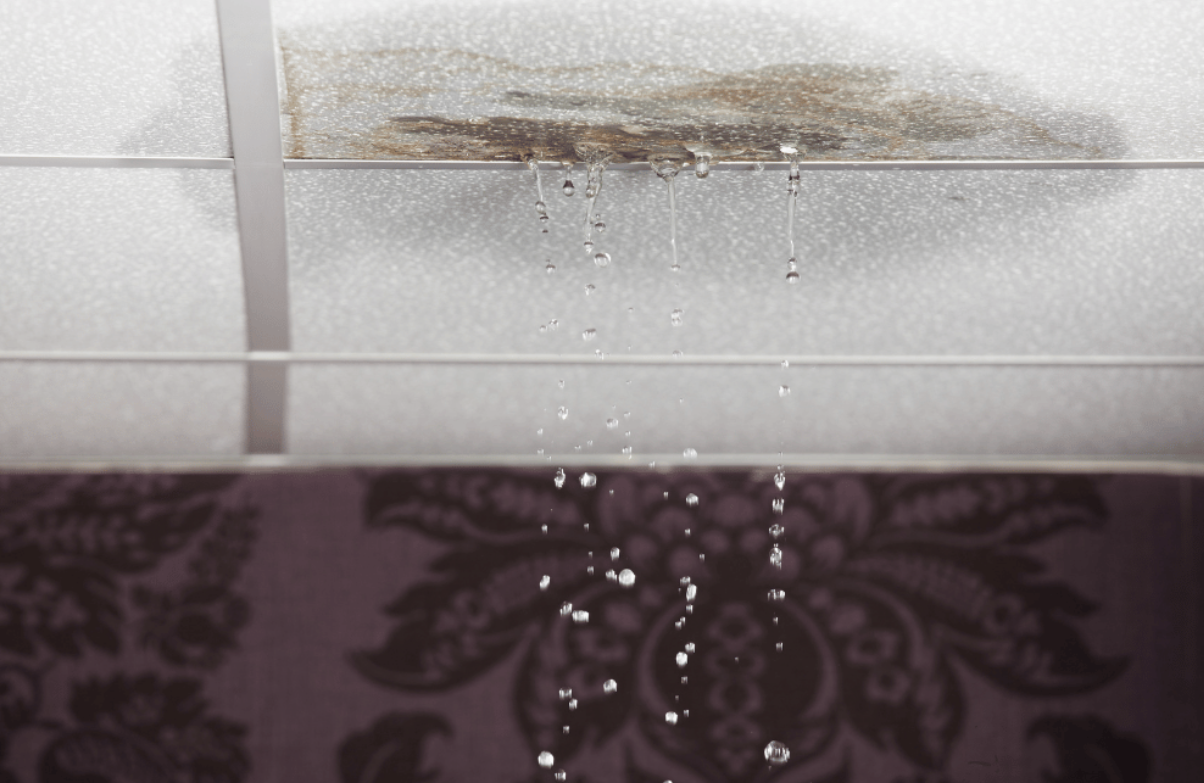
Hidden leaks often show themselves through water stains, which may look like brown or yellow patches on your walls or ceilings. Over time, water can also cause paint blistering, bubble, or peeling, especially in humid areas of the home.
This type of damage suggests that water is pooling or seeping in an area behind the surface — a sure sign of a leak needing immediate attention.
4. Warped Flooring or Soft Spots
Have you noticed warping, cupping, or soft spots on your hardwood, laminate, or tile floors? Water leaks from pipes under the floor or behind baseboards can cause materials to swell, crack, or loosen. In severe cases, you may also feel that the floor has a slight “give” when you step on certain areas.
This can be especially dangerous in homes with slab foundations, where leaking pipes are harder to access and can go unnoticed for weeks or months.
5. Consistently Damp or Wet Spots
If you find spots in your home that always feel wet or damp — on carpets, near walls, under sinks, or in basements — even when there hasn’t been a spill, it could mean water is leaking nearby. These spots can eventually lead to mold growth or wood rot.
Keep an eye out for white, chalky residue around water lines, which could be dried mineral deposits left behind by leaking water.
6. Drop in Water Pressure
A slow or uneven water flow in faucets, showers, or appliances could indicate a leak somewhere in the plumbing system. If you notice that one fixture has significantly lower water pressure than others, the leak may be localized. If the entire house is affected, the issue could stem from the main water line or a serious blockage.
7. Running Water Sounds (When Everything is Off)
One of the most overlooked signs of a hidden leak is the sound of running or dripping water when no fixtures are in use. You might hear it in the walls, floorboards, or ceiling — a quiet trickle that won’t go away.
If your home is otherwise quiet and you still hear what sounds like water moving through pipes, it’s a good idea to investigate.
8. Water Meter Still Running
Here’s a quick test:
Turn off all water-using appliances in your home, including faucets, dishwashers, and washing machines. Then, check your water meter. If it’s still spinning, even slightly, this strongly suggests you have a leak.
This is one of the most reliable ways to confirm a hidden plumbing problem.
What to Do If You Suspect a Leak
If one or more of these signs sound familiar, don’t wait. Hidden leaks can cause structural damage, increase the risk of mold exposure, and lower the resale value of your home.
Here’s what you should do:
Document what you see – Take photos of water damage, stains, or wet spots. This is especially helpful if you plan to file a homeowner’s insurance claim.
Call a professional plumber – Licensed plumbers have specialized tools like moisture meters, thermal imaging cameras, and acoustic leak detectors to pinpoint leaks without tearing your home apart.
Fix the leak promptly – Don’t delay repairs. A small leak today can become a major (and expensive) issue tomorrow.
Inspect regularly – Get annual plumbing inspections to catch issues before they become disasters, especially in older homes.
Final Thoughts
Your home might be trying to tell you something — but hidden plumbing leaks don’t always shout. They whisper. They show up in water stains, warped floors, rising bills, and faint smells. And if you ignore them, they’ll cost you more than just money.
If you notice any of the signs above, trust your instincts and take action. Your home (and your wallet) will thank you later.