Wired for Safety: How High-Speed Cabling and Smart Surveillance Create the Backbone of Modern Security
In today’s fast-moving business world, the lines between technology, security, and connectivity are quickly disappearing. It’s no longer enough to install a few cameras and call it a day. Whether you’re managing a corporate office, industrial site, school campus, or data-driven enterprise, the foundation of your infrastructure must now combine high-speed performance with advanced surveillance tools. This is not a luxury, it's a necessity.
Smart surveillance and structured cabling have emerged as a powerful duo in delivering both protection and operational efficiency. One ensures real-time visibility and deterrence; the other delivers the bandwidth and stability that these systems rely on. Done right, the integration of these two elements does more than protect your assets; it helps enhance and support your organization's connectivity needs.
The Hidden Power Behind the Lens
Smart surveillance cameras are only as good as the infrastructure supporting them. It’s easy to focus on resolution, remote access, or facial recognition features, but without a solid cabling backbone, those benefits quickly fall apart. That’s where structured cabling comes in.
A properly installed CAT6 or fiber optic system doesn’t just carry data; it ensures that surveillance feeds are crystal clear, don’t lag, and can be accessed securely across your network. Video files are notoriously large, especially in HD or 4K. If your cabling isn’t optimized to handle that kind of data traffic, even the most advanced cameras will stutter and stall.
Structured cabling also allows for Power over Ethernet (PoE), meaning many surveillance devices can be powered and connected through a single cable—often using specialised power cables designed for both data and electrical transmission. This reduces the clutter of wires, simplifies installation, and increases reliability, with no more separate power sources that can fail independently of the network.
Building with Intelligence, Not Just Hardware
True security begins before a single wire is run or a single camera mounted. It starts with understanding the space, the potential threats, and the specific needs of the organization. That’s the philosophy behind modern security planning: every site is unique, and the solutions must be custom-fitted.
One of the key factors in building a smart surveillance system is placement. Cameras need the right vantage points, not just to monitor doors and hallways but to cover blind spots, identify risks, and collect valuable data. Equally important is the route your cables take. Structured cabling must be both hidden and accessible, safe from damage but easy to maintain. That level of precision takes expertise, which is why businesses turn to seasoned professionals who know how to integrate form with function, like the team at ADR Security in NYC.
The Convergence of IT and Physical Security
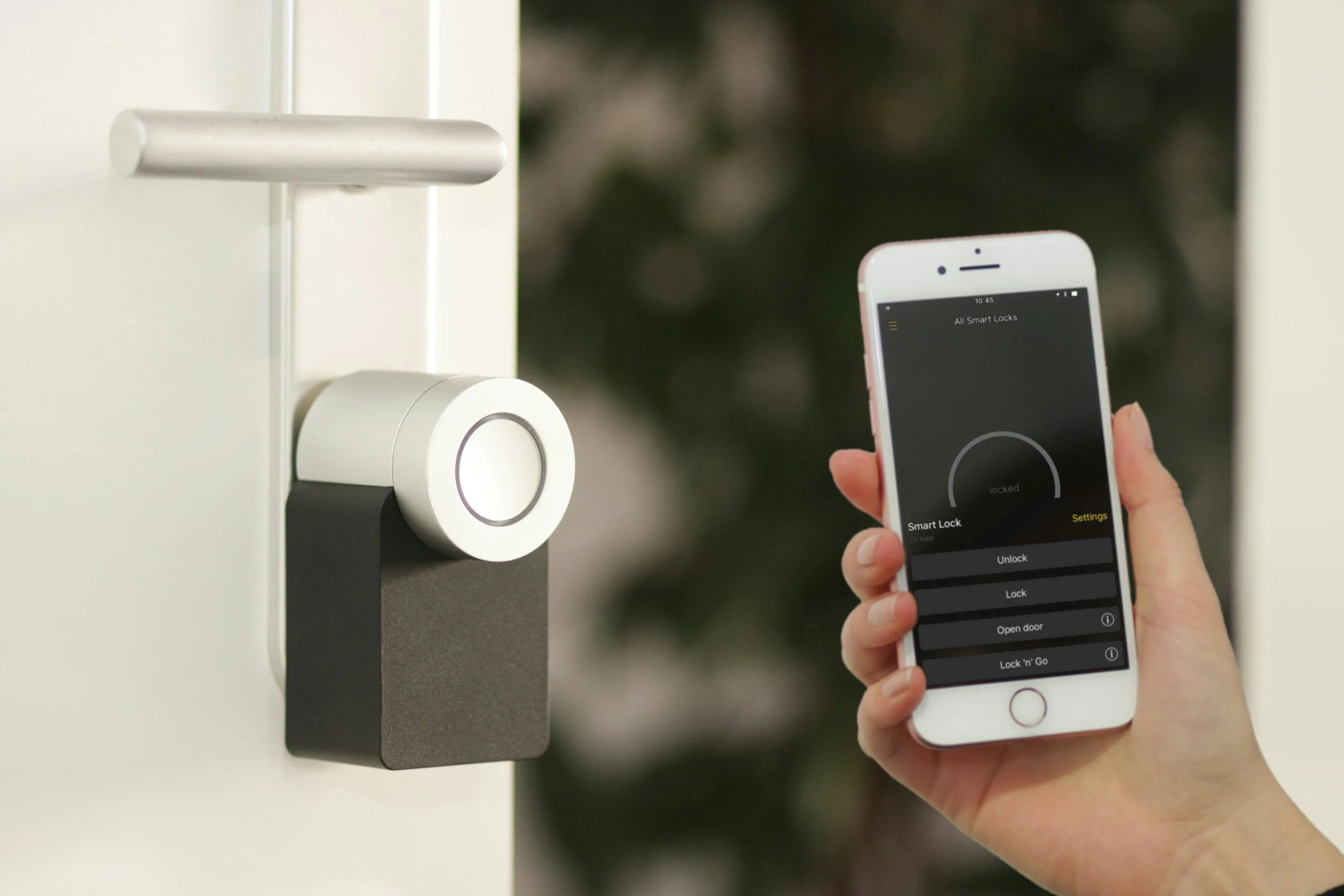
More than ever, physical security is being managed through IT systems. Surveillance feeds are streamed, stored, and analyzed across networks. Entry systems use biometric data. Alerts are triggered by motion sensors and pushed to smartphones. All of this requires stable, high-speed connections between devices, control panels, servers, and user dashboards.
What used to be the job of a security guard has now expanded to include automated threat detection, cloud-based video storage, and remote access management. All of these technologies rely on a strong data infrastructure, fiber-optic cables, secure switches, and well-labeled ports. And while wireless has its place, hardwired connections remain the gold standard for security systems. They’re faster, more secure, and less vulnerable to interference or hacking.
Seamless Integration with Room to Grow
Business environments aren’t static. They grow, shift, and evolve. A company with 20 employees today may need to double its network and surveillance capabilities within a year. That’s why futureproofing is so vital.
A well-designed, structured cabling system anticipates growth. It includes extra drops for new cameras, sufficient bandwidth for future software upgrades, and cable paths that make expanding the network easy, not a nightmare of retrofitting and rerouting. Likewise, smart surveillance systems should be modular and adaptable, allowing for new features like AI-driven analytics or license plate recognition to be added without overhauling the entire system.
The idea isn’t just to install for today, it’s to build for tomorrow.
Why It Matters to Your Bottom Line
It’s tempting to see structured cabling and surveillance systems as cost centers. But when done right, they deliver measurable value. High-speed cabling reduces downtime, boosts productivity, and ensures that your data flows freely. Advanced surveillance reduces theft, enhances safety, and provides critical evidence in the event of a dispute or incident.
Together, they create a system that protects not only your people and property but also your operations. Employees feel safer. Customers trust your business more. Compliance with industry regulations becomes easier. And with centralized control over both data and video, management gains visibility into everything from logistics to liability.
A Safer, Smarter Tomorrow Starts Now
The convergence of high-performance cabling and intelligent surveillance isn’t just a tech trend, it’s the new standard. As the workplace becomes more connected, every piece of hardware must support both speed and security. Structured cabling isn’t simply about organizing wires; it’s about building the nervous system of your entire operation. And smart surveillance isn’t just about catching the bad guys; it’s about preventing problems before they occur.
If your current infrastructure feels outdated, underpowered, or just disjointed, it may be time to reconsider how your network and security systems interact. Look for partners who understand both worlds, who can map out not only where your cables should go, but why your cameras should be placed just so. Because in today’s environment, protection isn’t about one system, it’s about the synergy between them. The future is wired, fast, and watching. Make sure your business is ready.