Can Small-Batch Leather Brands Compete with Mass Manufacturers in 2025?
As global supply chains continue to face disruptions and consumer habits lean toward quality over quantity, small-batch leather brands are finding themselves in an unexpected position of strength. Once considered niche or artisanal outliers, these smaller makers are now emerging as strong contenders in a market previously dominated by high-volume manufacturers.
But the big question remains: can small-batch leather brands truly compete with the speed, scale, and pricing of mass producers in 2025?
A Changing Consumer Mindset
Over the last few years, shoppers have become more discerning. Sustainability, ethical production, and traceable sourcing are no longer bonus features—they’re expectations. Buyers increasingly want to know who made their bag, where the hide came from, and whether it was produced responsibly.
This shift has created a fertile environment for small brands that emphasize craftsmanship, authenticity, and story. In contrast to fast fashion’s race to the bottom, these brands aim to build long-term loyalty through integrity and transparency.
The Power of Agility
Small-batch operations also have a unique advantage: flexibility. While large manufacturers might require months to pivot their designs or supply chain logistics, smaller brands can adapt in days or weeks. This allows them to respond quickly to trends, market shifts, or material availability.
Moreover, limited production runs create a sense of exclusivity. For many customers, owning a hand-numbered wallet or a one-off belt is more valuable than having something widely distributed.
Tools of the Trade: Craft Meets Technology
Competing on quality alone isn’t enough. Efficiency and consistency still matter—especially for growing brands that need to scale without sacrificing their artisanal roots. That’s where modern tools come in.
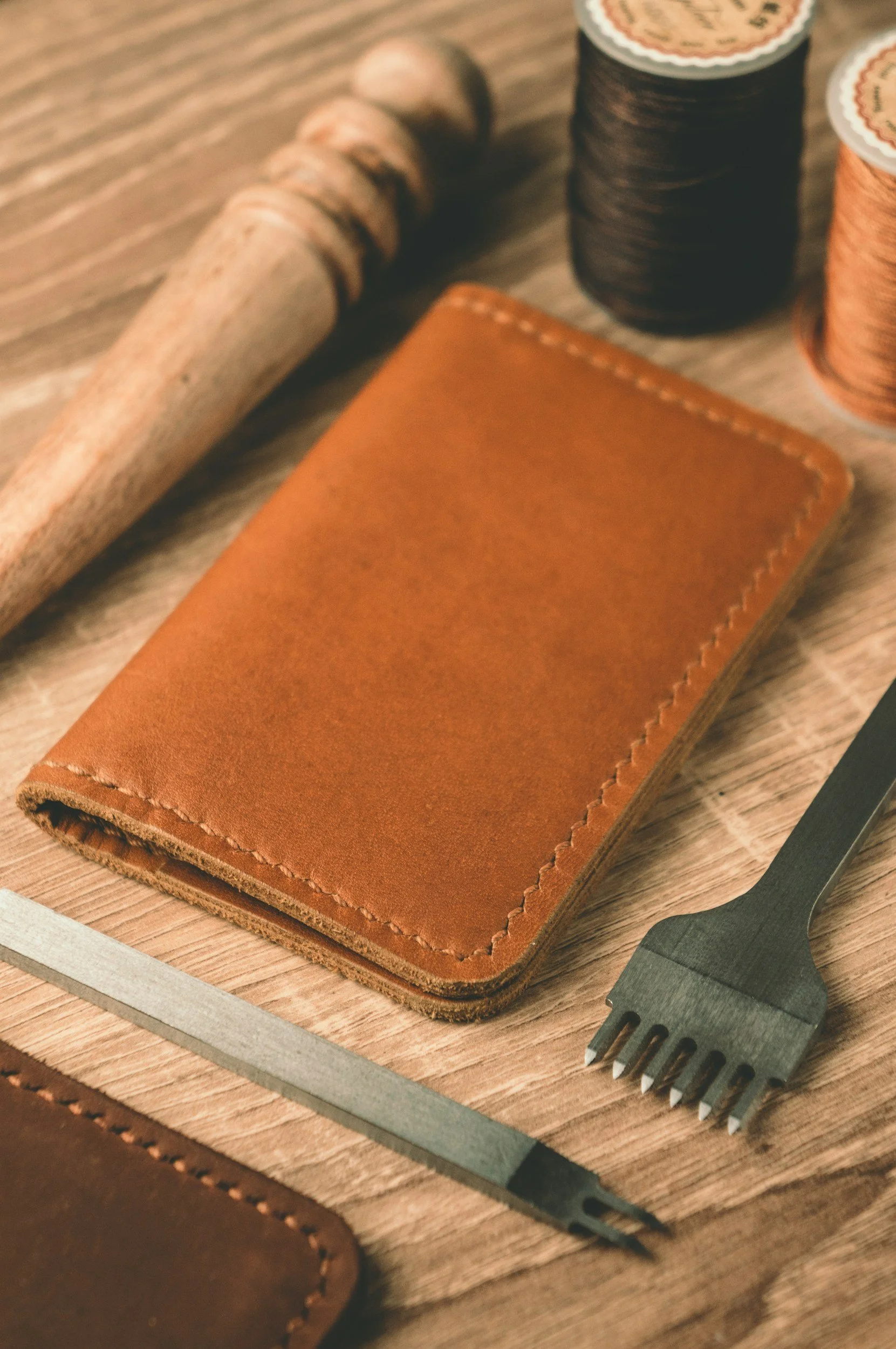
Advanced leather cutting machinery now enables small shops to streamline production while maintaining handmade quality. With computer-aided precision and faster turnaround times, these tools help level the playing field, offering consistency that rivals factory-level output without massive overhead.
This marriage of craft and tech is not about replacing the human touch but enhancing it. Crafters can spend more time on finishing, detailing, and design while machinery handles the time-consuming tasks with surgical accuracy.
Competing on Brand, Not Just Product
For small-batch brands, the biggest differentiator isn’t always the product—it’s the brand itself. Direct-to-consumer models, behind-the-scenes videos, and personalized messaging help build trust and community in ways big brands struggle to replicate.
In 2025, shoppers are supporting brands that align with their identity. A belt isn’t just a belt—it’s a reflection of values, taste, and intentional living. This emotional connection is something small-batch producers are uniquely equipped to deliver.
Final Thoughts
While mass manufacturers may still dominate the lower-cost end of the leather market, small-batch brands are carving out a growing slice of customers who want more than just function. With the right balance of craftsmanship, technology, and authenticity, these makers aren’t just competing—they’re redefining the game.
And in today’s market, slow and steady might just win the race.