
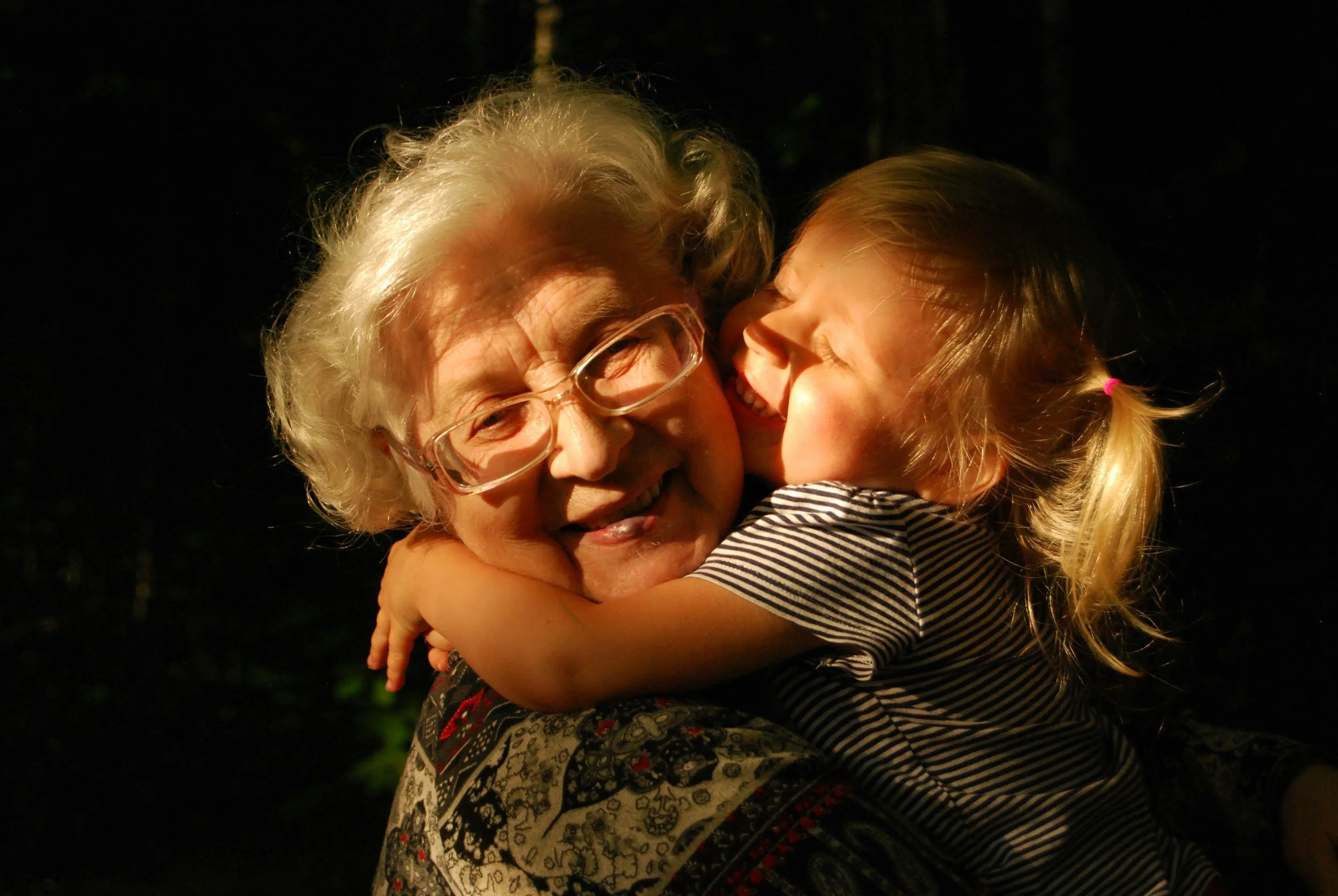
Creating Safe Home Environments for Seniors with Cognitive Declines
Are you worried about keeping a senior safe at home when their memory starts to fade?
Many families face challenges when loved ones begin to struggle with thinking clearly. Creating a safe place helps protect them and brings peace to everyone. Learning how to adjust the home can make daily life easier and reduce risks.
Keep reading to discover ways to build a safer space for seniors with cognitive changes.
Clear Walking Paths
It's easy to trip when the floor has too many things in the way. Seniors with thinking problems may get confused and not see small objects.
That's why keeping floors clear can make a big difference every day. Try to move shoes, cords, or bags out of the way.
Chairs and tables should sit where they won't block anyone's steps. You want the path to feel safe and open. A clear path helps the person walk with more comfort and less stress.
Locked Cabinets
Some things in the home can cause harm if someone uses them the wrong way. Cleaning bottles, sharp tools, or pills should be stored in locked places when not in use.
Seniors with memory trouble may grab the wrong item or mix things up. That's why a locked cabinet helps keep danger out of reach.
You don't need fancy tools - simple locks can work fine. Try to use ones that are easy for you to open when needed. Safety comes first, always.
Simple Lighting
Shadows and dark corners can make someone feel scared or unsure. Seniors who feel confused may not know where they are if the room is too dark.
That's why bright and simple lights can help a lot around the house. It helps to keep the lights steady, without blinking or changing colors.
Try to use lamps or night lights in spots that get dark fast. A well-lit home can feel calm and safe all day and night.
Labeled Items
Words can bring comfort when the mind feels unsure. Labels on drawers, doors, or bins can give helpful clues. A senior might feel lost when trying to find clothes or dishes.
Clear words in big letters can help make choices easier. Try using tape or stickers that stand out and stay put.
You don't need anything fancy, just something easy to read. Simple labels can help cut down on stress during the day. That way, the home feels a little more peaceful.
Quiet Spaces
A quiet space helps calm the mind when things feel too loud or busy. Seniors with thinking problems can get upset when there's too much going on.
Try to keep the noise low by turning off the TV or radio for a while. Gentle sounds or soft music may help them feel more at peace. Lights should stay steady, without flashing or being too bright.
Quiet areas also help during personal care. That includes moments when you need to learn how to bathe dementia patients with care. A calm space makes these times feel easier and less scary for everyone.
All About Safe Home Environments for Seniors
Keeping a senior safe at home takes time and care. When their memory changes, they may forget things or feel confused.
A few changes in the home can help them feel calmer and secure. These changes also give families more peace of mind. With love and attention, the home can stay a safe and comforting place for everyone.
If you found this article useful, be sure to check out some of the other great content on our site before you go.