Essential Bicycle Maintenance Tips That Help Prevent Accidents
Riding a bike offers freedom, exercise, and a great way to get around—whether it’s for commuting, recreation, or fitness. But like any vehicle, bikes require regular maintenance to remain safe on the road. Most bike crashes aren’t due to reckless riding or bad weather but to simple maintenance issues that could have been prevented.
A loose brake, shot-out tire, or bent chain can transform a pleasant ride into a life-or-death hazard. That's why it's essential to maintain your bicycle—not just for performance but for safety.
Here are some key steps that all cyclists can take to try to avoid an accident.
Check Your Brakes Regularly
Your brakes are your first line of defense in avoiding collisions or stopping suddenly in traffic. Therefore, make it a habit to test your brakes before every ride. To do this, squeeze the brake levers to ensure they engage smoothly and fully without sticking.
Also, inspect the brake pads for wear—if they’re worn too thin or unevenly, replace immediately.
If you've been injured in a crash due to faulty equipment or a negligent driver, it's wise to call TopDog Law bicycle accident lawyers for guidance.
These attorneys are well-versed in bike safety laws and can help you pursue compensation for injuries, damaged gear, and more.
Inspect Tire Pressure and Tread
Tires with low or no pressure or tires worn to the limit lose grip on the road and can cause blowouts or skidding — particularly if the road is damp or uneven. Before you leave, get your tire pressure checked with a good gauge, and fill them to the recommended PSI indicated on the tire’s sidewall.
Check the tread for bald spots, cracks or embedded debris, too. Good tire maintenance means better road traction and smoother rides, with less, if any, risk of a sudden flat or handling problems.
Keep the Chain Clean and Lubricated
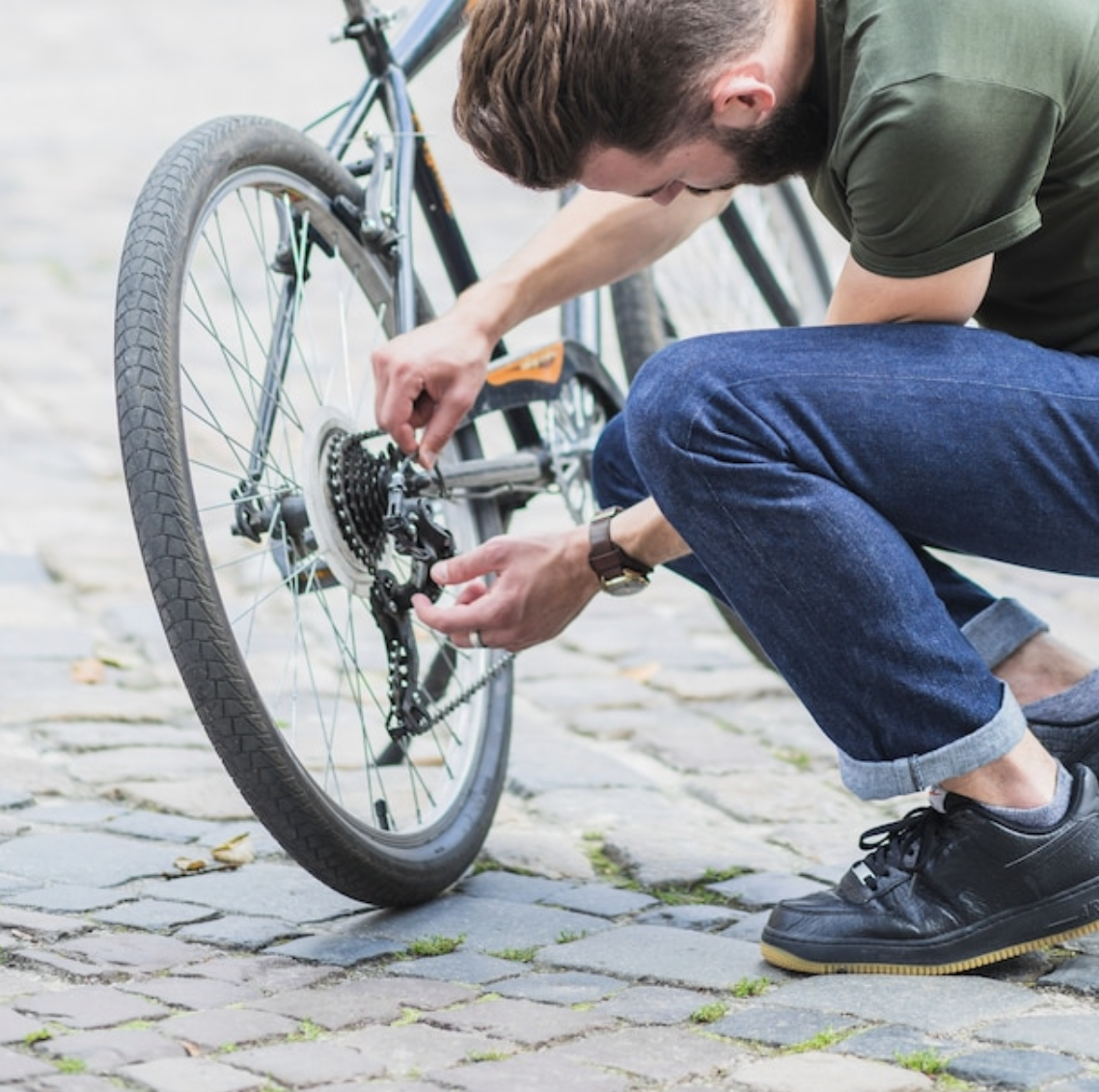
A clean and well-lubricated chain means your bike shifts properly, and it minimizes your chances of it slipping or breaking mid-ride. Dust and dirt are going to build up, and not only are they going to wear your drivetrain out, but they're going to make pedaling less efficient.
Hence, degrease the chain and turn the pedals backwards to apply a bicycle-specific lubricant. Wipe off excess lube so it doesn't collect more dirt.
A clean, well-oiled chain gives you a smoother ride and prevents you from having a bike meltdown when you need your bike most.
Tighten Bolts and Check Components
Loose bolts and parts can come loose and cause hazardous mechanical failures while riding if they are not tightened appropriately. Thus, check the handlebars, seatpost, pedals, and wheels for tightness regularly. If any parts feel wobbly or unstable, gently tighten them with the tools you need.
Pay special attention to the quick-release levers on your wheels, ensuring they are securely fastened. A quick visual inspection before each ride can catch small issues before they become serious safety concerns.
Test Lights and Reflectors
Visibility is key, as riding in low-light conditions dramatically increases the chance of crashes. Make sure your front and rear lights are working properly and have fresh batteries or are fully charged. It's also good to make sure reflectors are clean and securely attached to your wheels, pedals, and frame.
Conclusion
Bike maintenance isn’t only about ensuring things run smoothly — it’s vital to your safety. Avoiding mechanical failures that can result in an accident can be done by regular checks of your brakes, tires, chain, and other parts.
A minute or two spent checking your bike before you ride can make the difference between a safe trip and a serious injury. Whether you ride every day, a couple of times a week, or just on the weekends, follow these simple tips to stay safe whenever you take the road.