Gymnastics Classes: Structured Training That Builds Strength, Balance, and Confidence
🤸♀️ Build strength, coordination, and confidence with structured gymnastics classes for all ages! Start your movement journey today. 💪🏽🏃♂️✨
Gymnastics classes offer more than just the ability to perform flips or acrobatic stunts. They provide a structured approach to physical development, coordination, and mental focus, making them a sound choice for individuals of various ages seeking to build both physical capacity and personal discipline. For those interested,The Yard Gymnastics Classes offer a comprehensive programme designed to support these goals.
What Happens During a Typical Class
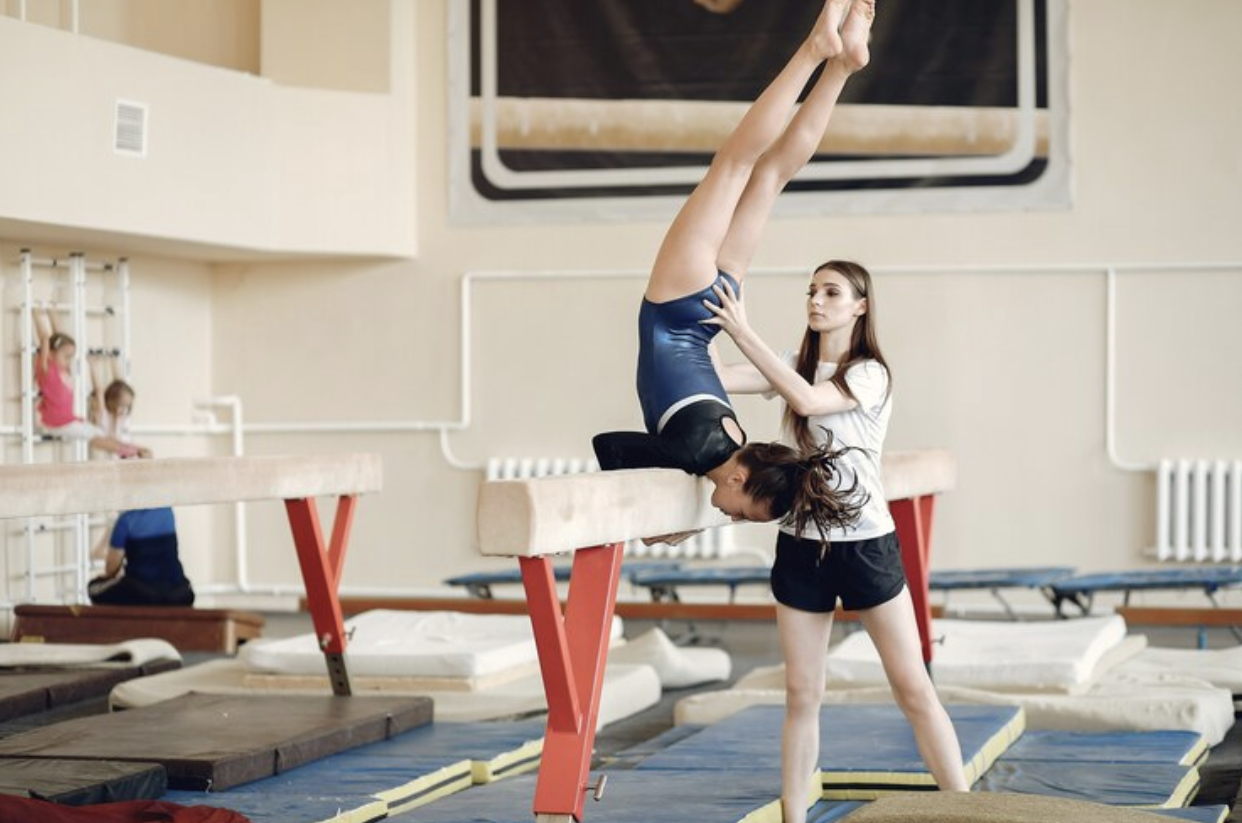
Each class typically begins with warm-up exercises that prepare the body for movement. These are followed by focused skill development using apparatus such as balance beams, vaults, uneven bars, and trampolines. Strength and conditioning exercises are included to support control and alignment. The session concludes with cool-down movements to reduce strain and encourage flexibility.
Children learn through repetition, guided progression, and close supervision. Coaches adjust instruction based on age, ability, and readiness, creating a supportive learning environment.
Varied Approaches to Gymnastics Instruction
Gymnastics encompasses a range of disciplines, and training centres usually offer multiple streams:
Recreational Programmes
These classes are geared toward physical literacy through enjoyable movement, helping participants become more aware of how their bodies move.
Artistic Gymnastics
Routines are developed using traditional apparatus such as the floor, bars, rings, and vault. Emphasis is placed on control, strength, and form.
Trampoline Gymnastics
These sessions focus on aerial control through jumping, twisting, and flipping on a trampoline, guided by clear progressions to build aerial awareness.
Ninja and Freestyle Activities
Designed with energy and agility in mind, these classes appeal to those who prefer dynamic movement patterns that include climbing, swinging, and jumping through obstacle-style courses.
Broader Benefits
Children who attend gymnastics sessions develop attributes that contribute to overall well-being. Physically, they gain strength, coordination, and balance. These attributes assist not only in gymnastics but also in other sports and everyday movement.
On a mental level, learning a new skill through persistent effort teaches patience and determination. As students begin to manage increasingly challenging movements, their confidence grows. Completing a skill after multiple attempts often brings a strong sense of personal achievement.
In terms of social development, regular participation helps children become more comfortable working with others, following instructions, and offering encouragement. These experiences promote cooperation and mutual respect.
Gymnastics by Age Group
Programmes are often structured to meet the developmental needs of each age range:
Early Childhood (Toddlers to Preschoolers)
These sessions include games and guided play to build spatial awareness, balance, and the ability to follow instructions. Children participate with or without parental involvement, depending on age and readiness.
Primary School Years
With increased control and understanding of movement, children begin learning more technical skills. At this stage, gymnastics can become more structured, with progressions that support skill development across multiple apparatus.
Teenagers
Older students may choose to refine their technique or build general strength and flexibility. For some, gymnastics offers a positive outlet for physical expression and a break from academic stress.
Adults
Programmes tailored for adults focus on body control, core strength, and flexibility. Sessions are often suitable for individuals with varied fitness levels, from those revisiting the sport to newcomers seeking a different form of training.
Safety and Instruction
Attention to safety and proper form begins from the first class. Coaches with appropriate credentials provide instruction based on established progression systems. Movement is introduced step by step, ensuring students have built the necessary control before advancing. Well-maintained equipment and appropriate supervision contribute to a secure environment.
Careful pacing reduces risk and supports long-term improvement. With regular attendance and guided practice, students often progress steadily, whether their goal is to participate recreationally or compete at higher levels.
Points to Review When Selecting a Gymnastics Centre
Choosing a suitable programme involves more than checking the schedule. Here are some useful areas to assess:
Coaching Staff
Trainers should have formal experience working with children or adolescents and a clear understanding of gymnastics instruction.
Training Environment
Look for facilities with sufficient space, quality equipment, and safety padding. Cleanliness, organisation, and age-appropriate tools are also strong indicators of a well-managed space.
Variety of Programmes
Centres that offer different levels and specialities allow students to explore and find the most suitable approach, with the option to transition between disciplines over time.
Progress Tracking
Systems that record individual improvement can help keep participants motivated and focused.
Community and Atmosphere
A welcoming, supportive environment allows students to learn without pressure and contributes to positive long-term experiences.
A Foundation for Lifelong Movement
The advantages of early involvement in gymnastics reach far beyond the gym floor. The discipline, strength, and coordination developed through consistent practice help students feel capable in other physical pursuits. At the same time, the focus and patience required to master new techniques often support academic and personal growth.
Gymnastics also encourages self-awareness through movement and provides a framework for building resilience. With continued participation, many students gain a sense of pride in their progress and a greater appreciation for their physical abilities.