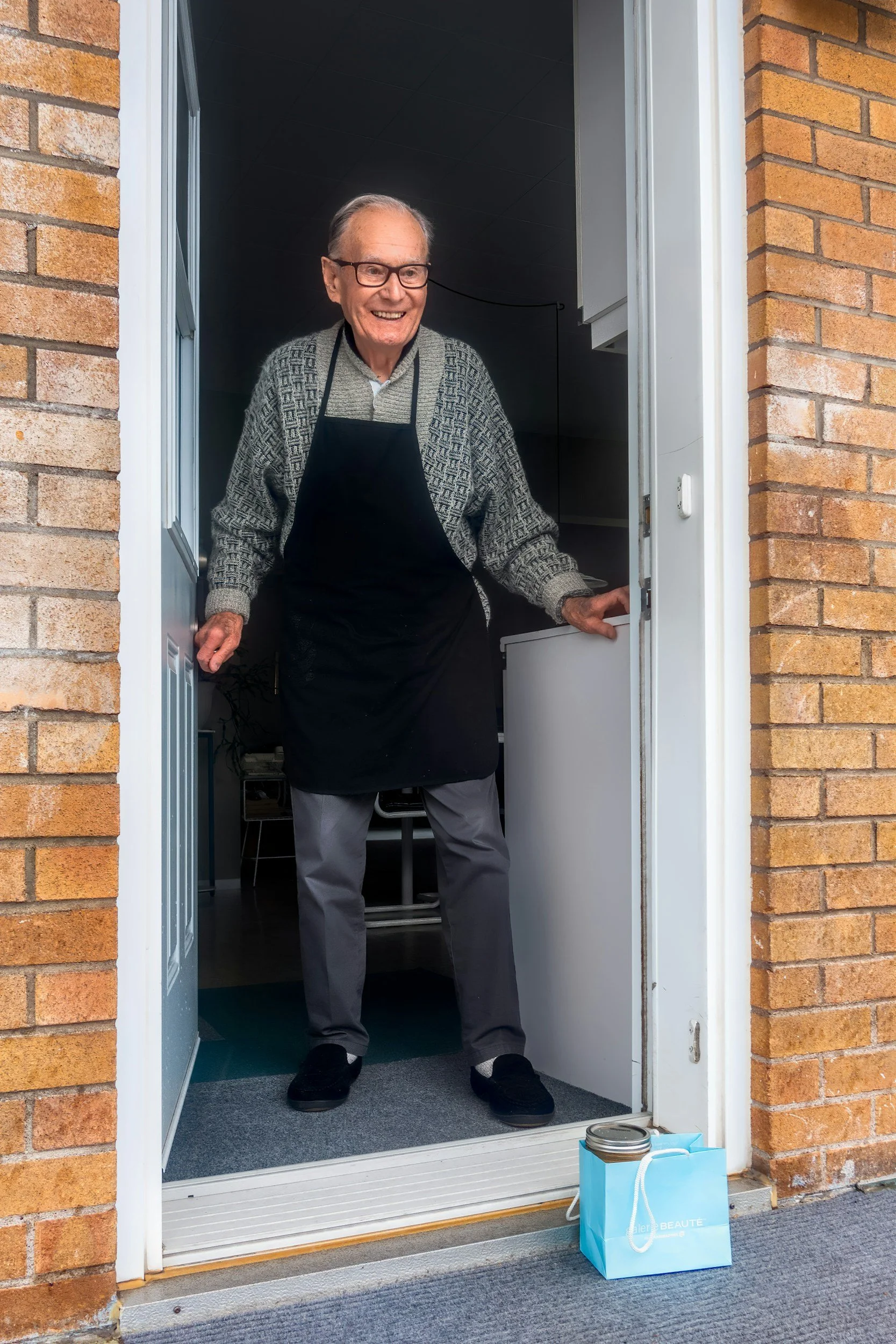
How to Keep Seniors Safe at Home and Outside
Keeping seniors safe is a top concern for families and caregivers. As people age, the risk of accidents, health issues, and confusion increases.
Whether at home or outside, safety needs change over time. Daily routines can sometimes hide small dangers that turn into serious problems.
A safe environment can help seniors stay independent longer. With the right steps, risks can be lowered and peace of mind improved.
Follow this guide to learn how to keep seniors safe and what changes make the biggest difference.
Remove Hazards at Home
Clear walking areas to avoid trips and falls. Remove rugs that can slip or bunch up. Keep electrical cords away from walkways and secure them along walls. Install night lights in hallways and bathrooms.
Use non-slip mats in the kitchen and shower. Ensure furniture is sturdy and not placed in high-traffic areas. Store everyday items at waist height to avoid the need for reaching or climbing.
Keep stairs well lit and use handrails on both sides. These simple changes lower the chance of home injuries.
Install Safety Devices
Smoke detectors should be tested regularly. Carbon monoxide detectors are also important in homes with gas appliances. Emergency alert systems can help seniors call for help when needed.
Grab bars in bathrooms and handrails on steps add support. Consider using a shower chair for safer bathing. Anti-scald devices on faucets prevent burns.
Medical alert devices worn on the wrist or neck are helpful. Make sure phones are easy to reach in every room. These tools create a safer and more responsive environment.
Monitor Medication and Health
Use a pill organizer to avoid skipped or double doses. Keep an updated list of all medications and review it with a doctor often. Track appointments and set reminders for medications.
Watch for changes in behavior, appetite, or sleep, which may signal health issues. Keep emergency contacts posted clearly near the phone. Encourage regular hydration and a balanced diet.
Arrange transport for doctor visits if needed. Monitor blood pressure and sugar levels at home when advised. Staying on top of health prevents many emergencies.
Prevent Outdoor Dangers
Limit outdoor activity during extreme heat or cold. Always use sunscreen and protective clothing. Sidewalks and driveways should be clear and not slippery. Use a walker or cane for added stability if needed.
Stay in well-lit, populated areas when walking. Carry ID and a charged mobile phone at all times. Review local weather and plan accordingly.
Summer months bring added risks, so it helps to follow summer safety tips for seniors. Staying prepared lowers the chance of accidents while outside.
Support Mental and Emotional Safety
Isolation can lead to depression or confusion. Keep seniors socially active with regular visits and calls. Encourage hobbies, puzzles, or light exercise for mental sharpness. Set up a routine to provide structure.
Make sure they feel heard and involved in decisions. Offer gentle reminders instead of corrections to avoid frustration. Listen carefully and respond with kindness.
Include them in family events whenever possible. Emotional support builds confidence and reduces stress.
Learn How to Keep Seniors Safe
Keep seniors safe every day, both at home and outside. Safety plans reduce stress and help them live with more freedom. Small actions make a big impact.
From fall prevention to outdoor care, each step matters. Families and caregivers must stay alert and prepared. With the right approach, accidents can be avoided. Protecting loved ones starts with awareness and action.
Should you wish to read more, visit our blog page. We've got more topics for you!