
Toxic Trouble on the Job: How to Spot Harmful Exposure and Protect Your Rights
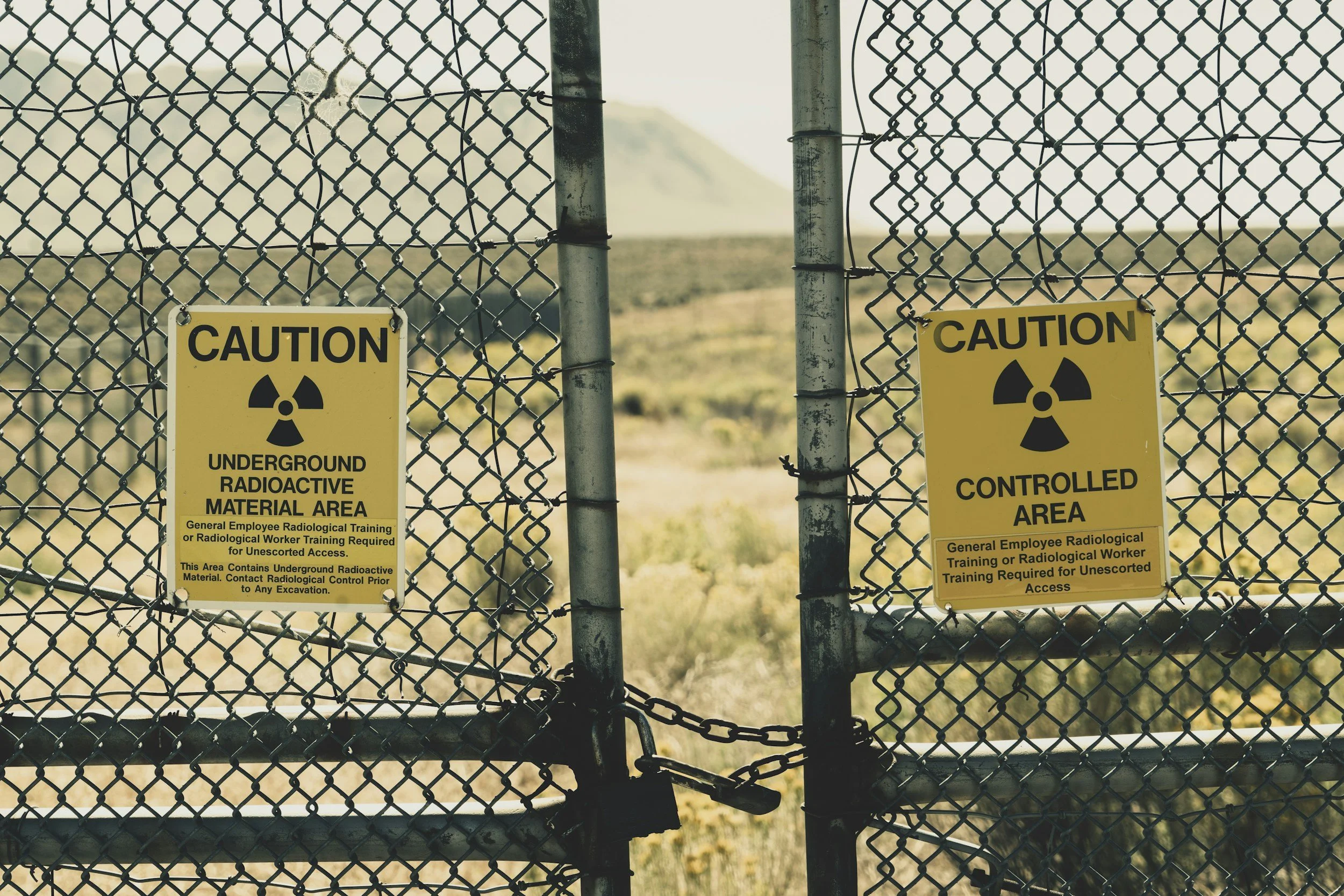
When you think of workplace injuries, you might picture a slip on a wet floor or a fall from a ladder. But some of the most dangerous threats on the job are the ones you can’t see - chemical fumes, dust, radiation, and other hazardous substances that quietly put your health at risk. Toxic exposure at work can lead to long-term illnesses, and too many workers don’t realize they have the right to file a claim. An experienced workers’ compensation attorney can guide you through the process and even represent you at the trials if a claim is denied. Let’s break down what you need to know, what to watch for, and when to get legal help.
Invisible Dangers: What Is Toxic Exposure?
Just because something doesn’t hurt immediately doesn’t mean it’s harmless.
Toxic exposure happens when a person comes into contact with a substance that can damage their health. Unlike sudden injuries, these effects often build up slowly. You might not feel sick until weeks, months, or even years later. This delay makes toxic exposure especially tricky to recognize and prove, one reason why having a workers’ compensation attorney in your corner can make a huge difference.
The Usual Suspects: Common Workplace Toxins
You don’t have to work in a chemical plant to be at risk.
Toxic substances are present in a surprising number of workplaces. Here are some of the most common culprits:
1. Asbestos
Although it's banned in many countries, asbestos is still found in older buildings. Construction, demolition, and renovation workers are especially vulnerable. Long-term exposure can lead to mesothelioma, a deadly form of cancer.
2. Benzene
Used in manufacturing, rubber production, and even some cleaning products, benzene exposure has been linked to leukemia and other blood disorders.
3. Lead
Even with stricter regulations, lead is still a threat in older paints, batteries, and industrial materials. It’s especially harmful to the nervous system.
4. Silica Dust
Common in mining, construction, and masonry work, silica dust can cause silicosis, a serious lung disease that’s sadly irreversible.
5. Pesticides
Agricultural workers face regular exposure to toxic chemicals used to control pests. Long-term contact has been connected to fertility problems and cancer.
Symptoms You Shouldn’t Ignore
Toxic exposure doesn’t always show up as a rash or cough.
Symptoms vary depending on the substance, but these common signs may point to something more serious:
Chronic headaches
Difficulty breathing
Skin irritation
Unusual fatigue
Dizziness or memory problems
Vision or hearing changes
If these symptoms persist, especially after repeated exposure to specific environments or tasks, don’t shrug it off. Document everything and talk to a medical professional immediately.
When to File a Claim: Don’t Wait Too Long
Timing is everything - and it can be confusing when symptoms are delayed.
In most states, you have a limited window to file a workers’ compensation claim after discovering a work-related illness. But unlike broken bones or sprained ankles, toxic exposure claims don’t always have a clear starting point. That’s where a knowledgeable attorney can step in to help you gather the right documentation, track exposure history, and meet all deadlines.
Fun fact: Some state workers’ comp boards allow for what's called a "date of manifestation" claim, which starts the filing timeline based on when you first noticed symptoms - not when you were first exposed.
Why You Need a Workers’ Comp Attorney in Your Corner
Toxic exposure cases are some of the toughest to win without expert help.
Employers and insurance companies often try to deny these claims, saying your symptoms are caused by something outside of work. That’s why having a skilled workers’ comp attorney makes a real difference - they know how to build a strong case using your medical records, workplace history, expert testimony, and even scientific research. If you're looking for the right legal support, http://workerscompensationlawyercalifornia.com/ is a great place to start.
And unlike other personal injury cases, most workers’ comp lawyers don’t get paid unless you win. That means you get top-notch help with no upfront cost. It’s not just about getting treatment paid for; it’s about protecting your health, your income, and your future.
Don’t Let Invisible Hazards Silence You
Workplace safety isn’t just about hard hats and steel-toed boots. It’s also about the air you breathe, the dust you inhale, and the chemicals you handle. If you suspect toxic exposure, take it seriously, and don’t try to fight the system alone. Workers who work with attorneys often get faster answers, better care, and stronger long-term outcomes.
Toxic substances may be silent, but your voice doesn’t have to be. Know your rights, stay alert, and protect yourself before the damage becomes permanent.