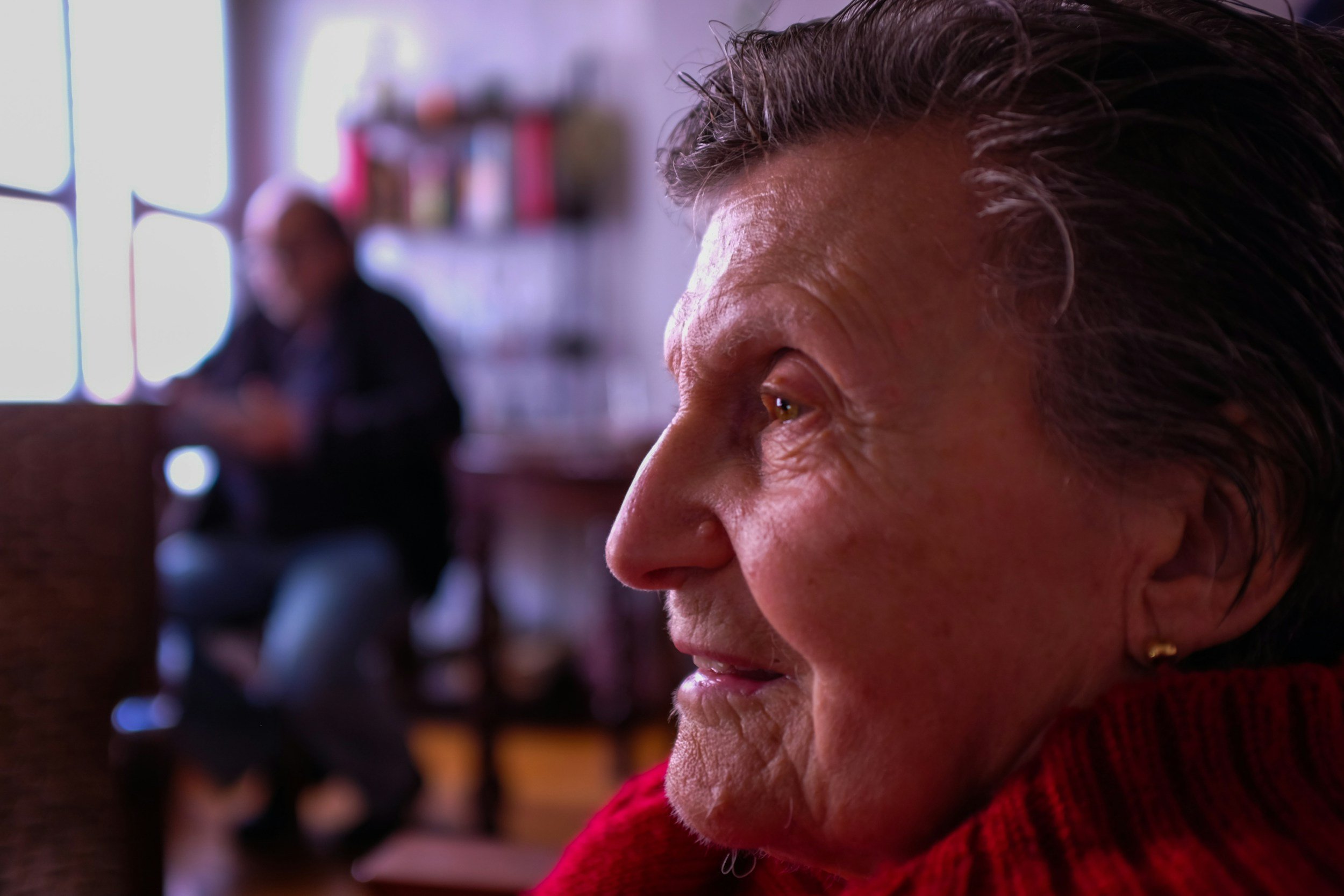

Integrating Mindful Practices into Memory Care
In today's busy world, many things fight for our attention. For people with memory problems, this can be even harder. That's why mindful practices are more important than ever in memory care.
These practices help bring calm and focus. They create a space where people feel safe, peaceful, and more connected to others. Mindfulness can help residents feel less confused and more comforted.
Keep reading to uncover all the details.
What are Mindful Practices?
Mindful practices are simple ways to help someone pay attention to the present moment. These can include deep breathing, soft music, or even quiet time outdoors. Meditation, gentle movement, and guided storytelling are also helpful tools.
Mindful practices can calm the mind and body in memory care. They make people feel safe and reduce fear or stress. Many people with memory loss feel anxious or confused. These simple practices help them feel more balanced and in control.
How Mindfulness Helps in Memory Care
One big benefit is better brain function. People who participate in these activities often show improved memory and attention. They may also feel happier and more relaxed.
Mindfulness also helps build stronger relationships. When people do these practices together, they feel closer. Whether it's sitting quietly or sharing peaceful stories, these moments bring people together.
In places that offer memory care in Boise, ID, these mindful practices are becoming an important part of daily life. When used often, they can improve how someone feels about life. They may feel more in control and respected.
How to Use Mindfulness in Care Settings
Bringing mindfulness into a care home does not need to be difficult. First, create calm and quiet spaces. A peaceful room with soft lighting and no loud noises can make a big difference.
Daily routines can include short mindfulness sessions. These could be a few minutes of deep breathing, soft music, or sitting in nature. Even small things like watching the trees move or listening to birds can bring peace.
Another helpful method is guided imagery. This means helping someone imagine a happy or calming scene. It could be a favorite beach, a childhood memory, or a garden full of flowers. These stories help people feel safe and bring joy.
Adapting to Each Person's Needs
Not every person with memory problems will respond the same way. Some may find it hard to sit still, and others may not understand what is happening. The key is to adjust each practice to fit the person.
Some may prefer music, while others enjoy touch or gentle movement. Caregivers can use trial and error to find what works best. The most important thing is to be patient and kind.
Mindful activities do not have to be long or perfect. Even just a few minutes can make a big difference in someone's day. Over time, these small efforts add up to create a more peaceful and joyful space.
A Brighter Path for Memory Care
Mindfulness is a powerful way to bring peace to those with memory problems. These small practices help people feel more connected, more joyful, and more understood. By using mindfulness, we can make care homes feel more like home.
With love and attention, caregivers can create moments that truly matter. In those quiet, mindful moments, we can help people remember who they are, and help them feel seen, heard, and valued.
Don't stop here. Explore our blog for more expert advice and ideas!