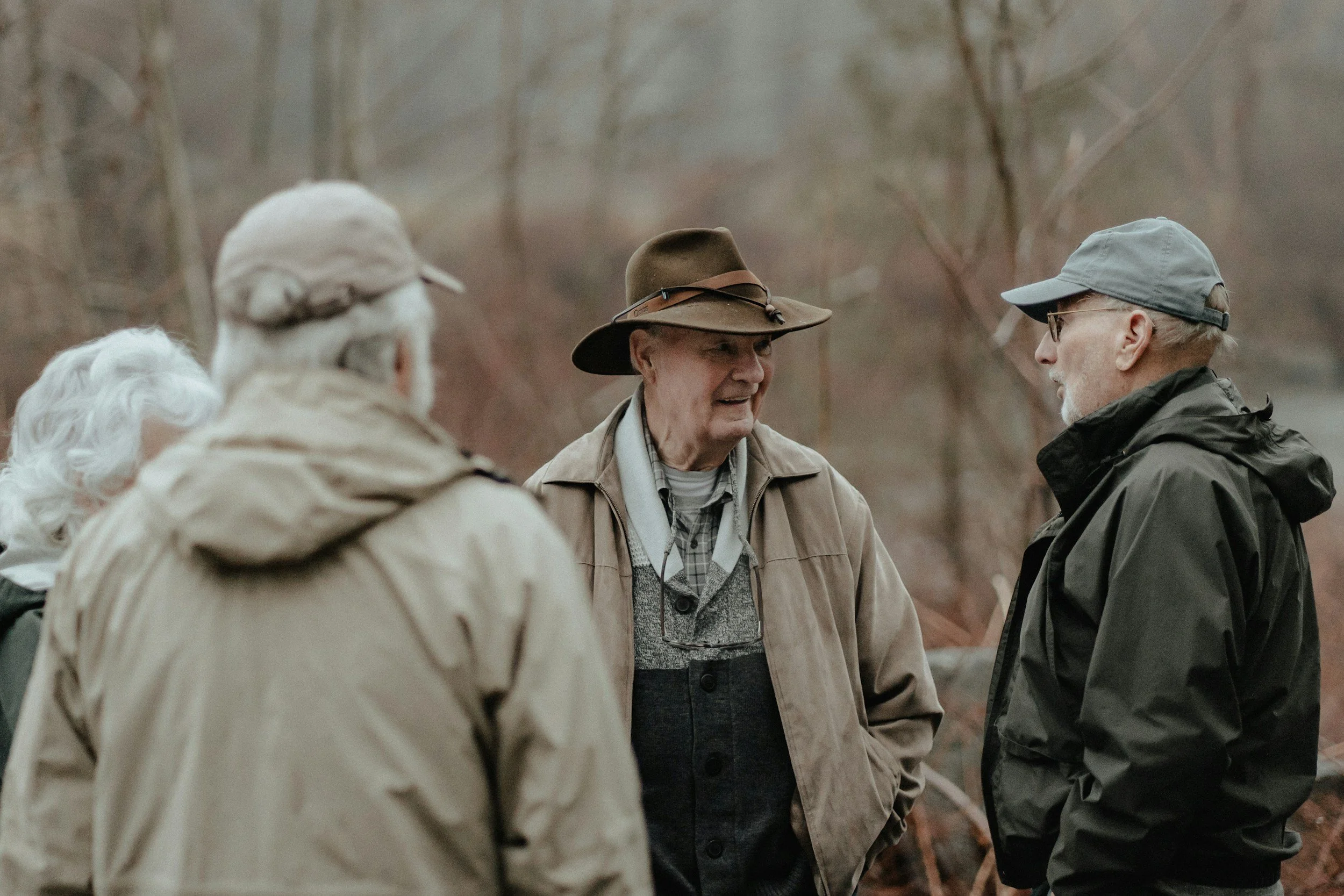
Navigating Mood Shifts in Seniors as a Natural Part of Aging
As we age, it's normal for our moods to fluctuate. Mood changes can occur for various reasons, such as bodily changes, new routines, or shifts in our connections with others. While some people might think these mood swings mean something is wrong, they are usually a natural part of getting older.
Let's take a closer look at why these mood shifts happen and how we can handle them with kindness and care.
Understanding Mood Shifts in Seniors
Mood changes in older adults can stem from health issues, medication side effects, or emotional stress. Major life events like loss, retirement, or moving can also lead to loneliness and mood swings. Noticing these shifts and offering support is key to their emotional well-being.
Factors Contributing to Mood Changes
Recognizing what can trigger these mood shifts is crucial for both caregivers and seniors themselves. Common factors include:
Physical Health Issues
Ongoing pain or illness can take a big toll on a person's emotions. When the body hurts, it's hard to stay positive. This can lead to feelings of frustration or sadness over time.
Social Isolation
Not seeing family or friends often can make someone feel very alone. Social connections are important for keeping spirits up. Without them, feelings of loneliness can grow stronger.
Life Transitions
Big changes like moving to a new home or losing a spouse can be very hard to handle. These events can bring deep sadness and stress. It takes time to adjust and find new ways to cope.
Cognitive Decline
Conditions like dementia affect how people think and feel. They can make it harder to control emotions or understand what's happening. This can lead to confusion and mood swings.
Strategies to Support Emotional Well-being
Supporting a senior experiencing mood shifts involves empathy, patience, and practical strategies. Here are some effective approaches:
Encourage Socialization
Helping seniors spend time with friends, family, and community groups gives them a strong sense of belonging. Being around others can help fight off feelings of loneliness. Finding fun ways to connect makes a big difference in their mood.
Promote Physical Activity
Exercise is a great way to boost both mood and health. Simple activities like walking, yoga, or gardening can be fun and easy to do. Staying active helps seniors feel better physically and emotionally.
Foster Open Communication
It's important to encourage seniors to share how they feel. Talking about emotions helps them understand and manage their feelings. Having someone who listens can ease their sense of isolation.
Professional Help
Sometimes, talking with a counselor or therapist can be very helpful. Professionals can offer guidance through tough emotions and big life changes. Seeking support is wise when feelings become overwhelming.
Addressing the Stigma Surrounding Mood Shifts
It is important to address the stigma associated with mood shifts in seniors. Many individuals might view these changes through a negative lens, often attributing them to weakness or incapacity.
However, understanding stigma in senior health can illuminate the reality that mood fluctuations are a normal aspect of life at any age. Fostering a positive perspective enables supportive environments that help seniors navigate emotions without fear of judgment.
Embracing the Natural Mood Shift
Mood shifts are a natural part of aging and should be met with care and understanding. By recognizing the causes and offering support, we can help improve emotional well-being in older adults. Encouraging connection, healthy routines, and open conversations can make a big difference. A simple act of kindness may be all someone needs if they are struggling.
Is this article helpful? Keep reading our blog for more.