
Polygraph Testing in Calgary - What to Expect and How It Can Help You
Understanding the Purpose of Polygraph Testing
Polygraph testing, commonly known as lie detector testing, is a scientifically grounded method for evaluating whether a person is being truthful during a structured interview. The technology measures involuntary physiological responses that occur when a person experiences the psychological stress associated with deception. These responses include changes in blood pressure, heart rate, breathing patterns, and skin conductivity. By analyzing these measurements, a trained examiner can determine with a high degree of accuracy whether the person being tested is answering questions honestly.
In Calgary, polygraph testing serves a wide range of purposes across personal, legal, and corporate domains. Individuals turn to lie detector examinations when they need definitive answers about relationship fidelity, family disputes, or allegations that could affect their reputation and livelihood. Businesses use polygraph testing for internal investigations, pre-employment screening, and compliance monitoring. Legal professionals rely on polygraph results to inform their case strategies and support their clients during negotiations and proceedings. Whatever the reason, understanding what to expect from the process is essential for anyone considering a polygraph examination.
The Pre-Test Phase - Setting the Foundation
Every professional polygraph examination begins with a comprehensive pre-test phase that typically lasts 30 to 60 minutes. During this stage, the examiner meets with the examinee to discuss the purpose of the test, explain the science behind polygraph technology, and review the specific questions that will be asked during the examination. This is not simply a formality - the pre-test interview serves critical functions that directly affect the accuracy of the test results. It allows the examiner to establish rapport, assess the examinee's emotional and physical state, and ensure that there are no misunderstandings about the questions.
The examiner will also use the pre-test phase to gather background information relevant to the issue being investigated. This contextual understanding helps the examiner formulate questions that are clear, specific, and unambiguous. Ambiguous or poorly worded questions are one of the most common causes of inconclusive or inaccurate results, so reputable examiners invest significant time in perfecting their question sets. The examinee has the opportunity to discuss concerns, ask questions, and suggest modifications to the proposed questions before the actual testing begins.
During the pre-test, the examiner will also screen for any medical conditions, medications, or psychological factors that might affect physiological readings. Conditions such as cardiovascular disease, respiratory disorders, severe anxiety disorders, and certain medications can influence the body's baseline physiological state and its reactions during questioning. A responsible examiner will either accommodate these factors in their analysis or recommend postponing the examination if conditions make accurate testing impossible.
The In-Test Phase - How Data Is Collected
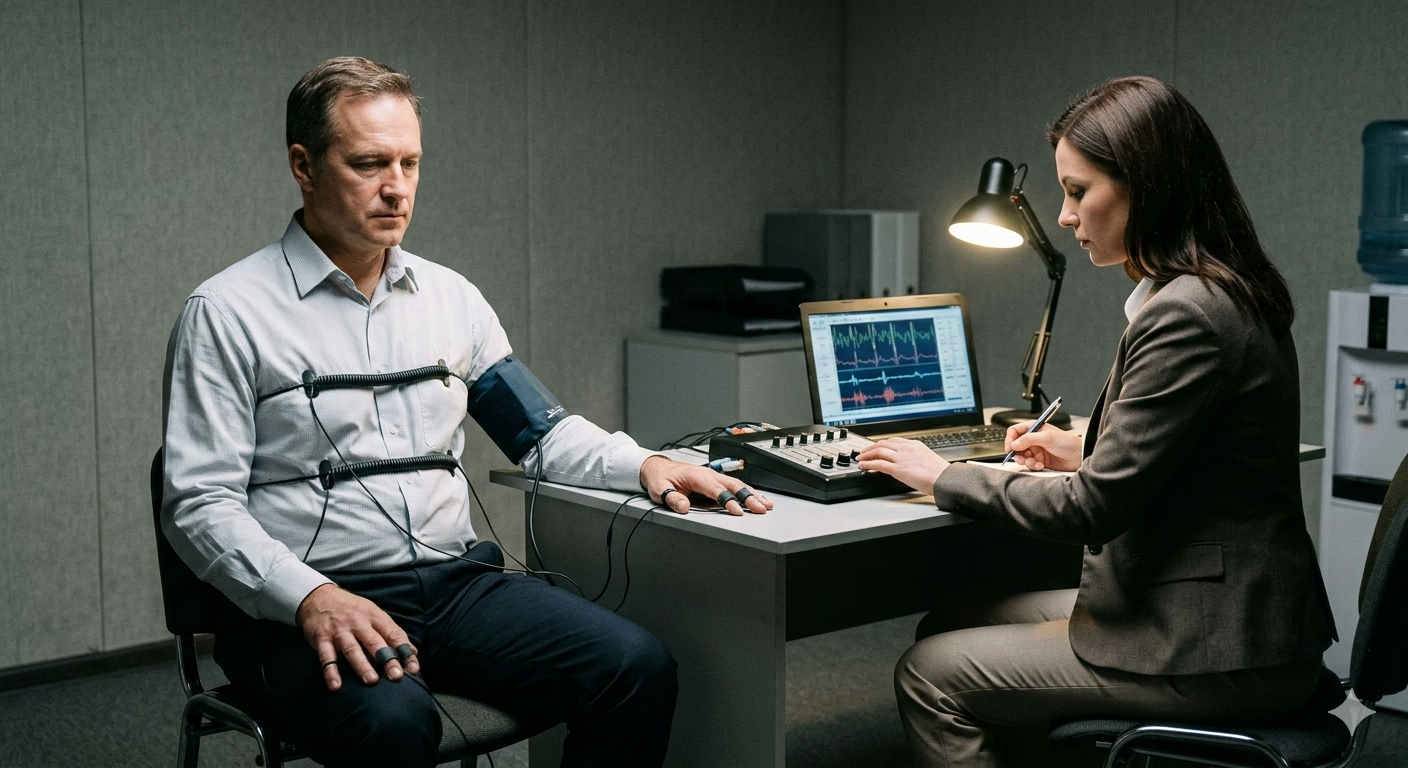
Once the pre-test phase is complete, the examinee is connected to the polygraph instrument through a series of non-invasive sensors. Pneumograph tubes are placed around the chest and abdomen to measure breathing patterns. A blood pressure cuff is attached to the upper arm to monitor cardiovascular activity. Fingertip electrodes or plates measure electrodermal activity, which reflects changes in sweat gland activity associated with emotional arousal. Some advanced systems also include a motion sensor placed in the seat cushion to detect physical movements that could indicate countermeasure attempts.
The examiner then asks the prepared questions in a specific sequence, typically including three categories - relevant questions directly related to the issue under investigation, comparison questions designed to elicit a known level of physiological response, and neutral questions that establish a conversational baseline. The examinee answers each question with a simple yes or no response. The entire question sequence is usually repeated two or three times to ensure that the physiological patterns are consistent and reliable rather than the result of random fluctuations.
Throughout the in-test phase, the polygraph instrument continuously records data across all channels simultaneously. Modern digital systems display this data on a computer screen in real time, allowing the examiner to monitor the quality of the recordings and make adjustments if necessary. The examiner observes the examinee carefully, noting any behavioral indicators that might complement the physiological data. The testing phase typically takes 30 to 45 minutes, though complex cases with multiple issues may require longer sessions.
The Post-Test Phase - Analysis and Results
After the testing is complete and the sensors are removed, the examiner proceeds to analyze the collected data. In modern practice, this analysis involves both computerized scoring algorithms and the examiner's professional judgment. The algorithms compare physiological responses to relevant questions against responses to comparison questions, calculating numerical scores that indicate the likelihood of deception. The examiner then reviews these scores in the context of the behavioral observations made during the test and the information gathered during the pre-test interview.
Results are typically reported in one of three categories - no deception indicated, deception indicated, or inconclusive. An inconclusive result means that the physiological data did not produce a clear pattern in either direction, which can occur for various reasons including extreme nervousness, medical factors, or an examinee who falls in a narrow physiological response range. Reputable examiners will explain the results thoroughly, answering any questions the client may have about the interpretation and its implications.
How Polygraph Testing Can Help You in Calgary
For Calgary residents dealing with trust issues in relationships, polygraph testing offers a direct path to clarity. Rather than spending months or years trapped in a cycle of suspicion and denial, a single examination can provide the definitive answers needed to move forward. Couples who discover that their fears were unfounded often report a dramatic improvement in their relationship quality after testing. Those who learn that their concerns were justified gain the information they need to make informed decisions about their future.
In workplace scenarios, polygraph testing helps Calgary businesses protect their assets and maintain healthy organizational cultures. When theft, fraud, or policy violations are suspected, the mere announcement that polygraph testing will be conducted often prompts responsible parties to come forward voluntarily, resolving the issue without the need for actual testing. When tests are conducted, they provide objective evidence that supports fair and defensible disciplinary decisions. If you are seeking professional polygraph services in Calgary, consider scheduling a polygraph test Calgary with experienced and certified examiners who can guide you through every step of the process. Their expertise ensures accurate results that you can rely on for personal decisions or legal proceedings.
Frequently Asked Questions About Polygraph Testing
One of the most common questions people ask is whether it is possible to beat a polygraph test. While the internet is full of advice about supposed countermeasures, professionally administered examinations by trained examiners are designed to detect such attempts. Modern polygraph instruments include sensors specifically intended to identify physical countermeasures, and experienced examiners are trained to recognize behavioral signs of attempted manipulation. The vast majority of countermeasure strategies are ineffective against a properly conducted examination.
Another frequent question concerns the legal status of polygraph results in Alberta. While polygraph results are generally not admissible as evidence in Canadian courts, they are widely used in investigative and pre-trial contexts. Many legal professionals in Calgary value polygraph results as a tool for case assessment, and voluntary polygraph testing can positively influence how cases are handled by prosecutors and opposing counsel. It is always advisable to discuss the potential legal implications of testing with your attorney before scheduling an examination.
People also ask about the cost of polygraph testing in Calgary. Prices vary depending on the complexity of the issue and the number of questions involved, but most single-issue examinations fall in the range of 400 to 800 USD. Multi-issue examinations and specialized testing formats may cost more. When evaluating costs, consider the value of the information you will receive - a relatively modest investment in polygraph testing can save thousands of dollars in legal fees, prevent costly business losses, or provide priceless peace of mind in personal matters.