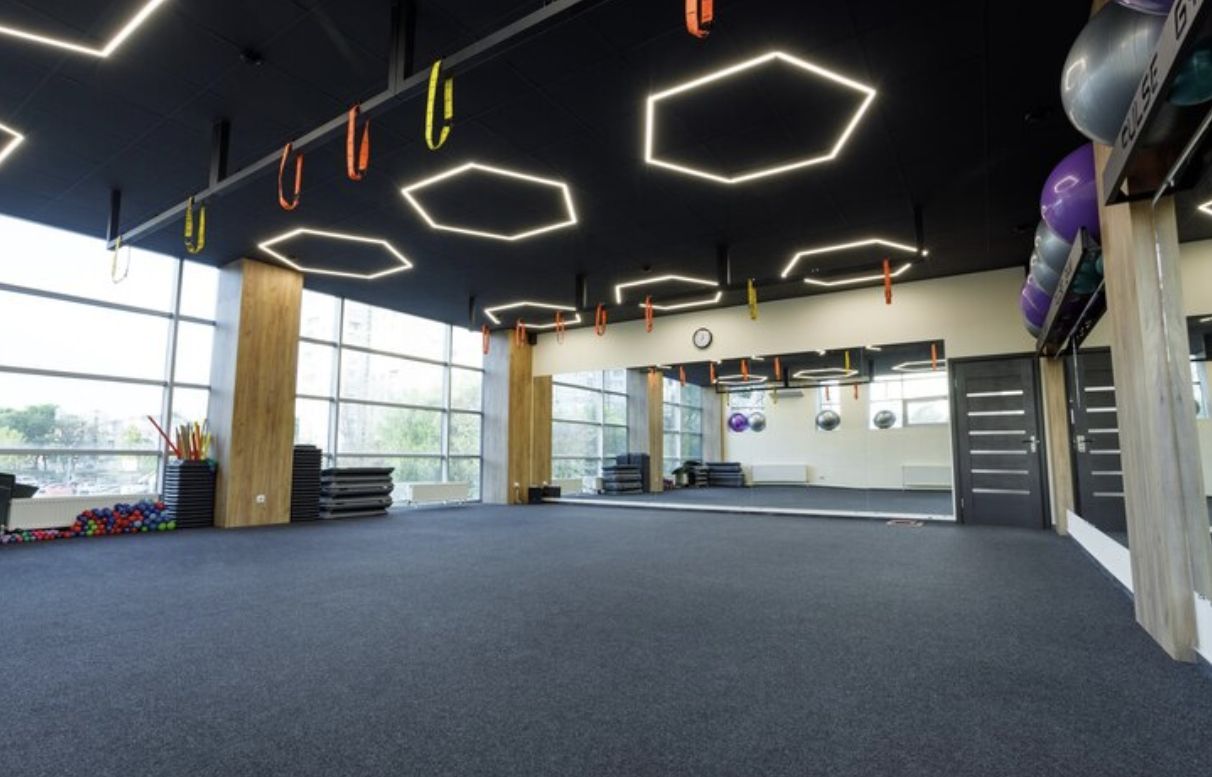
Student Development Facilities: Foundations for Future Success
Modern education goes beyond textbooks and examinations. It now involves shaping well-rounded individuals capable of adapting to a complex and ever-evolving world. At the heart of this shift is the increasing importance of student development facilities—dedicated spaces and resources that support personal growth, leadership, emotional well-being, and lifelong skills. These facilities play a vital role in complementing academic learning by nurturing the soft and practical abilities students need for success beyond the classroom.
While traditional infrastructure such as classrooms and libraries form the backbone of academic institutions, student development facilities create an environment for growth that is holistic, interactive, and future-focused. Click the link for more information: https://expatliving.sg/sports-facilities-skill-studios-student-development-owis-punggol/
Defining Student Development Facilities
Student development facilities are specifically designed to provide support in non-academic areas of student life. These may include career guidance centres, wellness hubs, leadership training rooms, creative spaces, counselling centres, and co-curricular activity zones. Each facility is built with the intention of enhancing student capability, helping them grow in confidence, interpersonal skills, and adaptability.
More than just physical spaces, these facilities often act as anchors for structured programmes aimed at enriching the student experience. Through events, workshops, mentoring, and skill-building sessions, learners are encouraged to explore new interests, confront challenges, and prepare for life beyond formal education.
Fostering Personal and Social Growth
One of the key roles of student development facilities is to support personal growth. With increasing awareness of the pressures faced by young individuals today—be it academic stress, career uncertainty, or social anxieties—these facilities provide much-needed support systems. Counselling centres, for instance, offer students a confidential and safe space to address emotional or psychological concerns. Professional support can help learners navigate difficulties, improve resilience, and build mental strength.
On the social front, student lounges, clubs, and common areas encourage collaboration and interaction among peers from different backgrounds. This sense of community is crucial in helping students develop cultural awareness, empathy, and communication skills—traits that are highly valued in both professional and personal spheres.
Workshops on topics such as conflict resolution, time management, and self-discipline also equip students with tools to handle the complexities of modern life. By creating avenues for dialogue and reflection, these spaces contribute significantly to emotional intelligence and social adaptability.
Building Career and Leadership Potential
Student development facilities often include career centres and leadership hubs aimed at preparing individuals for life after education. Career support services typically provide guidance on internships, resume building, interview preparation, and job-hunting strategies. Access to mock interviews, networking events, and industry talks further bridges the gap between education and employment.
Leadership training rooms or incubator spaces allow students to take part in projects, lead teams, or even launch entrepreneurial initiatives. These activities are designed to promote initiative, accountability, and innovation—characteristics highly sought after in today’s job market.
These facilities may also host peer mentoring programmes where older students guide newcomers through the academic and social transition. Such initiatives foster a spirit of responsibility and support within the student community.
Encouraging Creative and Experiential Learning
Development facilities often support creative expression and experiential learning, providing students with opportunities to apply their knowledge in practical and imaginative ways. This could take the form of media labs, performing arts studios, maker spaces, or project rooms. These environments are designed to encourage experimentation, creativity, and teamwork, which are essential to fostering critical thinking and innovation.
For instance, a student working on a community impact project may use these spaces to design solutions, collaborate with peers, and present ideas in a professional manner. Through hands-on engagement, students develop problem-solving abilities and a strong sense of purpose in their learning journey.
Such environments also support reflective practices, where students are encouraged to assess their own progress, recognise areas for growth, and set meaningful goals. This self-awareness is instrumental in fostering autonomy and a lifelong learning mindset.
Supporting Health and Well-Being
Student wellness is closely linked to academic success and overall development. Student development facilities often include wellness zones or recreational spaces where learners can unwind, engage in fitness activities, or participate in mindfulness and mental health programmes. Access to physical exercise, nutrition guidance, and relaxation areas helps promote a balanced lifestyle, preventing burnout and encouraging sustainable habits.
Some institutions also offer tailored support for students with specific needs, ensuring inclusivity and equal access to development opportunities. Facilities may include adaptive technologies, accessible layouts, and staff trained in supporting diverse learning and physical requirements.
By prioritising physical and mental health, institutions ensure that students are not only academically competent but also emotionally and physically equipped for future challenges.
Long-Term Impact on Student Successs
The long-term benefits of student development facilities are far-reaching. Graduates who have engaged in these opportunities often display higher confidence, adaptability, and emotional resilience. They are more prepared to navigate the uncertainties of the workplace and personal life because they’ve had access to environments that encourage exploration, reflection, and personal ownership.
These facilities also play a role in institutional success. Educational institutions that invest in development infrastructure often enjoy higher student satisfaction, better retention rates, and a stronger sense of community among alumni. This creates a cycle of support and contribution that enhances the reputation and effectiveness of the institution as a whole.

Conclusion
Student development facilities are no longer optional features in education—they are essential elements in nurturing the full potential of learners. By focusing on personal, social, and professional growth, these spaces help students become not just academically successful, but holistically prepared individuals. As education systems continue to evolve, the value of such environments will only grow, offering a powerful foundation for future achievement.