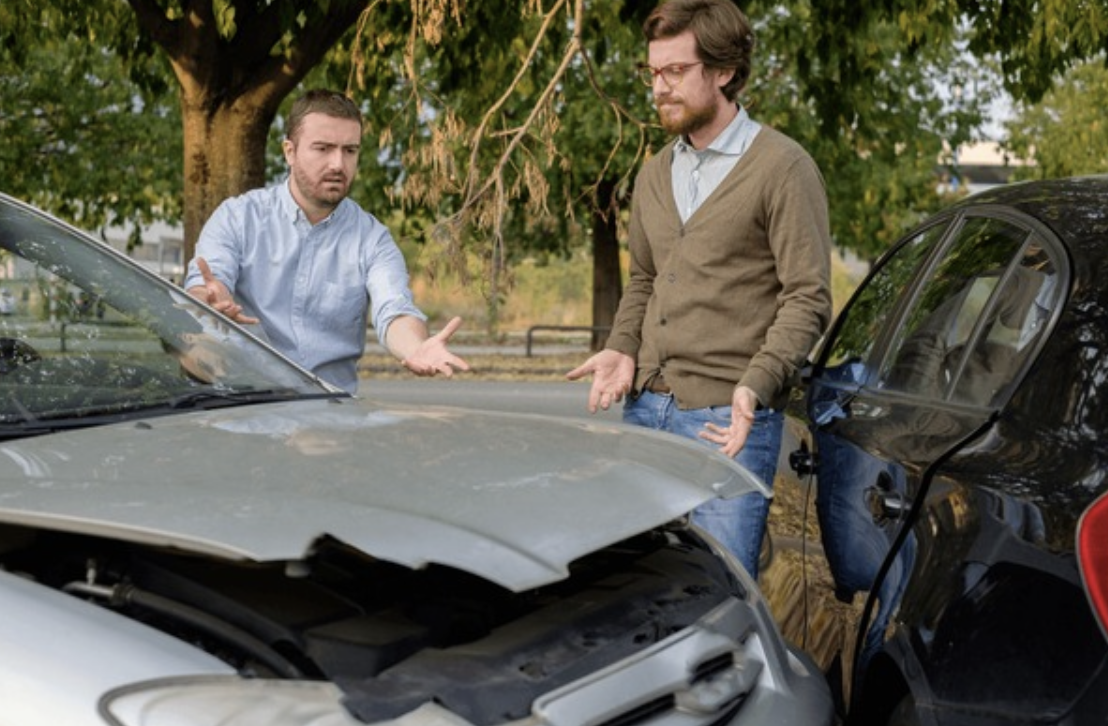
The Different Forms of Negligence That Cause Car Accidents
Negligence in car accidents means someone fails to act with the level of care that any reasonable driver should have. And when that happens, it can lead to serious injuries, major car damage, or even death. You might think it’s just about texting and driving or speeding. But negligence comes in many forms, and it’s not always obvious.
Understanding the different ways negligence can happen is important. If you or someone you know has been seriously hurt in a crash, it helps to know how and why it happened. That way, you can figure out who was at fault and what to do next. If you’re not sure where to start, you can look into legal help for victims of serious car crashes.
The Four Main Types of Negligence
There are four different legal types of negligence.
Gross negligence is when someone acts so recklessly that it goes beyond normal carelessness.
Comparative negligence means more than one person was partly at fault, and any payout is adjusted based on each person’s share of the blame.
Contributory negligence is stricter; if the injured person was even a little bit at fault, they may not be able to get any money at all, depending on the state.
Vicarious negligence means someone is held responsible for another person’s actions.
Common Forms of Negligence Which Lead to Car Accidents
Aside from the legal types, there are other, more specific forms of driver negligence that lead to car accidents:
Violating Traffic Laws
Traffic laws are rules meant to keep everyone safe. When people break them, accidents happen.
One common example is speeding. When a car is moving too fast, the driver has less time to react, and the car takes longer to stop. That can be dangerous in any situation, especially in areas with other cars, pedestrians, or traffic lights.
Running red lights, ignoring stop signs, or making illegal turns are all violations that can lead directly to crashes. People sometimes break these rules because they’re in a rush or think they’re in control. But the risk is always higher when the rules are ignored.
Aggressive Driving
Aggressive driving is another form of negligence. This happens when someone lets anger or frustration take over their driving. It’s not just about yelling or honking. It includes dangerous actions like tailgating, weaving between cars, cutting people off, or speeding up to block someone from merging.
These behaviors create unsafe conditions on the road. Aggressive drivers make unpredictable moves, which increases the chances of a crash.
Drunk or Drugged Driving
Driving under the influence is one of the most dangerous forms of negligence. Alcohol and drugs affect the brain, slow down reaction time, and make it harder to focus or make smart decisions.
Someone might think they can still drive safely, but their judgment is already impaired. They may swerve, miss traffic signs, or react too slowly to sudden changes on the road. Even prescription medications can cause drowsiness or confusion.
If a driver isn’t fully alert, they shouldn’t be behind the wheel.
Distracted Driving
Distraction is any activity that takes a driver’s attention away from the road. Texting is a major one, but it’s not the only one.
Talking on the phone, eating, changing music, using navigation, or even talking to passengers can be distracting. Some drivers just zone out or get lost in thought.
When someone isn’t fully focused on driving, they’re less likely to see a stop sign, a pedestrian, or a car slowing down ahead. That split second of distraction is all it takes to cause a crash.