The Role of Community Activities in Senior Well-being
Staying active and socially engaged is important at every stage of life. For seniors, community activities play a key role in supporting both physical and emotional health.
Participating in group events can bring joy, reduce loneliness, and create a sense of belonging. These activities can range from exercise classes and hobby groups to social outings and volunteer opportunities.
Together, they make a positive difference in the quality of life for older adults.
Encourages Social Connection
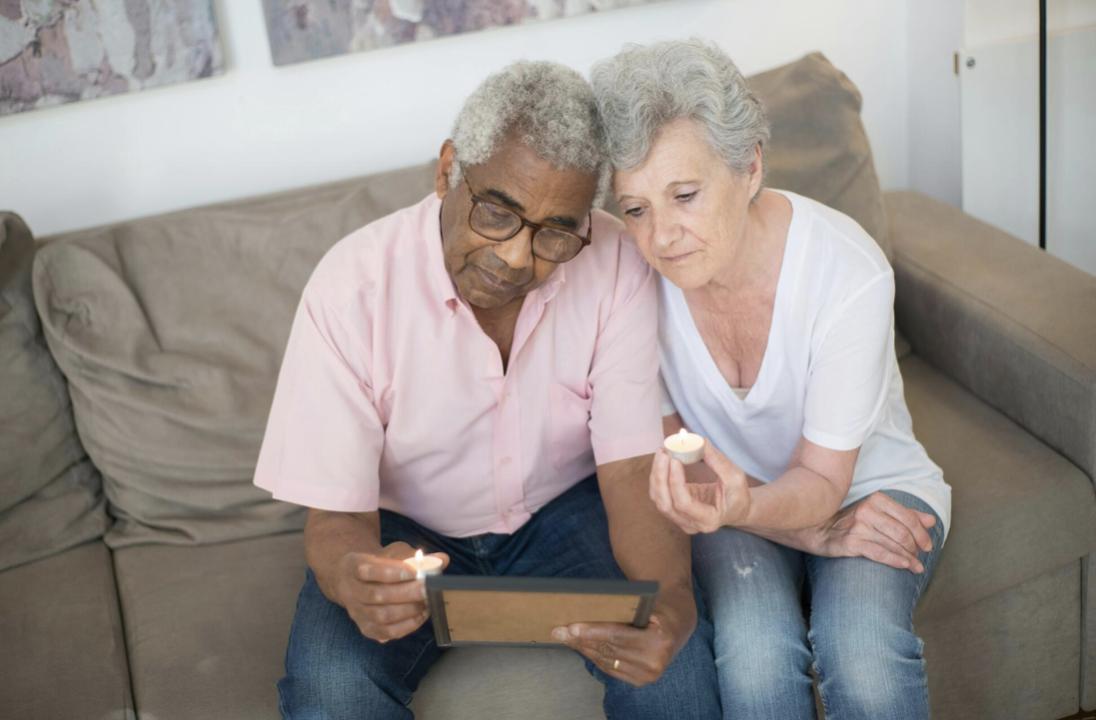
One of the biggest benefits of community activities is the chance to build friendships. Many seniors may face feelings of isolation, especially if they live alone or have limited family nearby.
Being part of a group allows them to share experiences and enjoy meaningful conversations. These social connections reduce loneliness and provide emotional support. They also help seniors feel valued and appreciated within their community.
Social ties can also encourage accountability. For example, when seniors make friends in an exercise class, they are more likely to attend regularly because they look forward to seeing familiar faces. This sense of belonging is one of the strongest motivators for staying engaged over time.
Improves Physical Health
Many community programs include gentle physical activities such as walking clubs, yoga, or chair exercises. These activities help seniors stay active in a safe way. Regular movement supports stronger muscles, better balance, and improved flexibility.
It can also lower the risk of falls and health issues such as heart disease or diabetes. Even light activity done in a group setting can be motivating and more enjoyable than exercising alone.
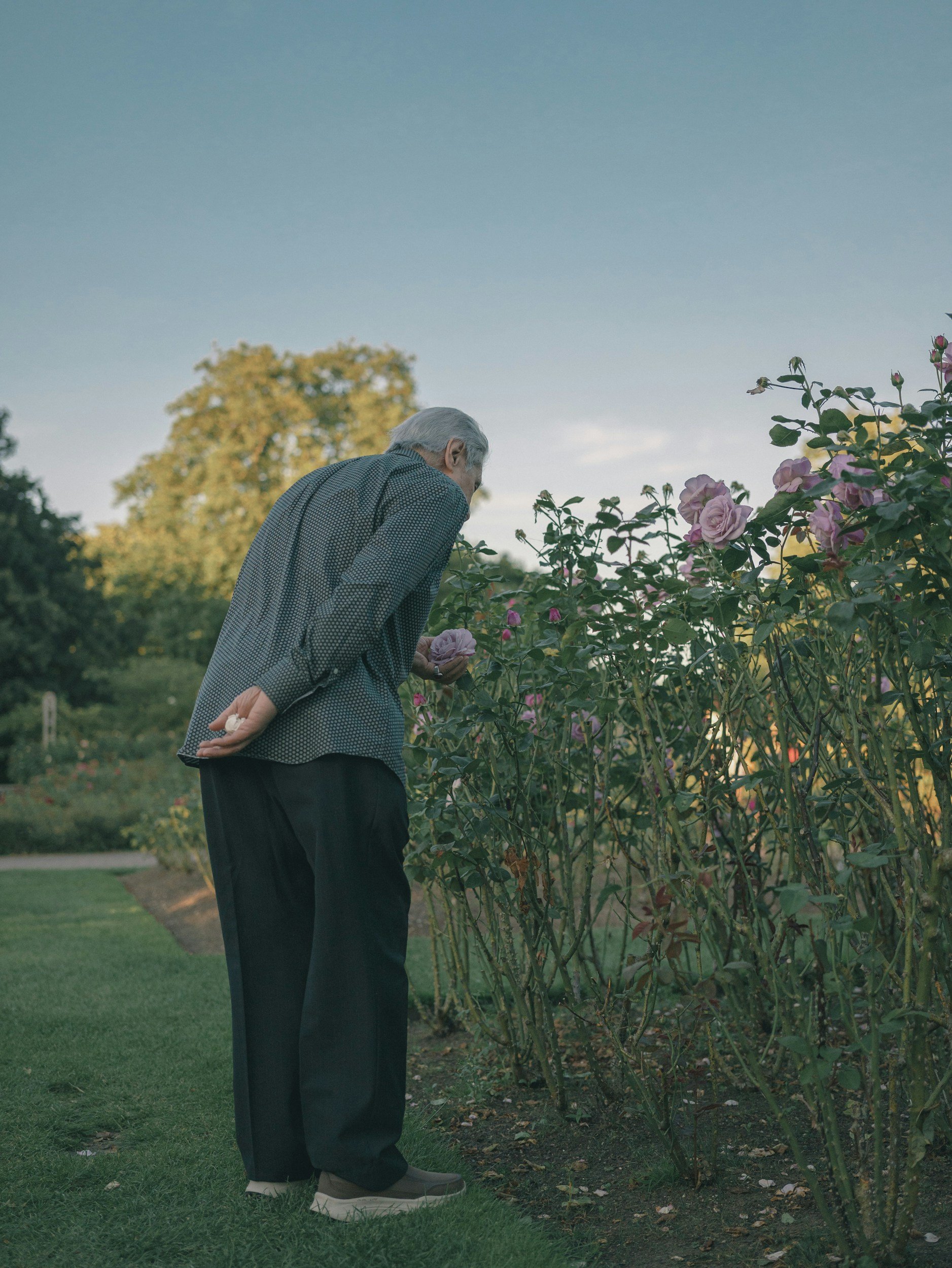
In addition to structured classes, everyday activities such as gardening or dance groups are often part of community programs. These not only provide exercise but also add fun and creativity to a senior's daily routine.
Boosts Mental and Emotional Well-being
Participating in activities that challenge the mind can keep seniors sharp and engaged. Games, book clubs, and art classes stimulate memory and creativity. At the same time, social interaction reduces stress and supports a positive mood.
It show that being part of a community can lower the risk of depression and anxiety. Seniors who join activities often report feeling happier, more confident, and more connected to others.
Provides a Sense of Purpose
Having a reason to look forward to each day makes life more meaningful. Community activities give seniors opportunities to contribute and feel involved. Volunteering, mentoring younger people, or sharing life stories can all create a sense of purpose.
For some, even small routines like attending a weekly group lunch provide structure and excitement. Many senior assisted living services recognize this benefit and design programs that encourage active participation.
Purpose is linked to better health outcomes. Seniors who feel useful often show more energy, improved outlook, and stronger resilience when facing challenges.
Strengthens Community Bonds
When seniors take part in community activities, it benefits not only them but also the wider community. Their knowledge, skills, and life experiences bring value to others.
Intergenerational programs, for example, allow seniors to connect with children or young adults. This exchange of wisdom and energy strengthens bonds across age groups. In turn, communities become more inclusive and supportive for everyone.
Learn All About Community Activities
Community activities are more than just fun pastimes for seniors. They are a vital part of staying healthy, happy, and engaged in life. From improving physical strength to supporting emotional well-being, these activities create lasting benefits.
They help seniors feel connected, valued, and purposeful. Encouraging older adults to join in community programs is one of the best ways to promote overall senior well-being.
Check the rest of our site for more!