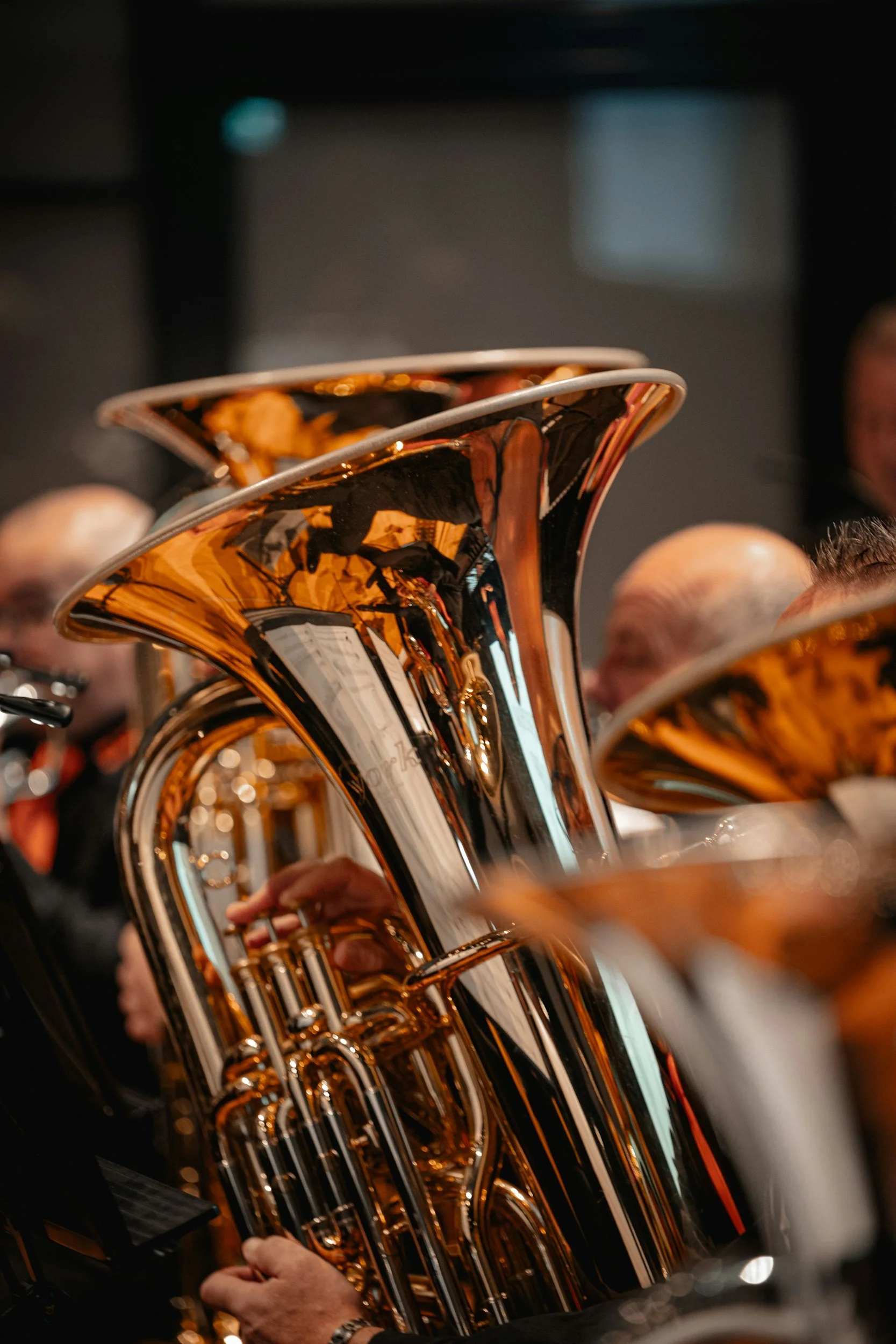
Discover the Power and Depth of the Tuba in Modern Music
Have you ever wondered how music gains its deep, grounding power? The secret often lies in the low, rumbling tones that support every note above.
Among these, the tuba stands as a true giant. Its deep voice brings warmth, strength, and harmony to countless musical forms.
From grand orchestras to modern bands, its sound is both steady and soulful. Though often unnoticed, it's essential to every ensemble's balance. By reading on, you'll uncover how this noble instrument continues to shape music's past, present, and future.
The Birth of the Tuba
The tuba first appeared in the mid-19th century, bringing a new depth to the musical world. It replaced older musical instruments like the serpent and the ophicleide, offering smoother tones and more control.
With its brass body and curved design, it quickly became the foundation of the modern orchestra's bass section. Musicians admired its ability to blend with both woodwinds and brass alike. Its versatility made it a favorite for composers seeking a strong, steady sound.
Early masters like Richard Wagner and Hector Berlioz used it to enrich symphonic textures. Since then, the tuba has earned lasting respect for its timeless contribution to harmony.
The Structure and Sound
The tuba's design plays a major role in creating its powerful tone. Its long brass tubing, when stretched out, can measure up to sixteen feet. This vast length produces the deep, resonant notes that define the instrument.
The wide bell allows its sound to spread smoothly across an orchestra or concert hall. Valve systems help players change pitch quickly while keeping tone quality rich and round. Its mellow timbre carries both warmth and dignity.
These features make the tuba not only a supporting instrument but a standout voice when needed. Few other instruments match its fullness and character.
The Tuba's Role in the Symphony Orchestra
In the orchestra, the tuba serves as the foundation of the brass family. It anchors the harmonies and supports the structure of every piece. Often paired with trombones and horns, it deepens the ensemble's sound and adds stability.
While it rarely plays the melody, its presence ensures every note above has a strong base. Conductors rely on it to balance the orchestra's lower register.
When used in solos, it can surprise audiences with a lyrical and graceful tone. Its role may seem quiet, but it is never minor. The orchestra's harmony depends greatly on its steady voice.
The Tuba in Military and Marching Bands
The tuba found another home in military and marching bands. Its deep sound helps drive the rhythm and keep the pace of parades and ceremonies. Over time, the sousaphone, a marching version of the tuba, became popular for its easy mobility.
Its large bell faces forward, projecting the sound toward the audience. In military music, it symbolizes power, order, and unity. It's clear, booming notes can carry over crowds and open spaces.
The instrument's strong rhythm keeps every performer in sync. This practical yet majestic role has kept it vital in band traditions for generations.
The Tuba in Jazz
In the early days of jazz, the tuba played a major part before the string bass took over. Its deep tones laid the rhythmic and harmonic foundation for bands in New Orleans and Chicago. It helped shape the pulse of early jazz, giving energy to every beat.
Even as the upright bass grew popular, some jazz groups kept the tuba for its distinct flavor. Modern jazz musicians have brought it back into the spotlight.
It blends tradition with innovation, creating rich textures in ensemble playing. The tuba's adaptability shows its strength across genres. Tubas continue to prove that deep sound can groove just as hard as any bass line.
The Tuba in Contemporary and Film Music
Today's composers often use the tuba in movie scores and modern compositions. Its wide range helps express emotions that range from heroic to tragic. In film, it underscores moments of suspense, grandeur, or even humor.
The tuba's ability to switch between dark and warm tones makes it invaluable. Modern recording techniques capture its sound in striking clarity. It now appears in everything from orchestral soundtracks to electronic blends.
Many contemporary musicians experiment with digital effects to expand their voice. The instrument's rich tone continues to evolve with the demands of today's creative world.
The Tuba as a Solo Instrument
While long viewed as an ensemble instrument, the tuba has earned solo recognition. Skilled players reveal its lyrical, expressive nature beyond its usual supporting role.
Composers now write pieces that highlight their range and agility. Solo performances display not just power, but elegance and sensitivity. Audiences are often surprised by its soft, singing quality in slower passages.
In concert halls, its deep resonance can fill the room with warmth and emotion. Competitions and festivals celebrate solo tuba artistry around the world. This rising appreciation gives the tuba its rightful place in the spotlight.
Teaching and Learning the Tuba
Learning to play the tuba requires both physical control and steady practice. Its large size means students must develop good posture and breath support. Early lessons focus on producing clear, even tones.
As technique improves, players learn scales, dynamics, and phrasing. Music teachers emphasize endurance and precision for long performances. Many young musicians begin in school bands before moving to orchestral training.
Guidance from experienced tutors helps build confidence and skill. With time and dedication, students discover the deep satisfaction of mastering such a commanding instrument.
The Tuba's Future in Modern Music
As music continues to evolve, the tuba remains relevant and inspiring. New compositions challenge players to explore their full expressive range. Digital media and global collaboration spread their influence to new audiences.
The rise of brass ensembles and solo recitals keeps its presence strong. It also plays a role in fusion genres that mix classical, pop, and world music. Educators and performers are ensuring the next generation values its unique sound.
Exploring the Rich History of the Tuba and Its Influence on Contemporary Music
The tuba stands as a symbol of musical depth, harmony, and endurance. It has shaped orchestras, bands, and modern compositions for nearly two centuries. Its ability to ground and enrich music remains unmatched.
Though often seen as humble, it commands great respect among musicians. From classical halls to jazz stages and film studios, its legacy continues to grow.
The tuba's rich tones remind listeners that true power often lies in quiet strength. Its deep notes connect the past with the present in every piece played.
Did you like this guide? Great! Please browse our website for more!