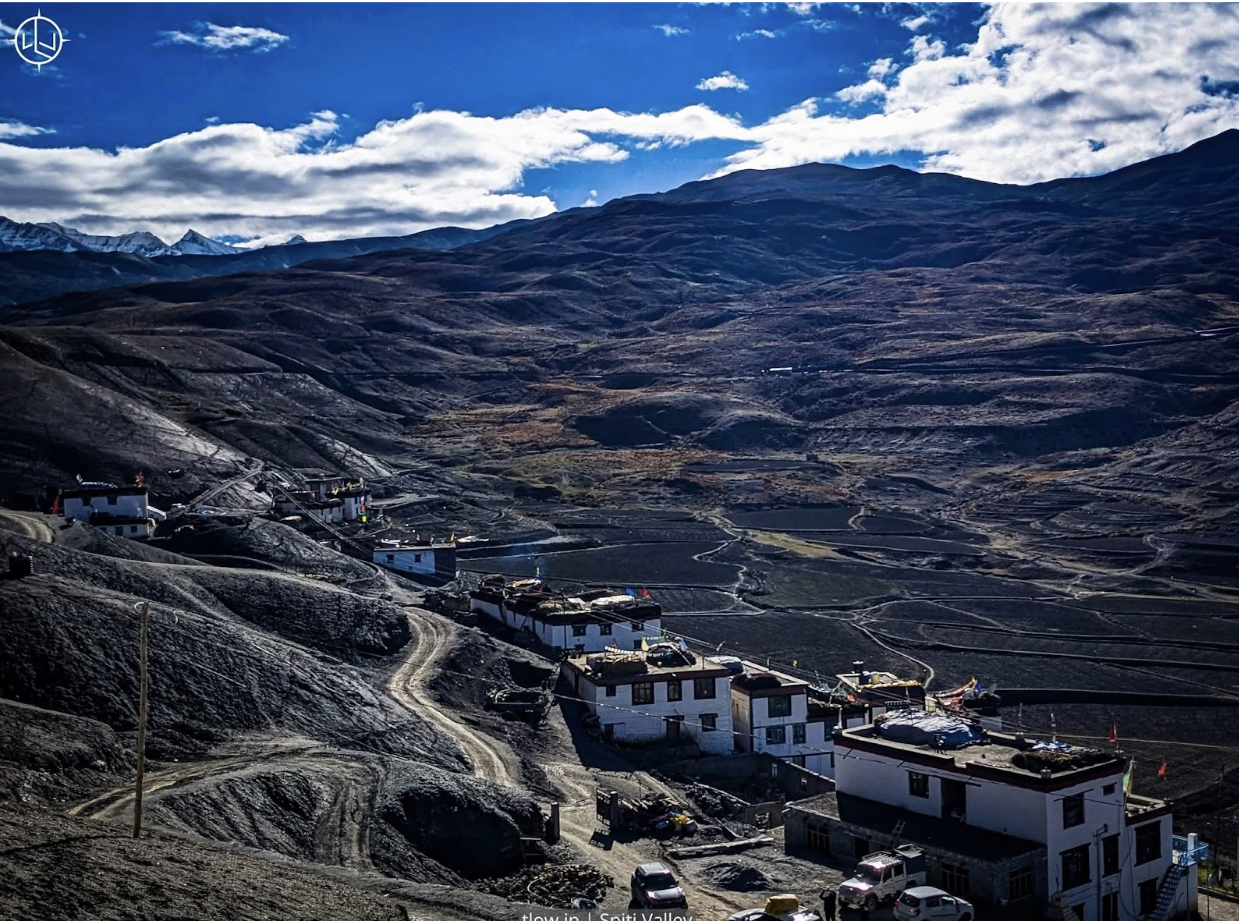
Backpacking Through Spiti Valley – In the Land of Wanderlust
There are journeys you plan, and then there are journeys that change you. Spiti Valley is one such journey. For a backpacker with wanderlust etched into their bones, Spiti is less of a destination and more of a calling; a place where dusty trails lead to self-discovery, where mountains don’t just tower, they teach. Welcome to Spiti with the Land of Wanderlust, where the air is thinner but your spirit feels lighter.
Why Spiti for Backpackers?
If you crave solitude, raw adventure, and the unfiltered experience of Himalayan life, Spiti checks every box. It’s untouched, unpolished, and unforgiving in the most beautiful way. The absence of luxury becomes the essence of the experience. As a backpacker, you trade five-star comfort for million-star skies, and Wi-Fi for real connections. And here’s the truth: Spiti doesn’t want tourists. Spiti invites seekers.
The Route: How to Reach Spiti
There are two primary routes to Spiti:
From Shimla (via Kinnaur) – Ideal for gradual acclimatisation. The roads are rugged but accessible for most of the year.
From Manali (via Rohtang Pass & Kunzum Pass) – Open typically from June to October, but extremely dramatic in landscape.
For backpackers, public transport (HRTC or private Volvo buses or shared taxis) is cheap, reliable, and an adventure in itself.
Backpacking Essentials for Spiti
Travel light, but smart – Pack layers. The weather can swing wildly.
Essentials: Power bank, water purifier, cash (ATMs are rare), basic meds, ID cards, and photocopies.
Backpacker’s Gear: A sturdy backpack, trekking shoes, headlamp, quick-dry clothes, reusable bottle, and sleeping bag (for homestay or monastery stays). Don’t chase the itinerary, chase the feeling.
Spiti on a Budget
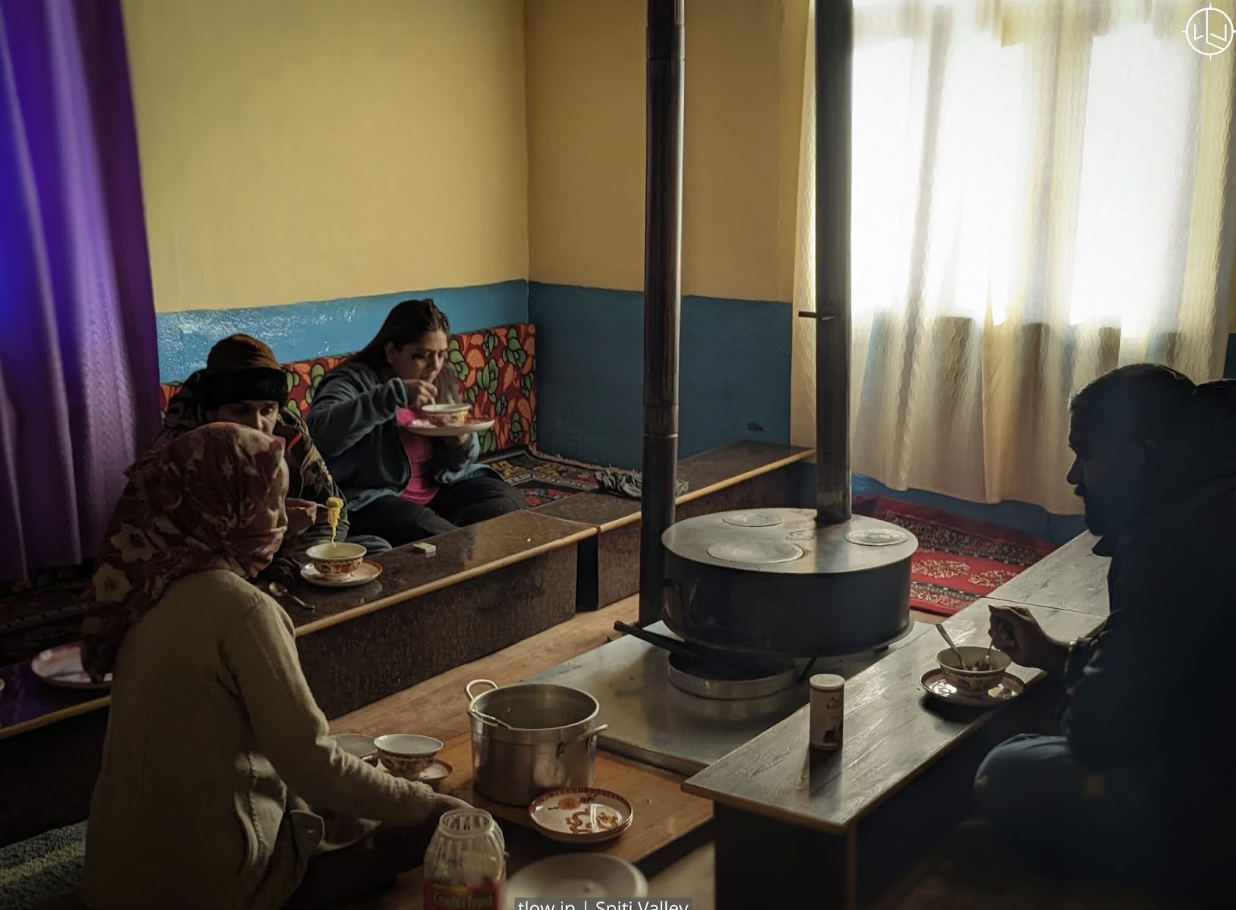
Backpacking Spiti Valley is affordable if you’re smart. You can stay at Homestays (₹500–₹800 per night), monasteries (some free, donations welcome), and budget guesthouses. The Food in Spiti Valley is Simple thalis, momos, and thukpa from local kitchens (₹100–₹200 per meal) or dhabas. Travelling in Spiti by hitchhiking is common and safe. Shared taxis or buses cost far less than private cabs. Now Spiti Valley has Connectivity all over. Airtel, Jio and BSNL work in most parts, but in certain places you’re off-grid. And that’s a blessing.
Backpacker’s Trail: Must-Visit Places
1. Kaza – The Backpacker Hub
The largest town in Spiti, Kaza, is your refuelling station. From cheap cafés and local markets to hostels filled with kindred spirits, this is where many plans are made and changed.
2. Key Monastery – Soul of the Valley
Perched like a fortress above the valley, it’s not just a monastery, it’s an experience. Stay overnight with the monks if you can. Wake to chants, cold air, and hot butter tea.
3. Langza – Fossils & Stargazing
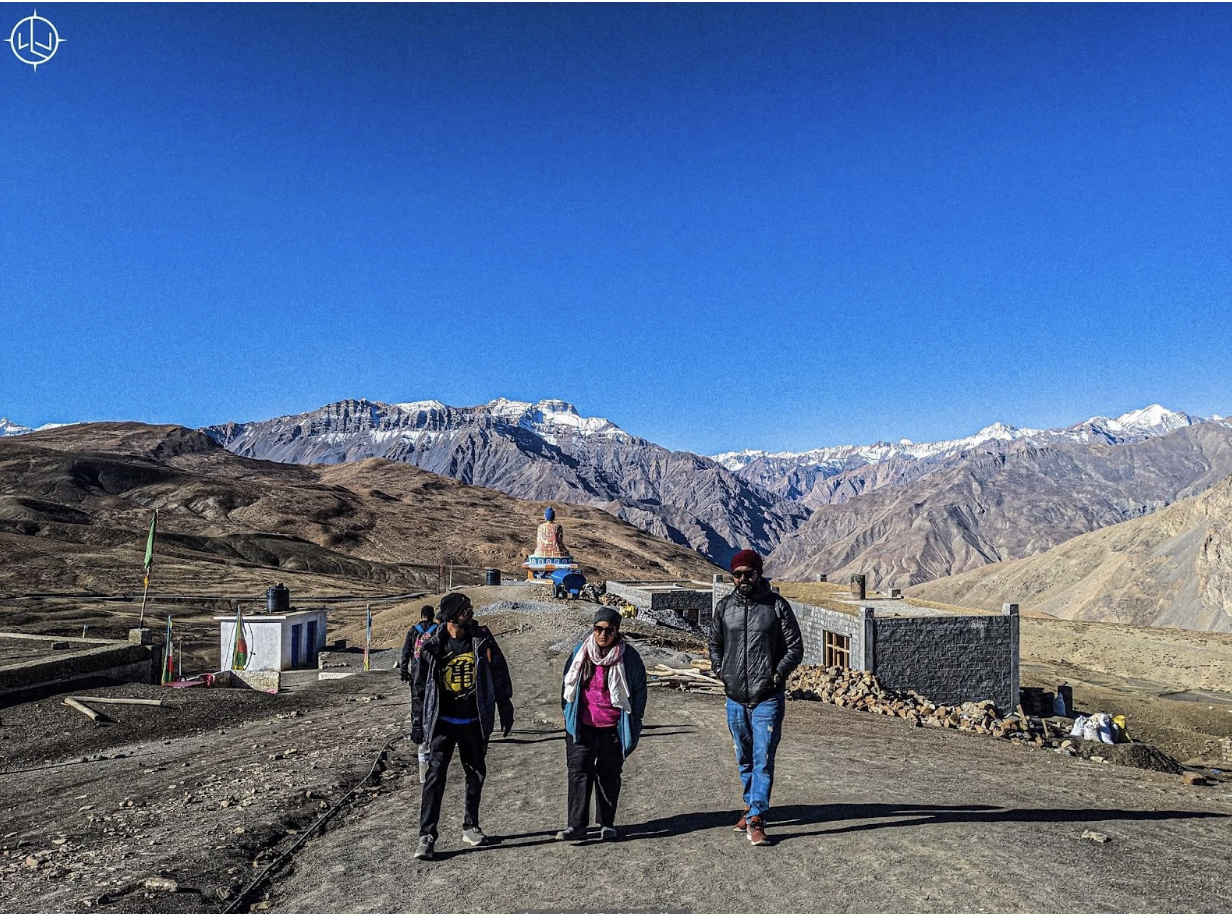
A quiet village beneath a massive Buddha statue. The night sky here is poetry. Look for ammonite fossils, or better, just lie on your back and feel time disappear.
4. Hikkim – Send a Postcard
Home to the world’s highest post office. Drop a note to your future self or someone you love. It’ll take weeks to arrive, but it’ll carry stories no Instagram post ever will.
5. Komic – Highest Village with a Road
Remote, raw, and ridiculously beautiful. Don’t miss the Tangyud Monastery and the silence that lingers long after the wind stops.
6. Dhankar – Cliffhanger Views
The old monastery here clings to a crumbling cliff with views that feel unreal. The lake above, reached by a steep trek, is often deserted, just you and the mountains.
7. Chandratal Lake – The Final Reward
If heaven has a mirror, this might be it. Camp here under the stars (bring a good sleeping bag, it’s freezing even in summer) and just be.
The Backpacker Mindset: What Spiti Teaches
Detachment: Let go of control. Schedules here bend to the will of weather and roadblocks.
Presence: You learn to live moment to moment, measuring time not in hours, but in sunsets, conversations, and cups of chai.
Gratitude: For warm meals, stranger’s smiles, and the breath you didn’t realize you were holding until you saw the valley stretch endlessly ahead.
Challenges to Embrace
Altitude: Stay hydrated and ascend gradually.
Isolation: No network, no noise. It can be unnerving, but it’s the detox you didn’t know you needed.
Minimalism: Life is stripped to basics, cold water, solar power, and candle-lit dinners. And yet, you feel fuller.
Spiti Isn’t a Place, It’s a Feeling
Backpacking Spiti isn’t about conquering miles; it’s about surrendering to the vastness. It’s sitting beside a prayer wheel, spinning it not for wishes, but for peace. It’s finding laughter in language barriers and warmth in the coldest of winds. This is not the kind of place you “do.” It’s the kind you absorb.
Tips from the Trail
Don’t overpack plans. Keep days open for the unplanned.
Travel slow. Stay longer in fewer places.
Talk to locals. They’ll show you the Spiti you can’t Google.
Respect. The environment. The culture. The silence.
In the End…
When you leave Spiti, you won’t return the same. The dust will cling to your boots, the sky to your dreams, and the silence to your soul.
In this land of wanderlust, you’ll lose your way and find yourself.