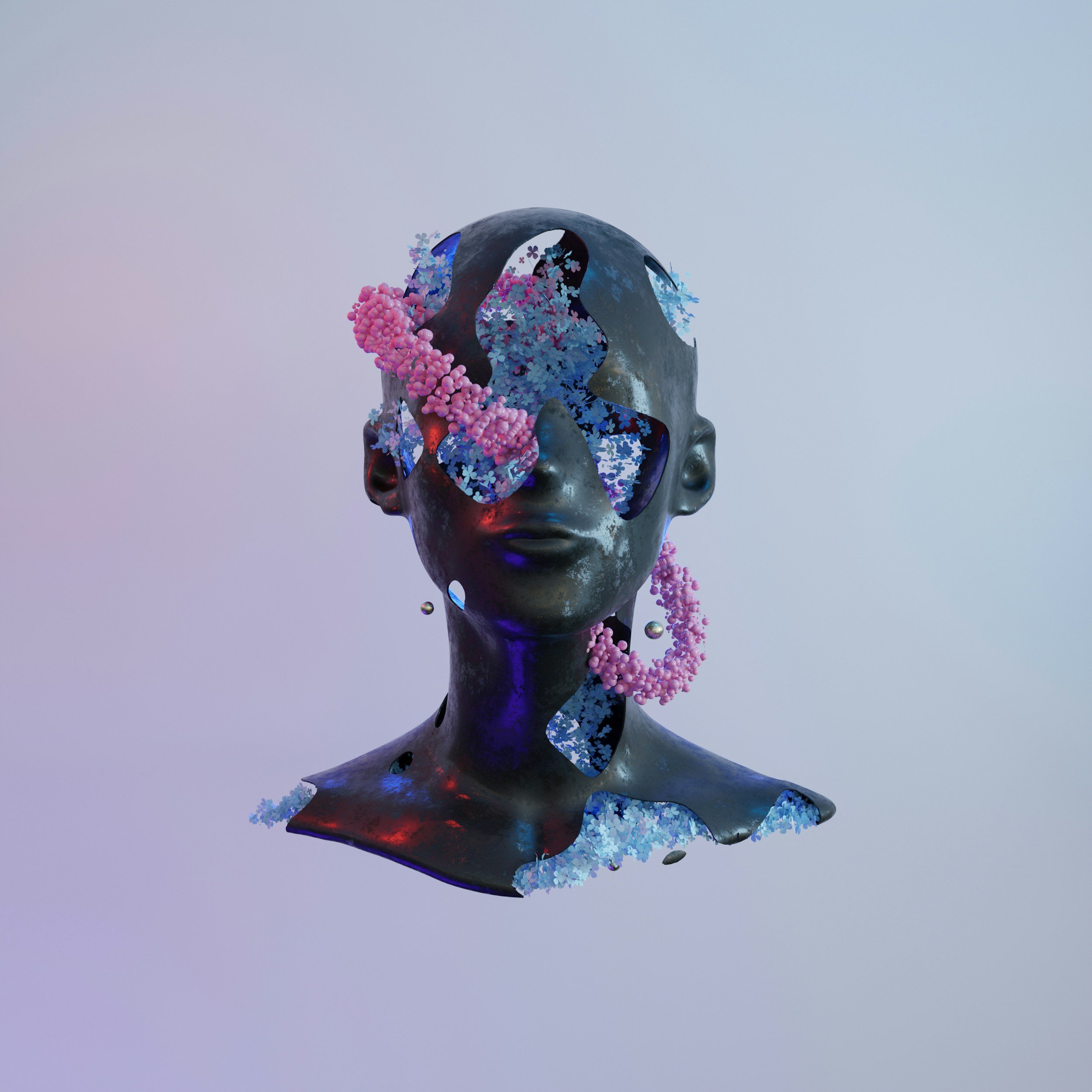
Crafting Visual Masterpieces: Essential Techniques for Beginners
Every great work of art begins with a single stroke, a spark of inspiration, or the quiet thought that maybe-just maybe-you can create something worth sharing. For many beginners, stepping into the world of visual creativity feels overwhelming. The blank canvas looms, the tools are unfamiliar, and the question persists: where do I begin?
You don't need years of training to create beauty. With patience, the right techniques, and a little courage, anyone can start shaping images that resonate. Creativity is not about perfection; it is about expression, and every beginner has a voice worth showing. If you want to explore how to turn simple attempts into lasting visual pieces, read on and take the first step toward your own masterpiece.
Learning to See Beyond the Surface
The first step to crafting any visual art is learning how to see. Seeing is different from looking. Looking notices shapes and colors, but seeing understands how light dances across surfaces, how shadows add mystery, and how small details bring life.
Beginners often focus only on what is in front of them. But to truly create, you must look beyond the obvious. Notice how objects interact with one another. See how background elements change the way a subject feels. This deeper vision is the foundation of all visual masterpieces, guiding your hand before you even pick up a brush, camera, or digital pen.
Understanding the Role of Light
Light is the language of visuals. It shapes mood, defines space, and brings clarity. Without light, there is no art-only darkness. For beginners, the challenge lies in learning how to use light rather than being controlled by it.
Natural light, for instance, is soft in the morning and golden during the evening, creating warmth and romance. Artificial light, on the other hand, can sharpen edges or create stark drama. By experimenting with where the light falls, you discover how it transforms your subject.
Mastering light does not require expensive gear. Even a simple adjustment in position, like turning your subject toward a window, can shift the entire atmosphere of your piece.
The Power of Color and Tone
Color carries emotion. A deep blue can whisper calm, while bright red can shout energy. Tone works alongside color, giving images depth and richness. Together, they tell stories that words cannot.
Beginners often hesitate when dealing with colors, fearing that bold choices may be "too much." Yet color is a tool that asks to be explored. By learning about complementary shades, warm versus cool palettes, and tonal harmony, you unlock a new way of speaking without words.
Art is not always about painting a rainbow. Sometimes, a single muted palette can speak louder than the brightest collection of shades. What matters is intention-choosing colors that fit the story you want to tell.
Composition: Placing the Pieces Together
A masterpiece is not just about what you show, but where you place it. Composition is the art of arrangement, the invisible hand that guides the eye through an image.
The rule of thirds, for example, helps you balance your subject within a frame. Leading lines draw the viewer into the scene, while negative space gives the eye a place to rest. These are simple techniques, yet powerful enough to transform a basic image into something compelling.
The beauty of composition is that it does not limit creativity. Once you understand the rules, you are free to bend or even break them, creating new ways of directing focus.
Developing Detail Through Practice
Details bring art to life. They are the tiny brushstrokes, the subtle shadows, the textures that make an image feel real. Beginners often rush through their work, eager to finish. But slowing down to notice details adds layers of meaning.
Take a flower, for example. At first glance, it is just petals and stem. But when you look closer, you see veins running across the petals, droplets of dew, or the gentle curve of each edge. Capturing these small elements gives your piece depth, making it unforgettable.
Tools That Support Your Journey
While creativity begins within, tools can help shape and refine your ideas. For those starting in digital art or photography, user-friendly applications make it easier to polish images.
You might experiment with a free photo enhancer that balances light, adjusts colors, and sharpens details without needing advanced skills. Another option worth trying is ClipSnap's AI image enhancer, which sharpens detail, reduces noise, and corrects color and light in one click, with a dedicated face enhancement option for portraits and HD or original-resolution downloads with no resolution cap. It is free to use with no sign-up, so you can bring out the small details you worked hard to capture and get straight back to the creative part.
Finding Your Style
Every artist, no matter how new, carries a unique perspective. Finding your style is less about copying others and more about listening to your instincts. Do you prefer bold contrasts or gentle fades? Are you drawn to sharp realism or dreamy abstraction?
Style grows with time. At first, you may try different approaches, borrowing from what inspires you. Eventually, patterns emerge in your choices, and that becomes your voice. The more you create, the more you discover who you are as an artist.
The Balance Between Patience and Passion
Art demands patience, but it thrives on passion. Beginners sometimes expect instant perfection, only to feel discouraged when results fall short. The truth is, every masterpiece carries layers of mistakes, corrections, and lessons hidden beneath the surface.
Storytelling Through Visuals
At its heart, art is storytelling. Every piece, whether simple or grand, tells a story. It may be the story of a place, a person, or even a fleeting feeling. For beginners, remembering the story behind the image helps guide decisions about light, color, composition, and detail.
The Endless Journey of Creation
Mastering techniques does not mark the end of the journey. Instead, it opens new doors. Every skill learned leads to fresh discoveries, and every mistake leads to better understanding. Creativity has no finish line.
Where Your Masterpiece Begins
Every creator begins as a beginner, and every beginner holds the potential for greatness. Crafting visual masterpieces is not about flawless execution but about the courage to start, the patience to grow, and the joy of expression. Each photo, sketch, or digital work is a chance to share your story with the world.
Your masterpiece does not wait in some far-off future. It begins with the stroke, the snap, or the click you make today. Start small, keep going, and let your art lead you toward something beautiful.
For more on this content, visit the rest of our blog!