Strategies for Deploying Solar Surge Protectors for Scalable and Safe PV System Installations
With the world continuing to break records in solar energy adoption, the safety, reliability, and durability of photovoltaic (PV) systems stand as a leading concern for engineers, project developers, and system integrators. One of the most notable parts of this safety puzzle is the solar surge protector, which provides solar infrastructure with over voltage protection against transients.
For B2B companies in the solar development solar space, especially in lightning prone areas or areas with unstable grids, the right selection and implementation of surge protection policies can be an operational game changer or a cause for severe equipment damage. In many solar markets (like India), the overwhelming demand is leading to a more competitive environment among surge protection device manufacturers in India, who are now emerging as a strong player in the success of renewable projects.
In this article we will study strategic planning of solar surge protector deployment devices for scalable PV installations, including site study, manufacturer’s selection, configuration standards, and provisions for dealing with unscrupulous manufacturers.
Reasons Why Surge Protection Is Crucial in PV Installations
PV installations, which include rooftop, commercial, and utility-scale systems, have intricate wiring alongside open DC cabling subject to weather conditions. These systems are prone to overvoltage from lightning, whether it's a direct or indirect strike, and switching actions in the grid.
In the absence of appropriate protection, just a single surge event can:
Impair inverters and MPPT controllers
Deteriorate cables and connectors
Halt power generation
Wipe out equipment warranties
Result in costly repairs or replacements
A solar surge protector plays an essential role here. These devices are specifically intended to protect solar components by channeling hazardous surge voltages to the ground. For B2B organizations responsible for several installations—or scaling operations—surge protection requires thoughtful consideration starting from the design phase. In contrast, other components can be considered optional.
Site Evaluation - Risk Protection Evaluation
Each PV site has unique specificities, making a generic surge protection strategy insufficient. Project managers in side businesses must perform a tailored site evaluation at each location to gather information on lightning strikes and shielding offered by nearby tall structures, location height and landforms, power grid characteristics and their electrical switching activity, and cable length and structure:
Lightning density index (Isokeraunic level)
Proximity to tall structures or open fields
Elevation and geography
Grid stability and frequency of switching events
Cable lengths and routing patterns
These parameters aid in determining the position of surge protectors whether it be on the DC side, AC side, or both. Conversely, a class or type must be defined for every position. Qualified surge protection device manufacturers in Indiaoften provide free technical consultations which enable clients to conduct precise evaluations and give custom propositions.
Optimizing Solar Projects with the Right Surge Protection Devices
Typically in solar applications, SPDs are installed on both sides of the inverter. The type of SPD chosen is based on several considerations including level of voltage supplied, maximum current supplied, speed of mechanical response, and degree of safety approval awarded.
DC Side Protection
The PV system’s DC side is particularly at risk because of long cable runs and direct exposure to environmental surges. In this case, Type 2 SPDs are used most often and must be voltage rated for the system, which is usually 600V, 1000V or 1500V DC.
Look for the following features in a high quality DC SPD:
High discharge capacity (kA rating)
A low voltage protection level (Up)
Safety thermal disconnects
Visual and remote status indicators
AC Side Protection
Once the DC current is inverted into AC, as done by the inverter, more protection is needed before the energy is either fed to the grid or sent to the load. Again for the AC side, Type 2 SPDs are usually adequate, but in more hazardous areas, a Type 1 + 2 combination may be suggested.
For solar plants, B2B developers need to look out for SPD manufacturers in India for surge protection device modular solutions that work with multiple inverter brands and different electrical setups.
Installation Best Practices for Scalable Solar Projects
Deploying solar surge protectors at scale requires careful and strategic planning concerning performance and code compliance. Consider the following best practices:
Positioning
To minimize connecting wire length and impedance, SPDs must be fitted as close as possible to the equipment it protects, which includes inverters, combiner boxes, and junction boxes.
Lead Lengths
Protection improves when the connection leads between the SPD and the protected device are shorter. Remember to keep wire lengths symmetric and twisted, where necessary, to minimize induced voltage loops.
Earthing and Bonding
A dependable grounding system is essential. All SPDs must be bonded to the common earth point with low resistance, and periodic inspections need to be scheduled to guarantee that the earthing effectiveness is not compromised.
Swappable Modular Mounting
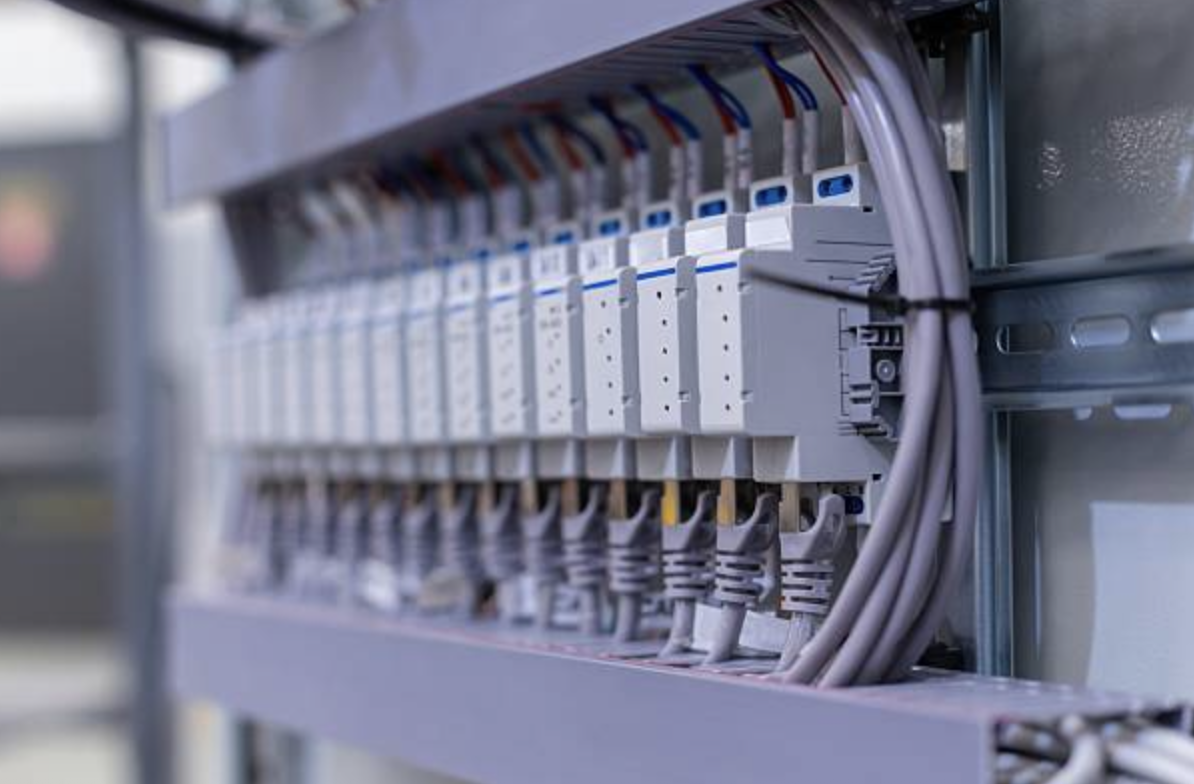
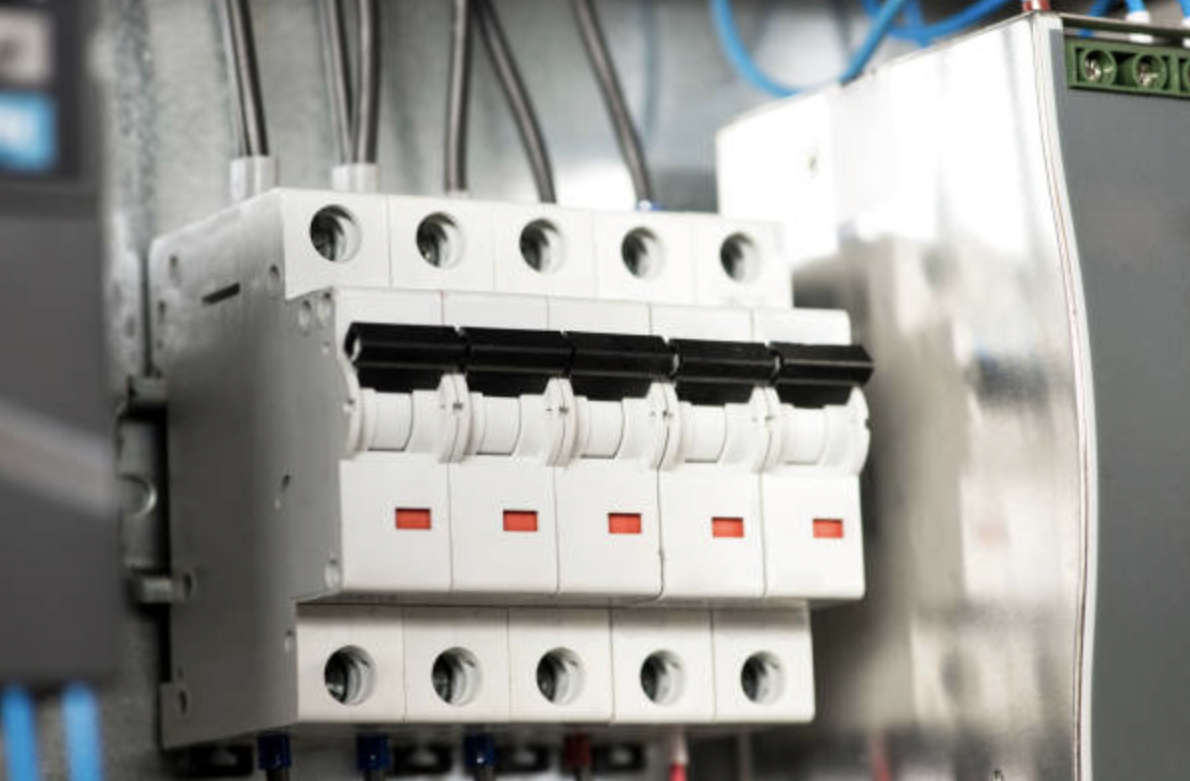
Modular DIN-rail mounted SPDs with swappable parts facilitate effortless attachment and removal, greatly enhancing scalability and minimizing system downtime. This allows projects to improve their protective capacities while expanding the overall project.
Maintenance and Monitoring
Smart SPDs equipped with sophisticated remote monitoring systems grant enhanced control over maintenance in extensive installations. Advanced warning of approaching end-of-life signals enables replacement in a timely manner, eliminating the uncertainty surrounding when the device will fail.
Regulatory Compliance and Industry Standards
While procuring surge protection devices for solar installations, always check that items comply with applicable regional and international standards. The most important ones include:
IEC 61643-31/32 – International standard for SPDs for DC and AC systems
UL 1449 – American standard for surge protection
IS/IEC 62305 – Indian standard for lightning protection
By observing these benchmarks, B2B developers can simplify project approvals, reduce possible risk, and increase their eligibility for equipment warranty extensions. Working with well-known surge protection device manufacturers in Indiawith a focus on thorough testing and certification provides assurance regarding the reliability and safety of every installation.
Partnering with the Right Manufacturer
A surge protection plan relies heavily on the provider’s technical savvy. In addition to the product, the manufacturer should provide:
Engineering support tailored to specific needs.
Rapid completion of large volume orders.
Maintenance of spares for extended periods.
Technical training and documentation.
Adequately responsive support after sale.
Consistent quality throughout diverse projects builds trust and simplifies sourcing when partnered with a reputed manufacturer. There is a growing trend among Indian manufacturers of surge protection devices to offer these features as custom-made solutions to solar EPCs, OEMs, and energy developers intending to expand their business nationally, and internationally.
Moreover, digital manuals uploaded online and accessible through QR codes, compatibility with monitoring tools, as well as options for modification of available systems and parts have become mandatory for elite suppliers.
Conclusion: The Future of Safe and Scalable PV Installations
With the increasing incorporation of solar energy into the energy sector, attention to the safety and operational efficiency of the system has equally risen among B2B participants. To decrease vulnerabilities, safeguard important assets, and enable easy scaling of PV system deployment, a reliable solar surge protector plan must be integrated from the outset.
The knowledge of system designers and experienced surge protection device manufacturers in India is developing a new generation of intelligent, modular, robust SPDs specifically designed for solar energy environments.
Making photovoltaic (PV) infrastructures better by focusing on quality, compliance with standards, and engineering of performance, businesses can construct PV infrastructures that are not only energy efficient, but also surge resilient. This ensures progress towards a reliable and sustainable future.