A Slow Traveler’s Guide to Tuscany: Hill Towns, Vineyards, and Countryside Views
Tuscany is one of those places that seems to exist in a permanent golden hour. The roads curve between olive groves and cypress trees, medieval villages sit high above the valleys, and every meal feels like it belongs to the landscape around it. It is a region that rewards travelers who are willing to slow down, wander without rushing, and let each day unfold around good food, beautiful scenery, and a strong sense of place.
For many travelers, Tuscany begins with Florence. It is hard to imagine a better introduction to the region than walking through streets shaped by Renaissance art, stopping in quiet churches, crossing the Ponte Vecchio, and ending the day with a view over the city from Piazzale Michelangelo. Florence is full of world-famous museums and architecture, but it is also a city of simple pleasures: a morning espresso at the counter, a market lunch, an evening stroll through narrow stone lanes as the light softens.
But as unforgettable as Florence is, Tuscany truly opens up once you leave the city behind.
Why Tuscany Is Made for Slow Exploration
Tuscany is not a destination that needs to be packed with back-to-back sightseeing. In fact, the region is often at its best when you build in space between plans. A short drive can lead to a hilltop village, a roadside viewpoint, a family-run trattoria, or a small vineyard where the pace of the day feels completely different from life at home.
This is part of what makes Tuscany so memorable. The region is not just about one major city or one famous landmark. It is a collection of landscapes and local identities, each with its own rhythm. The rolling hills of Chianti feel different from the dramatic open scenery of the Val d’Orcia. Siena has a different atmosphere than Lucca. San Gimignano, with its medieval towers, feels like stepping into another century, while the countryside around Montalcino invites you to linger over long views and even longer lunches.
For travelers who love scenic drives, small towns, local food, and meaningful cultural experiences, Tuscany is one of the most rewarding regions in Italy to explore.
Florence: The Cultural Starting Point
Florence is the natural starting point for many Tuscany itineraries, and for good reason. It is compact enough to explore on foot but rich enough to fill several days. The city’s art and architecture are world-renowned, from the Duomo and Uffizi Gallery to the sculptures, piazzas, and palaces that seem to appear around every corner.
Even if you only have a short time in Florence, it is worth slowing down rather than trying to see everything. Choose a few meaningful highlights, then leave room for wandering. Visit a market, step into smaller churches, walk along the Arno, and take time for a relaxed dinner rather than rushing from one attraction to the next.
Florence is also a great place to get your bearings before heading into the countryside. Once you have experienced the art, history, and energy of the city, the surrounding hills feel even more peaceful by contrast.
Siena: Medieval Streets and Timeless Atmosphere
South of Florence, Siena offers a completely different side of Tuscany. Where Florence feels grand and artistic, Siena feels intimate, medieval, and deeply atmospheric. Its historic center is a maze of narrow streets that eventually lead to Piazza del Campo, one of Italy’s most beautiful public squares.
Siena is the kind of place where you do not need a complicated itinerary. Walk slowly, look up often, and let the city reveal itself. The Siena Cathedral is a must-see, but so is the experience of simply sitting in the piazza, watching daily life move around you.
For travelers who want to combine culture with countryside, Siena also makes a wonderful base. From here, you can explore nearby villages, vineyard landscapes, and some of Tuscany’s most iconic rural scenery.
San Gimignano: Towers, Views, and Medieval Charm
San Gimignano is one of Tuscany’s most recognizable hill towns, known for the medieval towers that still rise above its skyline. It is popular, and it can get busy during the day, but there is a reason travelers continue to seek it out. The town is beautiful, compact, and filled with viewpoints over the surrounding countryside.
To enjoy San Gimignano at its best, try visiting earlier in the morning or later in the afternoon. Once the busiest part of the day has passed, the town becomes easier to appreciate. Wander the side streets, climb to a viewpoint, and take time to enjoy the contrast between the stone architecture and the soft hills beyond the walls.
San Gimignano is also a good reminder that Tuscany’s appeal is not only in its major cities. Some of the region’s most memorable moments happen in smaller places where the landscape and history feel closely connected.
Val d’Orcia: Tuscany’s Iconic Countryside
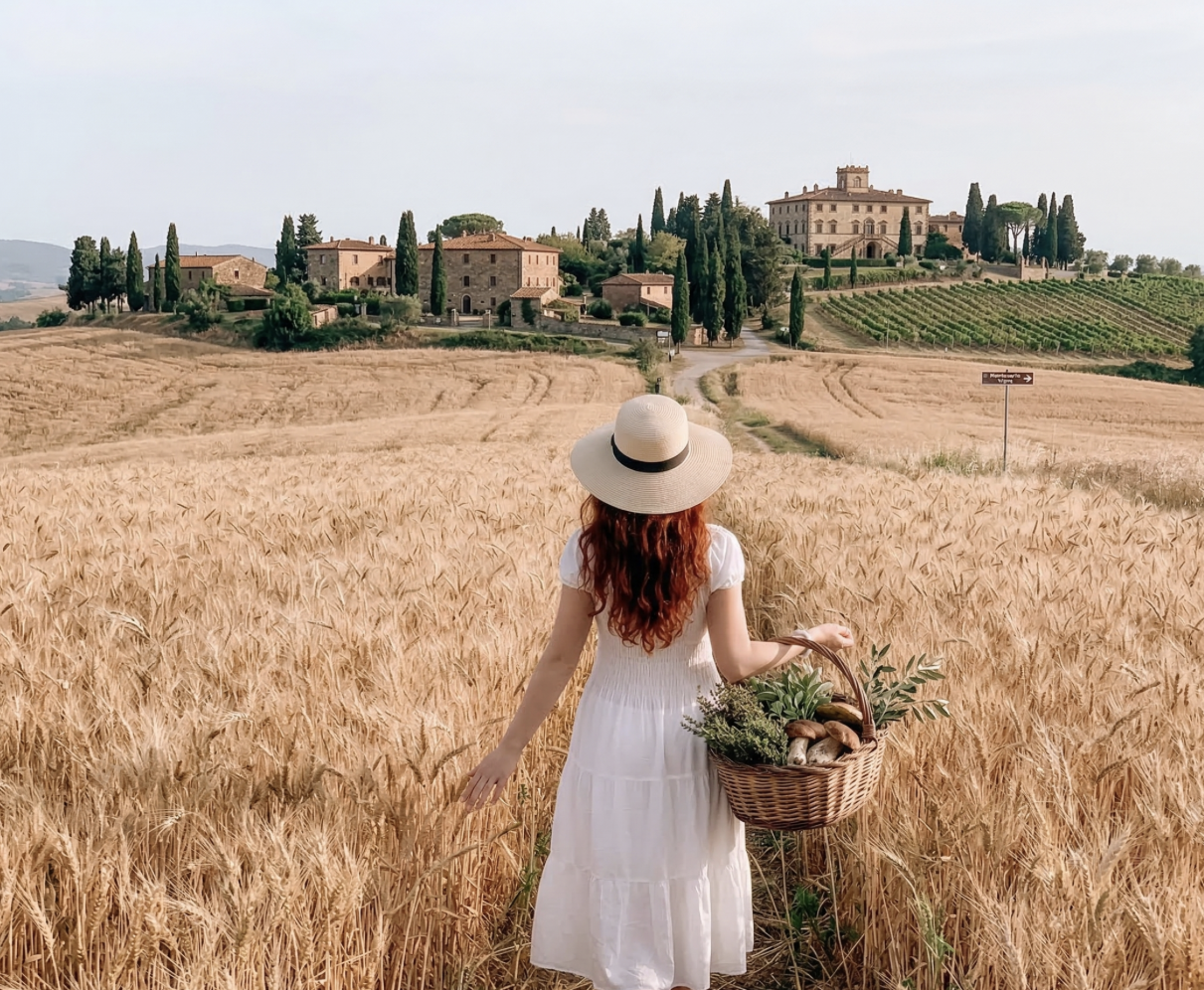
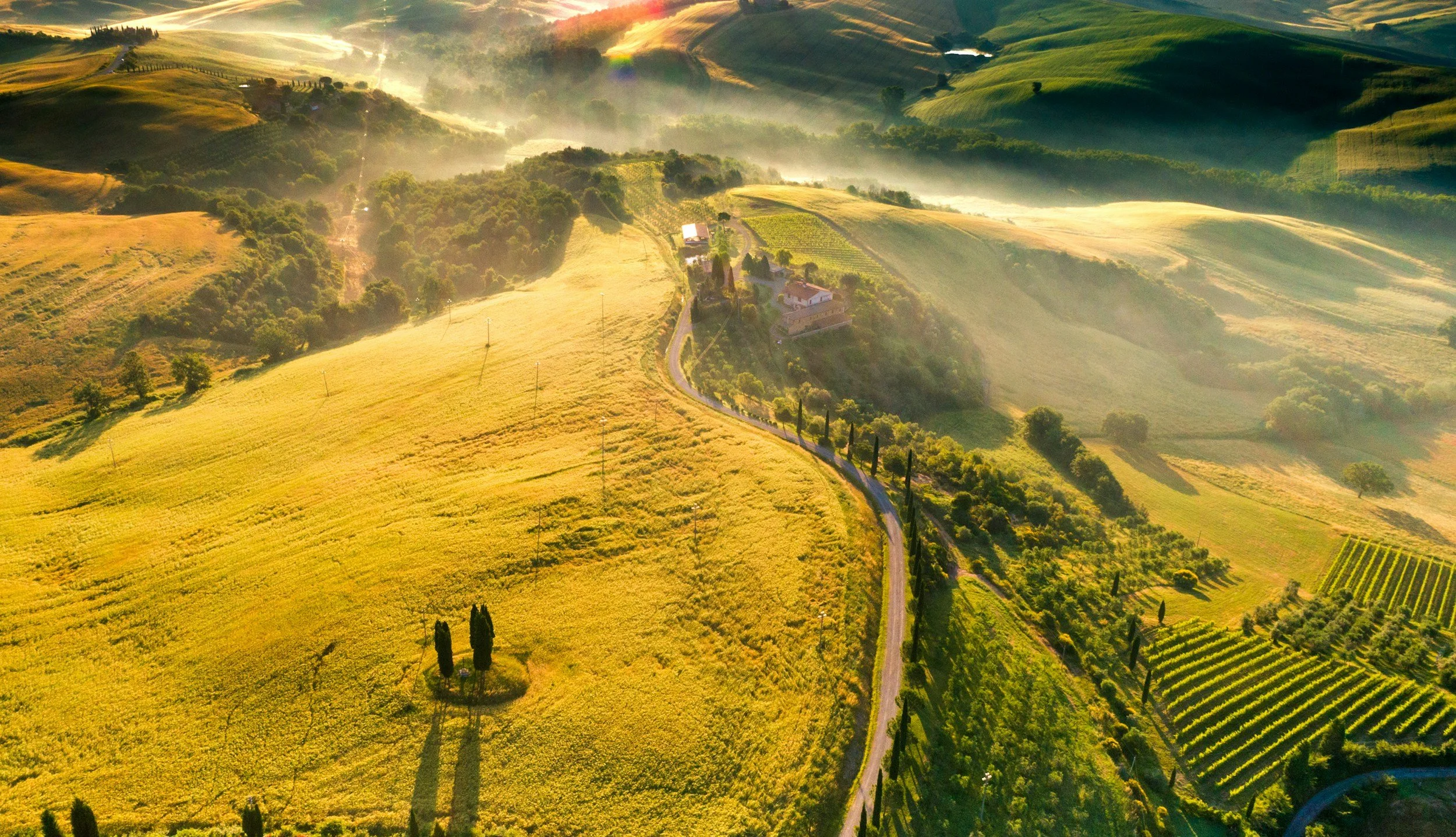
If you have ever seen a postcard of Tuscany with rolling hills, winding roads, and rows of cypress trees, there is a good chance it was inspired by the Val d’Orcia. This area south of Siena is one of the most scenic parts of the region and a dream for travelers who love photography, road trips, and quiet countryside views.
Towns like Pienza, Montalcino, and Montepulciano make excellent stops in this area. Each has its own character, but all share that unmistakable Tuscan mix of history, food, wine, and sweeping views. Pienza is known for its harmonious Renaissance design and beautiful overlook. Montalcino is closely tied to Brunello wine. Montepulciano offers steep streets, grand buildings, and classic Tuscan atmosphere.
The best way to experience the Val d’Orcia is not to rush through it. Give yourself time to drive slowly, stop often, and enjoy the changing light. The landscape is part of the experience.
Wine as a Window Into Tuscan Culture
Wine is woven deeply into the Tuscan landscape, but visiting wine country here is not only about what is in the glass. It is about understanding the relationship between the land, the villages, the food, and the families who have shaped the region over generations.
A vineyard visit can be one of the best ways to slow down and connect with Tuscany more meaningfully. Instead of treating wine tasting as a quick stop, think of it as a cultural experience. Many estates are set among beautiful hills, historic buildings, and working farms. A thoughtful visit can include a walk through the vineyards, a cellar tour, a conversation about local traditions, and a meal that brings everything together.
For travelers planning a wine-focused trip, it helps to understand the different areas before choosing where to go. Chianti, Montalcino, Montepulciano, Bolgheri, and the countryside around San Gimignano all offer different styles of scenery and wine experiences. This guide to the best wineries and vineyards to visit in Tuscany is a useful starting point for deciding which estates and regions best match the kind of trip you want to create.
Chianti: Classic Tuscany Between Florence and Siena
Chianti is one of the easiest wine regions to include in a Tuscany itinerary, especially if you are traveling between Florence and Siena. The area is known for its rolling hills, vineyards, olive groves, and small villages. It is also one of the places where the visual idea of Tuscany feels most alive.
A day in Chianti might include a scenic drive, a stop in Greve in Chianti, lunch at a countryside restaurant, and a visit to a winery. But again, the key is not to overplan. The beauty of Chianti is in the movement between places: the winding roads, the hilltop views, the stone farmhouses, and the feeling that every turn reveals another beautiful scene.
Chianti is especially good for travelers who want a countryside experience without getting too far from Tuscany’s main cities.
Lucca and Pisa: A Different Side of Tuscany
While many travelers focus on Florence, Siena, and the wine country, Lucca and Pisa offer another worthwhile direction. Pisa is famous for the Leaning Tower, but the surrounding Piazza dei Miracoli is the real highlight, with its striking collection of historic architecture.
Lucca, nearby, is quieter and often more relaxed. Its intact Renaissance walls create a unique walking and cycling route around the city. Inside the walls, Lucca is filled with charming streets, small piazzas, churches, and cafes. It is a lovely place to spend a slower day, especially if you want a break from the more heavily visited parts of Tuscany.
Together, Lucca and Pisa can add variety to a Tuscany itinerary, especially for travelers who enjoy historic cities but prefer a slightly softer pace.
How to Plan a Tuscany Trip That Feels Balanced
One of the biggest mistakes travelers make in Tuscany is trying to see too much in too little time. The region looks compact on a map, but the best experiences often come from lingering. Rather than changing hotels every night or squeezing in too many towns, choose a few bases and explore from there.
A balanced Tuscany itinerary might include a few days in Florence, a few days in the countryside near Siena or the Val d’Orcia, and perhaps a final stop near Lucca or the coast. This gives you a mix of art, history, scenic drives, small towns, vineyards, and downtime.
It is also worth thinking carefully about transportation. A car is extremely helpful for exploring the countryside, especially if you want to visit smaller villages and wineries. However, in Florence and other historic centers, walking is usually the best option. Many travelers choose to spend their city days without a car, then rent one when they are ready to head into the countryside.
When to Visit Tuscany
Tuscany is beautiful throughout much of the year, but spring and fall are especially appealing. Spring brings green hills, wildflowers, and pleasant temperatures. Fall offers harvest season energy, golden landscapes, and a cozy food-and-wine atmosphere.
Summer can be beautiful, but it is also hotter and busier, especially in the most popular towns and cities. If traveling in summer, plan sightseeing for the morning and evening, and leave the warmer part of the day for long lunches, shaded gardens, or time by a pool.
Winter is quieter and can be a good option for travelers who care more about culture, food, and atmosphere than postcard-perfect countryside views. Florence and Siena are still rewarding in the cooler months, and the lack of crowds can make the experience feel more local.
Final Thoughts
Tuscany has a way of turning simple moments into lasting memories. A quiet road through the hills, a glass of wine with a view, a church bell echoing through a medieval street, a long lunch that stretches into the afternoon—these are the experiences that make the region so beloved.
The best way to visit Tuscany is not to rush through a checklist. Choose a few places that truly interest you, leave room for spontaneity, and let the region’s slower rhythm shape the trip. Whether you are drawn by art, food, wine, countryside, or history, Tuscany offers a style of travel that feels rich, grounded, and deeply rewarding.