The Experience-Led Journey: Why Modern Travel Begins Long Before Departure
For generations, travel was largely defined by movement. A journey began when someone boarded a plane, entered a train station, or started driving toward a new destination. Everything before that moment was considered preparation, while everything after returning home belonged to memory. Today, those boundaries are disappearing.Modern travelers begin exploring destinations weeks or even months before departure. They compare neighborhoods, save restaurants, build digital itineraries, watch local guides, research cultural experiences, and organize the services they may need along the way. The journey no longer starts at the airport. It begins with discovery.
From Destination Travel to the Experience-Led Journey
Traditional tourism was often organized around destinations. Travelers selected a city, booked transportation and accommodation, visited several attractions, and returned home with photographs and souvenirs. Destinations still matter, but they are no longer the entire product. Modern travelers increasingly think in terms of experiences:
staying in a distinctive neighborhood;
discovering local food;
joining a guided activity;
working remotely from another country;
attending a concert or sporting event;
exploring nature;
learning something connected to the local culture.
One way to understand this evolution is through what could be called the Experience-Led Journey. In this model, the destination provides the setting, but the value of travel comes from everything surrounding it before, during, and after the trip.
From there, the experience-led journey can be understood as a simple four-stage framework:
1. Discovery – exploring destinations, gathering inspiration, and imagining possibilities.
2. Preparation – organizing transportation, accommodation, digital services, and practical details.
3. Participation – experiencing the destination while using technology to remove unnecessary friction.
4. Continuation – extending the journey through memories, recommendations, and inspiration for future adventures.
These stages increasingly overlap, creating journeys that begin long before departure and continue well after travelers return home.
Access Has Become Part of Modern Travel Planning
Today's travelers prepare far more than flights and accommodation. They increasingly organize the digital services they expect to use throughout the journey—from transportation and navigation to entertainment, local experiences, and everyday purchases. As a result, planning now includes thinking about how those services will be accessed, not simply where the journey will take place.
Dedicated collections of Travel gift cards provide a convenient way to discover internationally recognized travel brands from a single destination. For travelers who expect to rely on app-based mobility during their trip, Uber gift cards offer another practical option for preparing eligible rides or food deliveries where supported.
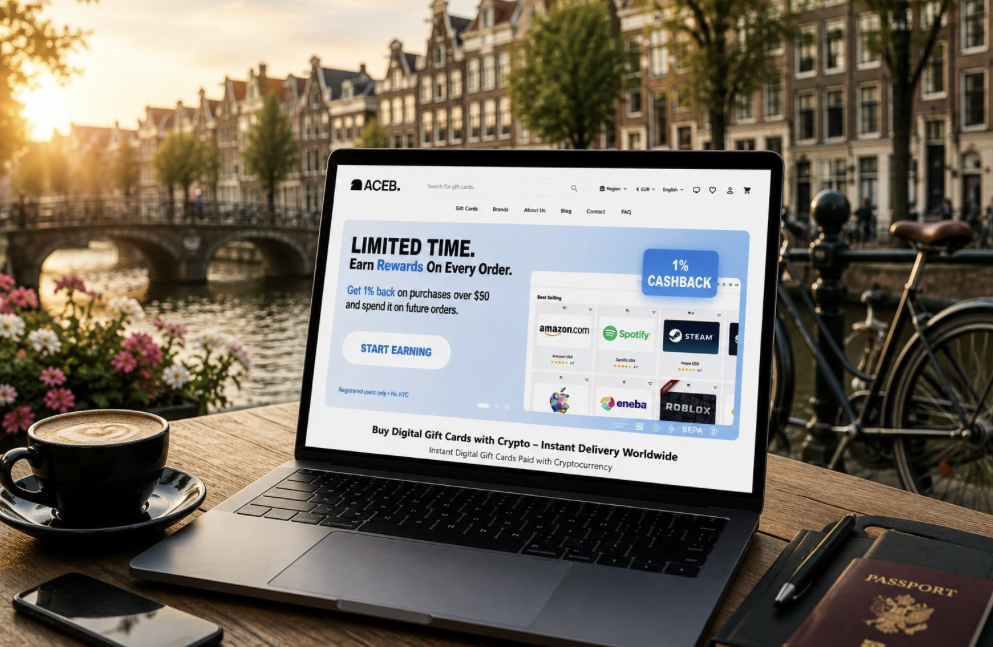
More broadly, marketplaces offering digital gift cards help travelers discover prepaid access to services across travel, shopping, dining, entertainment, and technology without searching across dozens of individual providers. These tools do not define the journey. They simply remove unnecessary friction so travelers can focus on what matters most: the experience itself.
Discovery Is Now Part of the Journey
The first stage often lasts much longer than the trip itself. People spend weeks comparing destinations, watching local creators, reading travel stories, saving restaurants, building itineraries, and learning about neighborhoods before making a reservation.
According to Expedia Group's 2025 Traveler Value Index, travelers increasingly rely on multiple digital sources—including travel platforms, online reviews, maps, and social media—before making booking decisions, highlighting how digital discovery has become an essential part of modern travel planning.
Discovery is no longer simply research. It is part of the travel experience itself. The excitement of finding a hidden beach, an independent café, or a scenic train route often shapes expectations long before departure.
Participation Should Feel Effortless
Once travelers arrive, digital services quietly support the experience. Navigation tools make unfamiliar cities easier to explore. Mobility apps reduce uncertainty around transportation. Translation services simplify communication, while booking platforms make it possible to reserve accommodation or activities with minimal effort. Yet the best journeys still leave room for spontaneity.
A thoughtful itinerary should provide direction without controlling every hour. Exploratory Glory's guide to creating an itinerary travelers will actually follow explains how careful planning can coexist with unexpected discoveries. Technology is most valuable when it supports exploration without replacing it.
The Best Journeys Continue After Returning Home
Returning home rarely marks the end of a meaningful journey. Photographs are shared. Restaurants are recommended. Favorite locations are saved. New friendships remain active online. Travelers continue discovering local recipes, music, books, and traditions inspired by places they have visited. Experiences rarely end with the return flight. Instead, they often become the starting point for future adventures.
We Rarely Remember the Technology
Most travelers do not remember the payment platform they used, the navigation app that guided them, or the booking system that confirmed a reservation. They remember the sunrise. The conversation with a local. The unexpected street performance. The meal they still talk about months later.
We rarely remember the technology that enabled a journey. We remember the moments it quietly made possible. That is precisely how good travel technology should work. Convenience does not create meaningful travel by itself. It protects the time in which meaningful travel can happen. The future of travel will not belong to the platform with the most listings or the itinerary with the most activities. It will belong to travel experiences that balance thoughtful preparation with genuine curiosity. The destination gives a journey its location. Preparation gives travelers confidence.
Technology quietly removes friction. Experiences give the journey its meaning. In the experience-led journey, the most important distance is no longer measured in miles. It is measured by the difference between simply arriving somewhere and truly experiencing it.