Affordable Gorilla Trekking Safari to Uganda
You can explore one of the most popular national parks in the southern part of Uganda, Africa, at low cost. Affordable safaris to Uganda are made for tourists on a tight budget so they may have a great time within the gorilla parks of the country and engage in trekking activities for the least amount of money. Basic safari lodgings, fewer nights, and cheap safari vehicles for transfers are the main features of budget gorilla safaris. Affordable Gorilla Safaris to Uganda can be done along with hiking and nature walks, which allow you to see the majority of the park's features on foot, birdwatching, which allows you to see over 350 different bird species, and a Batwa community tour, which allows you to engage with the pygmies. There are 200 tree species, 350 bird species, 120 animal species, and 10 primate species in Bwindi.
With a range of lodging options both inside and outside the two gorilla parks—Bwindi Impenetrable National Park and Mgahinga Gorilla National Park, Uganda is the perfect place for a budget gorilla safari.
Travelers on a tight budget can consider visiting Bwindi during the off-peak months of March, May and October to November. This is due to the lodges' low prices, which helps in saving money. Even local tour companies provide discounts on the majority of their tour packages during off-peak season in an effort to draw in the available few visitors to the park. Because it's less expensive than flying, a tourist who wants to save more money on a tour to Bwindi can think about taking the road trip to the park.
What can I do on an affordable Gorilla Safari to Uganda
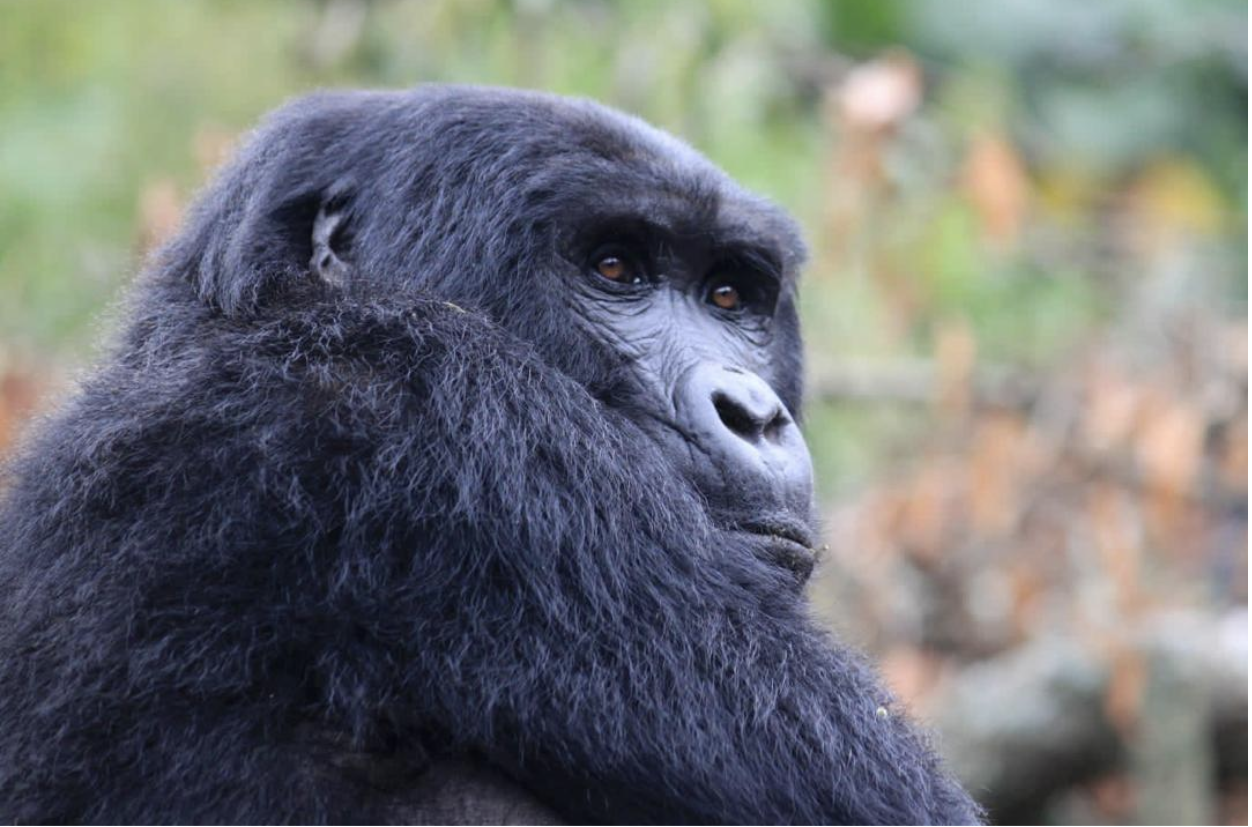
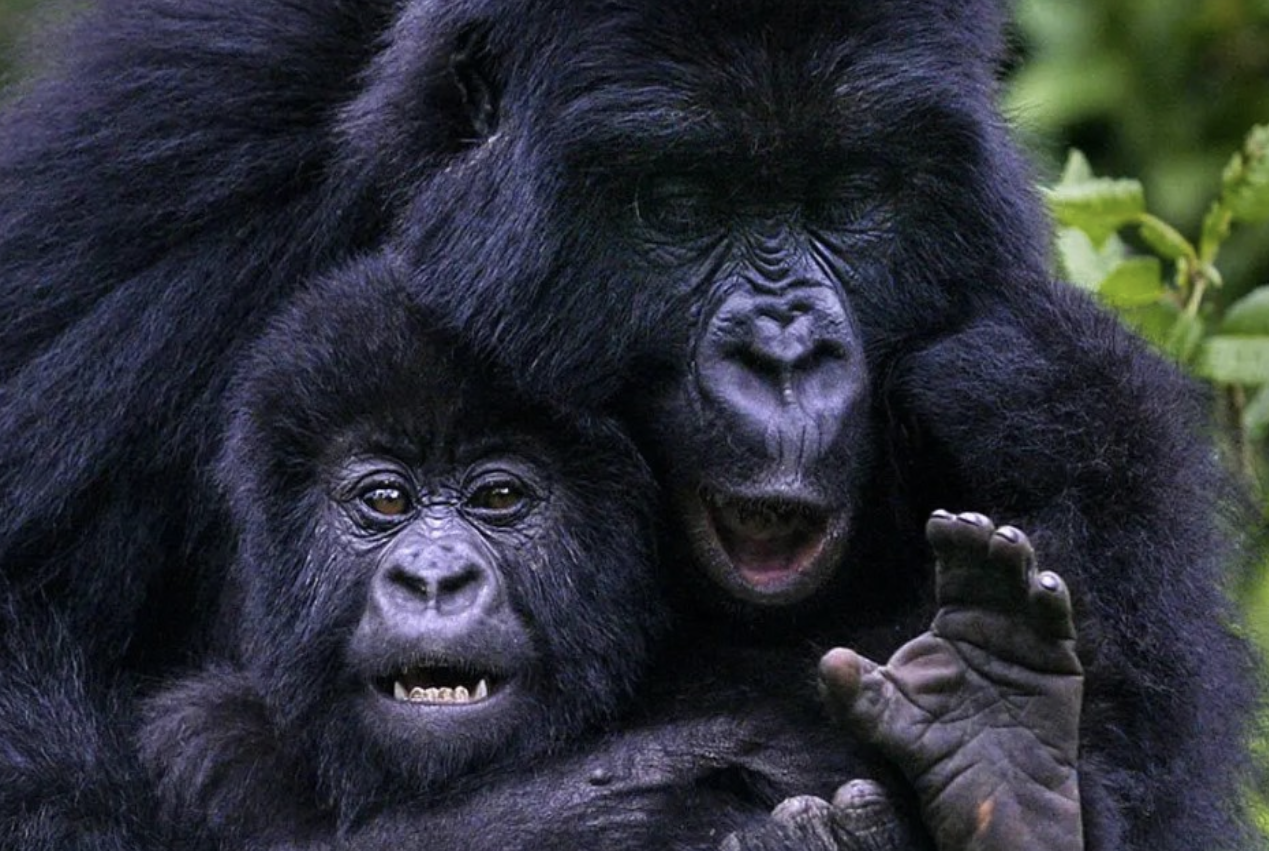
gorilla trekking Bwindi: With over 19 mountain gorilla families available for trekking in several park sectors, gorilla trekking is the most popular activity in Bwindi. You must get a gorilla trekking permit from the Uganda Wildlife Authority in order to trek these mountain gorillas. During the day of briefing, you will show the permit to the park wardens in Bwindi. A maximum of eight individuals treks with each gorilla family, accompanied by armed ranger guides.
In all the four sectors of Bwindi Impenetrable Forest National Park, gorilla trekking begins early in the morning at the sector headquarters, where participants get briefed on the activity's rules and regulations, thereafter they are divided into groups, assigned gorilla families trek, and are accompanied by armed ranger rangers to help them navigate the forest. Trekkers might encounter other park wildlife, bird species, and vegetation throughout their two to seven-hour hunt for the gorilla family. Trekkers observe the laws and procedures while spending an hour with mountain gorillas.
Gorilla habituation activities in Bwindi
Compared to gorilla trekking, gorilla habituation is more costly, but it is worth the cost. Four hours of time spent with mountain gorillas is included in the $1500 per gorilla habituation permit. In Bwindi, mountain gorillas are habituated in Rushaga and Nkuringo sectors of the park. The main difference between gorilla habituation and gorilla trekking is that, in habituation, a person spends four hours with mountain gorillas and may participate in activities that help the gorillas get used to human presence.
Bird watching activities
Because of its many habitats and elevations, popular Bwindi Impenetrable Forest National Park is home to a wide range of species of trees, butterflies, and bird species. The park's longest walk, River Ivi, is recommended for those who enjoy birding activities.
90% of the Albertine Rift endemics may be found in Bwindi Forest, a home to over 346 different species of birds. Every day, seasoned birdwatchers may identify about 100 different species of birds. For excellent bird watching, visit Buhoma and Ruhija gorilla trekking sectors. The national forest park of Bwindi is a home to more than 200 species of butterflies. In addition to being a destination for mountain gorillas, Bwindi is also a sanctuary for birdwatchers.
With over 350 reported species, including 23 endemics such as the short warbler and blue-headed sunbird, in addition to the 7 IUCC red data listed bird species, Uganda's oldest forest has a multitude of habitats that make it an ideal place for a variety of bird species. The African blue plus the African emerald cuckoo, the white-tailed blue fly catchers, the common bulbul, and the red-headed bluebill are the easiest birds to identify. The primary trails for birdwatching include the Buhoma Water Fall Trail, the Bamboo Zone, and the Mubwindi Swamp
Trail near Ruhija.
Other species of birds that can be spotted are: Stylish Francolin African Wood Owl Bar-tailed Trogon Rwandan Nightjar, Western Green Tinkerbird Dwarf Black Bee-eater Fine-banded Honeyguide The woodpecker, Grey African Green Broadbill Cuckoo-shrike, Shelly's Yellow-streaked Greenbul The red-throated greenbul Alethe Archer's White-bellied Robin-Chat Kivu Ground-Thrush, Mountain Robin-Chat The color yellow The warbler, Red-faced Rush Warbler by Grauer The Woodland Warble
Batwa community walk
For tourists who would like to learn more about African culture, Batwa community trips are incredibly affordable. Locals lead Batwa community tours, which begin with a relaxing nature walk in the forest. You may learn more about how they survived in the forest by eating fruits, honey, roots, and tiny animals by doing this.
You will encounter locals in their houses as they go about their everyday lives as you tour several homesteads in the Batwa. You will get the opportunity to engage with the elders and learn about their past. You may see African teaching by going to schools.
Nature walks: The cost of the nature walks in Bwindi is UGX10,000 for East African nationals, $30 for foreign non-residents, and $10 for foreign residents. All sector offices use various hiking routes to conduct nature walks. Visitors can see buffaloes, duikers, gigantic forest hogs, elephants, bushbucks, bushpigs, olive baboons, monkeys, birds, vegetation, and water sources on the nature walks.
When to go to Bwindi
Although Bwindi is available for all kinds of activities year-round, certain days are better than others. The best time to visit Bwindi is during the dry months of June through September and December through February. This is because there is little to no rainfall, which keeps the trekking trails muddy and slick, the vegetation is sparse and short, providing good views of the park's attractions, and the roads leading to Bwindi National Park are passable.
The rainy seasons of March, May and October to November offer significant savings on lodging for visitors, particularly those on a tight budget. Tourists visiting Bwindi during the rainy season should be aware that the roads leading to Bwindi National Park are impassable, the trekking routes are muddy and slick, and the tall, dense foliage obscures views of the park's attractions.