Africa in Comfort: A Grand Historical Journey
Embarking on business class flights to Africa is the most refined way to prepare for a continent that holds centuries, even millennia, of human history. The moment you step into the terminal, the pace of the journey slows to match the elegance ahead. Business class offers not just wider seats, but a sanctuary in transit — a place to rest, dine well, and prepare mentally for the vast narratives you are about to encounter. Arriving refreshed means you step into Africa’s story from the very first day, ready to explore its remarkable past without the weight of travel fatigue.
Cairo and the Legacy of Ancient Civilizations
Landing in Cairo is like walking into a living museum. The Pyramids of Giza rise from the desert as silent sentinels of Egypt’s Old Kingdom, their limestone blocks telling tales of pharaohs and gods. The Great Sphinx, with its mysterious expression, has watched over these monuments for thousands of years. In the Egyptian Museum, golden treasures from Tutankhamun’s tomb and countless artifacts offer a glimpse into the artistry, religion, and daily life of the ancient world. Beyond the monuments, the Nile itself flows through the city, just as it did in the time of the first dynasties, linking past and present.
The Historical Heart of Ethiopia
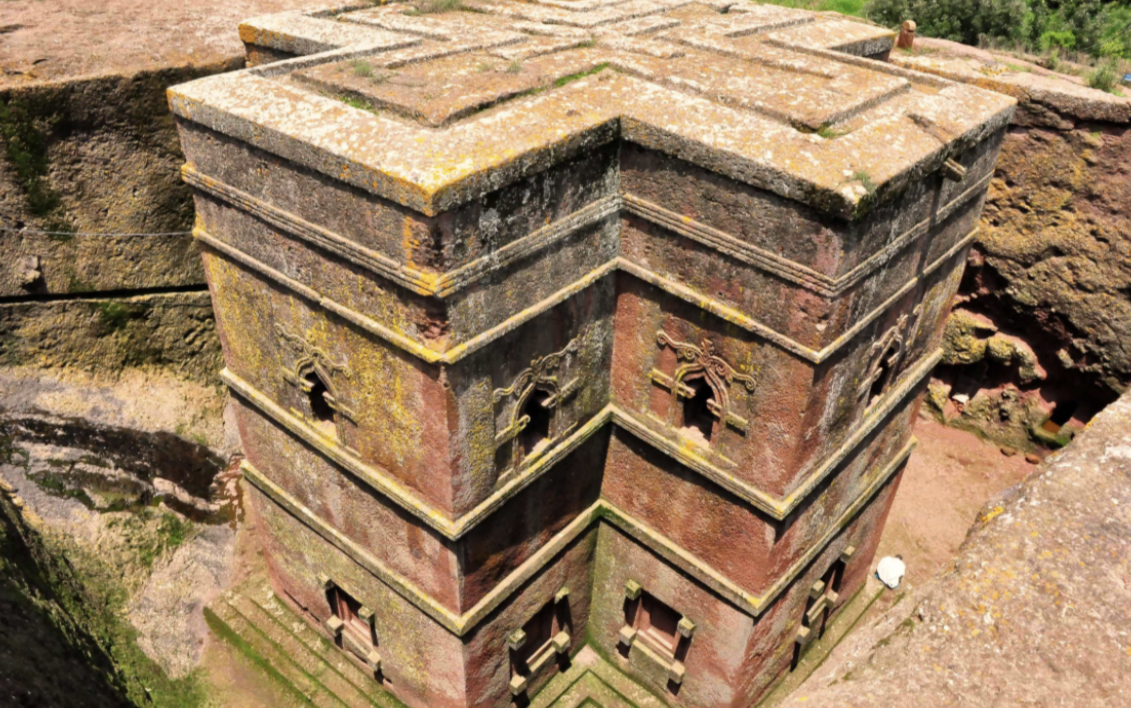
Flying south to Addis Ababa, Ethiopia reveals its deep historical significance as one of the cradles of humanity. The rock-hewn churches of Lalibela, carved directly into the earth in the 12th century, stand as marvels of devotion and engineering. In Axum, ancient obelisks mark the center of a once-powerful kingdom that traded with Rome, India, and Arabia. Archaeological sites reveal a civilization that minted its own currency, spoke its own written language, and influenced trade across continents. Ethiopia’s story stretches even further back to prehistoric times, with discoveries like the famous hominid skeleton “Lucy” reminding visitors of humanity’s shared origins here.
The Coastal Heritage of East Africa
In Zanzibar, history breathes through the narrow alleys of Stone Town. This island was once a thriving hub of spice trade and maritime commerce, linking Africa to the Middle East, India, and beyond. Ornate wooden doors, some centuries old, bear carvings that speak of cultural fusion. The Old Fort stands as a reminder of Omani influence, while the House of Wonders reflects the late 19th-century era of innovation and prestige. Walking through the markets, one senses the continuation of a trading tradition that has shaped Zanzibar’s identity for hundreds of years.

West Africa and the Echoes of Empires
In Senegal, the island of Gorée holds a somber place in history as a center of the transatlantic slave trade. The preserved buildings and the Door of No Return serve as powerful reminders of the human cost of this era. Inland, the legacy of great empires like Mali, Songhai, and Ghana still resonates. The city of Timbuktu, once a legendary center of learning and trade, is a testament to West Africa’s intellectual and cultural contributions to the world. Ancient manuscripts housed there reveal centuries of scholarship in astronomy, law, and philosophy.
Preserving the Past for the Future
Across the continent, historical sites are being preserved not only as tourist attractions but as vital links to cultural identity. From ancient ruins to colonial architecture, from sacred landscapes to bustling historical markets, Africa’s heritage is alive. These places are not simply relics; they continue to influence art, politics, religion, and social life.
Closing the Circle
Traveling to Africa in business class ensures that the journey matches the significance of the destination. It allows you to arrive with the energy to fully engage in the stories etched into stone, whispered by the wind across deserts, and carried in the rhythms of city streets. Africa’s history is not just a record of the past — it is a living, evolving narrative that welcomes those who approach it with curiosity and respect. The comfort of the journey becomes part of that story, ensuring that every moment, from takeoff to the final historical site, is an experience worth remembering.