Blending Local Life with Tourist Adventures in Three Countries
The most memorable travel experiences rarely happen at the top of famous monuments or in perfectly curated tourist zones. Instead, they unfold in unexpected moments—sharing morning coffee with locals at a neighbourhood café, stumbling upon a community festival, or getting directions from a friendly shopkeeper who insists on walking you there personally.
Modern travelers increasingly seek these authentic connections, moving beyond checkbox tourism toward meaningful cultural immersion. The Asia-Pacific region offers extraordinary opportunities for this balanced approach to travel.
From Singapore's multicultural neighborhoods to Bangkok's vibrant street life and the natural wonders spanning Australia and New Zealand, each destination presents unique ways to weave tourist must-sees with genuine local experiences. The key lies not in choosing one over the other, but in thoughtfully blending both approaches.
This journey through three distinct regions reveals how travelers can create richer, more meaningful adventures by stepping beyond the tourist bubble while still enjoying iconic attractions that make these destinations famous. Each destination offers unique lessons in cultural immersion and authentic travel experiences.
Singapore: Where Garden City Meets Cultural Mosaic
Singapore's morning routines offer windows into authentic local life that no guided tour can replicate. At 6 AM, hawker centers buzz with office workers grabbing kopi and kaya toast, elderly residents practicing tai chi in void decks, and vendors preparing fresh ingredients for the day ahead.
Neighborhoods like Tiong Bahru and Katong reveal Singapore beyond the gleaming skyline—independent bookstores, traditional bakeries, and pre-war architecture tell stories of the island's evolution. These areas showcase the authentic heartbeat of local life.
The wet markets of Chinatown and Little India provide sensory experiences that define Singapore's multicultural identity. Watching aunties expertly select produce while vendors call out daily specials in multiple dialects creates an authentic soundtrack to morning explorations.
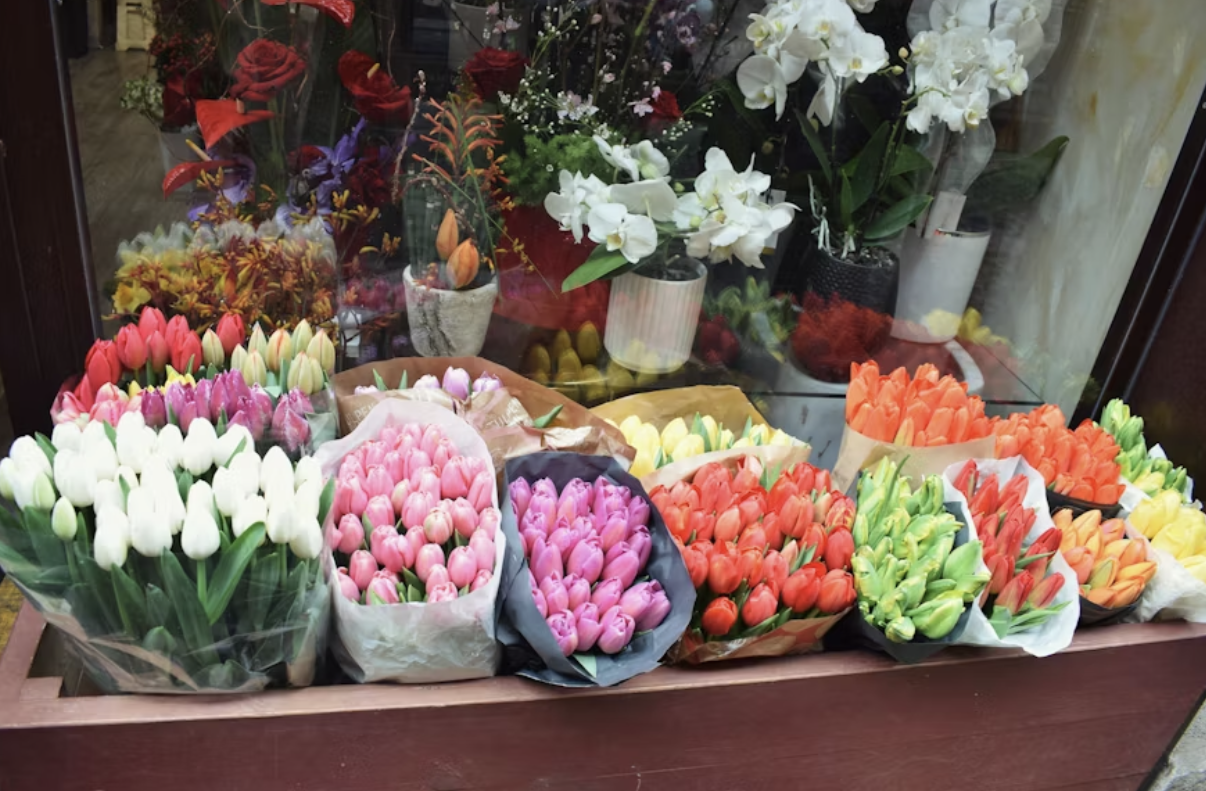
Supporting local businesses becomes part of the travel narrative itself. Whether browsing weekend markets in Kampong Glam or arranging delivery from an online flower shop to thank a homestay host, these small gestures create connections that transcend typical tourist transactions.
Local entrepreneurs often share stories about their crafts and heritage when visitors show genuine interest. These conversations in small shops and family-run establishments reveal Singapore's evolution from trading post to global city while maintaining cultural roots.
Weekend community activities at neighborhood centers, void deck gatherings, and park exercise groups welcome respectful visitors who show genuine interest in local culture. These informal settings often lead to the most meaningful cultural exchanges.
The heartland neighborhoods like Ang Mo Kio or Bedok offer glimpses into how most Singaporeans actually live. HDB estates with their coffee shops, provision stores, and community gardens represent the real Singapore that exists beyond Marina Bay's glittering skyline.
Yet Singapore's famous attractions deserve their reputation. Gardens by the Bay and Marina Bay Sands offer spectacular experiences—but timing matters. Visiting Gardens by the Bay at dawn means sharing the space with local joggers and photographers rather than tour groups.
The evening light show draws crowds, but arriving early allows time to explore nearby food centers where locals dine after work. The key is experiencing these iconic sites while maintaining connections to the surrounding community, perhaps ending the evening at a neighborhood kopitiam rather than a tourist-oriented restaurant.
Singapore's cultural festivals provide perfect opportunities to blend tourist curiosity with local participation. Whether it's Deepavali in Little India, Chinese New Year in Chinatown, or Hari Raya in Kampong Glam, these celebrations welcome respectful participation from visitors.
Bangkok: Urban Energy and Community Connections
Bangkok reveals itself differently to those who wake with the city. The morning alms giving ceremony isn't just a photo opportunity—it's a living tradition where locals purchase offerings from nearby markets and wait quietly for monks to pass.
Participating respectfully means arriving early, dressing modestly, and observing rather than directing the experience for social media. This authentic participation creates deeper understanding than any guided tour could provide.
The city's canal networks offer alternative perspectives on Bangkok life. Long-tail boats navigating the khlongs reveal wooden houses on stilts, local temples, and communities that have existed for generations along these waterways.
The city's evolving neighborhoods showcase Bangkok beyond temple tours and shopping malls. Creative districts like Charoenpong and Talad Noi blend traditional shophouses with contemporary art galleries, while areas like Ari attract young locals to independent cafés and small restaurants.
Bangkok's university areas like Samyan and Victory Monument pulse with youthful energy. Student-filled cafés, affordable restaurants, and bookshops create atmospheres entirely different from tourist zones, offering glimpses into contemporary Thai youth culture.
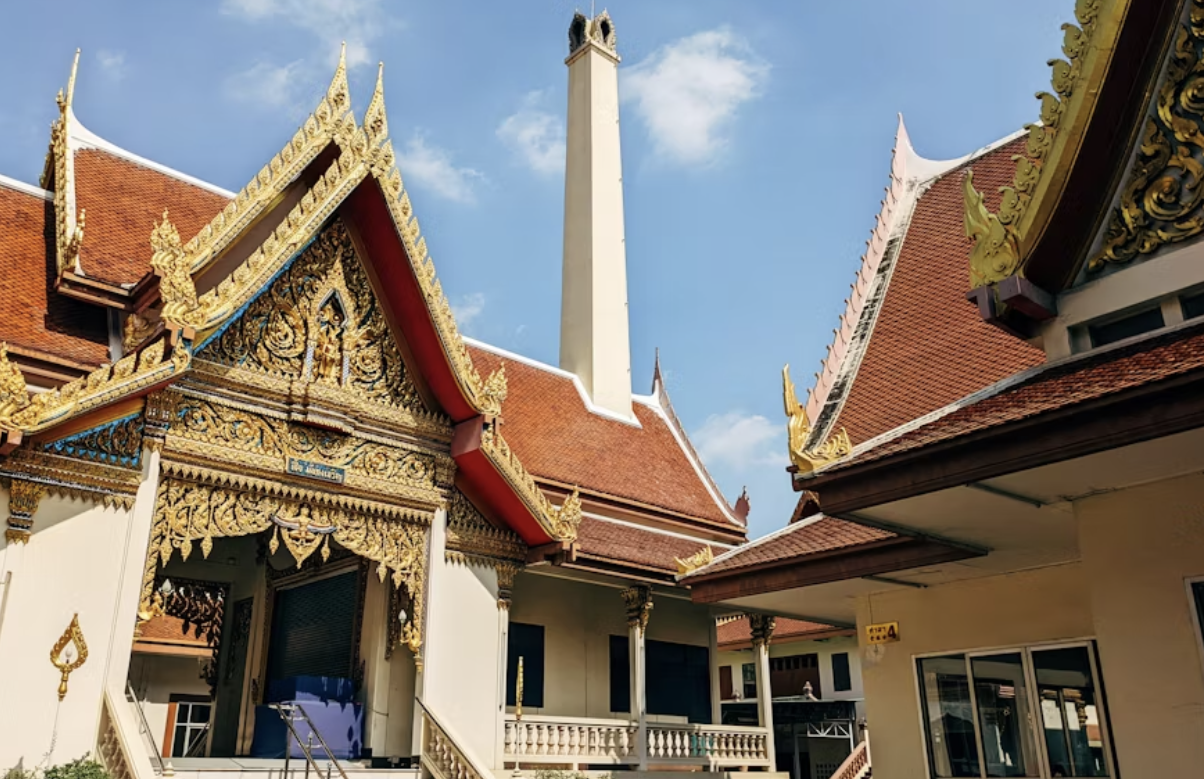
The community center spaces scattered throughout Bangkok serve as cultural bridges where locals gather for everything from language exchanges to traditional dance classes. Visitors often find themselves welcomed into these activities when showing genuine interest.
These centers often host weekend markets, cultural performances, and workshops that provide authentic insights into Thai culture. Participating in a traditional cooking class or craft workshop alongside locals creates connections impossible to achieve in tourist-only settings.
Learning basic Thai phrases transforms interactions immediately. A simple "sawasdee ka" or "khob khun krub" shifts dynamics from transaction to connection. Using local transportation—canal boats cutting through Thonburi, motorcycle taxis navigating narrow sois—provides both adventure and authentic glimpses of daily Bangkok life.
Bangkok's green spaces offer surprising respites from urban intensity. Lumphini Park at dawn fills with locals practicing everything from aerobics to traditional sword dancing, while smaller parks like Benjasiri host weekend activities where visitors can join impromptu badminton games or group exercises.
The Grand Palace and Wat Pho certainly warrant visits, but timing and approach matter significantly. Arriving at Wat Pho before 8 AM means experiencing the temple alongside locals making merit before work.
Alternative temples like Wat Ratchanatdaram or Wat Saket offer equally impressive architecture with predominantly local visitors. These lesser-known sites often provide more peaceful, contemplative experiences.
The golden mount at Wat Saket, particularly during the annual temple fair, showcases how religious sites serve as community gathering places beyond their spiritual functions. Local families picnic on the grounds while children play traditional games.
Street food adventures in residential areas like Wang Thonglang or Lat Phrao reveal flavors and dishes absent from tourist-oriented food tours. Chatuchak Weekend Market exemplifies this duality perfectly—while sections cater to tourists seeking souvenirs, locals shop for plants, pets, and household goods in entirely different zones.
Bangkok's night markets beyond the tourist trail offer different experiences entirely. Train markets like Saphan Phut or Wang Thong Lang draw predominantly Thai crowds seeking everything from vintage clothing to motorcycle parts.
Australia-New Zealand: Nature Adventures and Small-Town Charm
New Zealand's Tongariro Alpine Crossing ranks among the world's best day hikes, but the experience extends beyond the trail itself. Using local services like Tongariro shuttles creates opportunities to meet fellow hikers—both international visitors and weekend warriors from Auckland or Wellington.
These shared van rides often lead to evening gatherings at local pubs where stories and recommendations flow freely. The connections made during these transports often become highlights of the journey.
The shuttle drivers themselves frequently serve as informal guides, sharing local legends, weather wisdom, and hidden spots that don't appear in guidebooks. Their knowledge comes from years of living in the shadow of these mountains.
Small town stopovers between major destinations reveal genuine Kiwi hospitality. Places like Ohakune, Taupo, or Wanaka offer more than just accommodation—they provide insights into rural New Zealand life.
Local cafés in these towns serve as community hubs where farmers, artists, and adventure guides mingle. Joining the morning coffee culture provides natural opportunities for conversations about everything from weather patterns to secret fishing spots.
Farm stays and rural experiences connect visitors with the country's agricultural heritage. Māori cultural experiences in smaller settings often prove more meaningful than large-scale tourist shows.
Working farms that welcome visitors offer hands-on experiences from sheep shearing to cheese making. These activities provide understanding of New Zealand's agricultural backbone while creating genuine connections with farming families.
Local conservation efforts, from penguin monitoring in Oamaru to tree planting in Wellington, welcome visitor participation. These activities create lasting connections to the land and its people.
New Zealand's Great Walks hut system creates unique social dynamics where hikers from around the world share evening meals and stories. These backcountry encounters often lead to lasting friendships and travel partnerships.
Australia's resort towns balance tourist infrastructure with authentic local character. Thredbo transforms seasonally, and choosing accommodation in Thredbo that integrates with the village community rather than isolated resort complexes changes the entire experience.
Local pubs and cafés in Thredbo serve as gathering points where ski instructors, resort workers, and long-term residents share tables with visitors. These informal settings provide insights into mountain life beyond the tourist season.
Summer visitors discover a different town from winter ski crowds—mountain biking trails, alpine walks, and village festivals create opportunities for genuine local interaction. The village atmosphere during off-peak seasons often provides more authentic experiences.
The Snowy Mountains region surrounding Thredbo offers numerous small communities where Australian rural life continues unchanged. Towns like Jindabyne and Berridale maintain their agricultural and fishing traditions alongside tourism development.

The Mornington Peninsula exemplifies this dual personality perfectly. A Mornington Peninsula hotel provides comfortable base access to renowned wineries and beaches, but the region's true character emerges at farmers markets, small-scale producers, and coastal walks favored by locals.
Peninsula communities like Red Hill, Flinders, and Shoreham maintain distinct identities despite proximity to Melbourne. Each town's general store, pub, and community hall serves as focal points for local life that welcomes visitor participation.
Meeting surfers at Gunnamatta, chatting with winemakers at smaller vineyards, or joining locals for fish and chips at Fisherman's Beach creates memories that overshadow any formal wine tour. These spontaneous interactions often become the stories travelers shareربات years.
The peninsula's artistic community opens studios during weekend trails, providing opportunities to meet creators in intimate settings. These encounters offer perspectives on Australian coastal life that no organized tour could replicate.
Practical Tips for Blending Experiences
Successfully blending local life with tourist adventures requires intentional planning. Visit major attractions during early morning or late afternoon hours when locals outnumber tourists.
Choose public transportation over tourist buses—not just for authenticity, but for the stories and connections that emerge from shared journeys. Seek accommodation in residential neighborhoods through platforms focusing on homestays or small guesthouses rather than international hotel chains.
Consider staying in different neighborhoods during longer visits to experience various aspects of local life. A few nights in a business district, artistic quarter, and residential suburb provides fuller understanding than remaining in tourist zones.
Technology helps discover local events—apps like Meetup, local Facebook groups, and neighborhood-specific Instagram accounts reveal festivals, markets, and gatherings rarely mentioned in guidebooks. These digital tools bridge the gap between tourist and local experiences.
Local newspapers and community bulletin boards in cafés and libraries announce events that digital platforms might miss. These analog sources often reveal neighborhood gatherings, charity events, and cultural activities welcoming visitor participation.
Learning basic greetings and "thank you" in local languages, understanding cultural etiquette around photography and sacred spaces, and asking locals for recommendations all demonstrate respect that opens doors to deeper experiences. Small efforts in cultural understanding yield significant rewards in local connections.
Carrying small gifts from home provides natural conversation starters and exchange opportunities. Postcards from your hometown, local candy, or small crafts create moments of cultural sharing that transcend language barriers.
Conclusion
The enrichment that comes from blending tourist attractions with local experiences transforms travel from consumption to connection. These approaches create stories worth sharing—not just photos of famous landmarks, but tales of unexpected friendships, surprising discoveries, and personal growth through cultural exchange.
This balanced approach also supports sustainable tourism by distributing economic benefits beyond major attractions and fostering genuine cultural understanding. The best travel stories rarely begin with "when I visited the famous monument," but rather "when I met this local who showed me their neighborhood" or "when I stumbled upon this community celebration."
Your next adventure awaits—plan it with intention, leaving space for both must-see sights and must-meet people. The monuments will always be there, but the connections you make with local life create the memories that truly last.