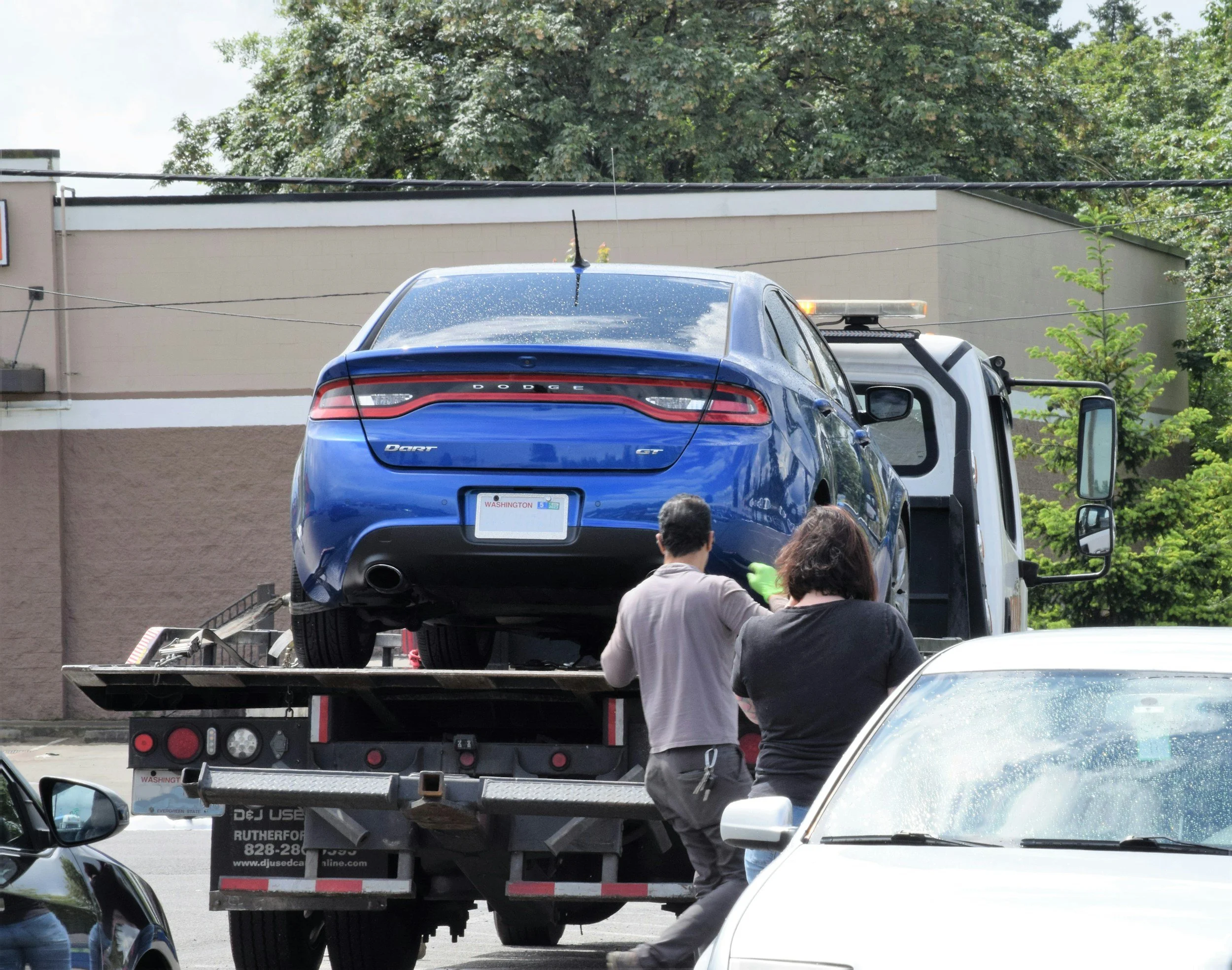
Car Towing Out of State: A Traveler’s Guide to Staying Prepared
Long-distance road trips are all fun and freedom—until your car decides to tap out miles from the nearest town. Whether you’re on a cross-country adventure or just headed out for a long weekend, a car breakdown out of state can flip your travel plans upside down.
You might think, “I’ve got roadside assistance, I’ll be fine.” But towing your car across state lines is a whole different game. Insurance quirks, state laws, towing scams—they don’t show up on your travel itinerary, but they definitely can show up mid-trip.
So before you hit the highway, let’s make sure you’re set up for the kind of hiccups no one wants. If you want a quick shortcut to figure out the logistics ahead of time, this long distance tow resource is worth keeping in your bookmarks.
Let’s break it down.
Why Out-of-State Towing Is a Bigger Deal Than You Think
Most people assume towing is just “call a truck, get a ride.” That works for short distances. But when your destination is a few hundred miles away—or worse, on the other side of the country—you’re looking at something closer to auto transport than a simple local tow.
Here’s why it matters:
Not all towing companies offer interstate services
Costs skyrocket with distance
Some insurance plans don’t cover long hauls
You could get stuck without your car for days
And if you’re out in a remote area, it might take hours just to get someone out to you.
Don’t Skip the Insurance Call
Before you even pack your bags, call your insurer. Seriously.
Many people assume they’re covered for towing just because they have roadside assistance. But here’s the catch—most plans cap you at 100 miles or will only tow your car to the nearest repair shop, not your hometown mechanic three states over.
Here’s what to ask your provider:
What’s the distance limit for towing?
Will they tow to a destination of your choice?
Is there an option to add long-distance towing coverage?
What’s the deductible or out-of-pocket cost?
This quick check can save you from a huge surprise bill if things go sideways.
Make a Backup Plan (Even If You Don’t Think You’ll Need It)
You don’t want to be Googling “tow truck near me” from the side of the highway in the dark. Have a list of reliable towing companies that operate across state lines in your glovebox or saved to your phone.
Apps can help, but don’t count on a signal in rural spots. Proactive beats panicked every time.
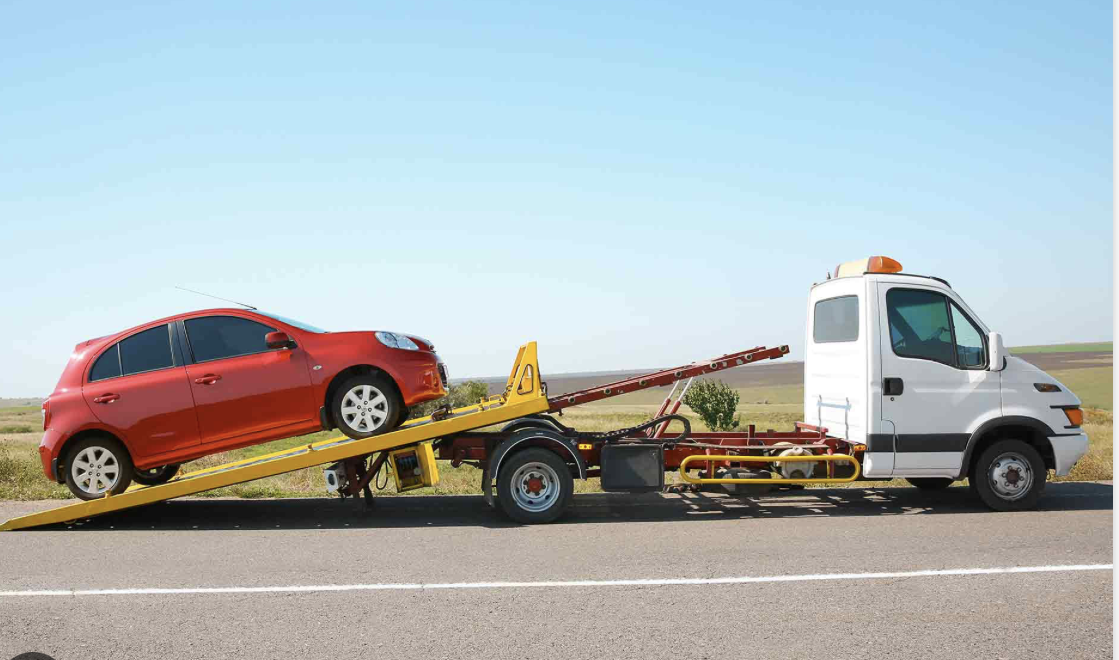
What to Pack In Case of a Breakdown
This isn’t about being a doomsday prepper. It’s just basic travel smarts. A few items can make a breakdown less stressful and safer.
Pack this:
A printed copy of your insurance card and roadside assistance number
Portable phone charger or power bank
Flashlight and a basic tool kit
Water, snacks, and a blanket
A spare key (not in the glovebox)
And while you’re at it, double-check your spare tire. No one thinks about it until they need it.
How to Spot a Legit Towing Company (And Avoid Scams)
Being stranded makes people desperate. Scammers know this.
Avoid towing nightmares by sticking to these rules:
Only use towing companies with proper licensing and insurance
Get a written estimate before they move your vehicle
Avoid handing over your car keys without paperwork
Don’t fall for vague promises like “we’ll work it out later”
Good towing companies will tell you the price, the destination and give you a clear paper trail. If you get shady vibes, trust them.
Timing Matters: Not All Tows Happen Fast
If you’re traveling during a major holiday or peak vacation season, expect delays. Towing companies may be slammed, especially in tourist-heavy areas.
Here’s what affects wait times:
Your location (rural = longer)
Time of day
Availability of long-haul trucks
Some companies do offer expedited services for an extra fee, but even then, be prepared to wait a bit.
What Happens After the Tow
Let’s say your car gets hauled to your preferred destination. Then what?
You still need to:
Arrange a repair appointment (don’t assume they’ll take walk-ins)
Follow up with your insurance for reimbursements
Keep all receipts and documentation from the towing company
Also, make sure your vehicle is parked legally if it’s not going straight to a shop. You don’t want a second tow due to local parking enforcement.
Can You Just Ship the Car Instead?
If your breakdown isn’t urgent—or if you’ve got time flexibility—it might make sense to use an auto transport service instead of a long-haul tow.
Transport is slower but sometimes cheaper for extreme distances. It also puts zero additional wear on the vehicle. Worth comparing both options if you’re traveling for an extended period and don’t need the car right away.
Pro Tips for Travelers with Older or High-Mileage Cars
If your ride has seen better days, be extra cautious. Long trips push older engines harder, especially in hot weather or mountain terrain.
Before heading out:
Get a pre-trip inspection
Top off fluids and check belts
Replace that worn tire you’ve been ignoring
The goal isn’t to make your car invincible. It’s to give it the best shot at surviving the trip without a drama-filled detour.
Final Word
Traveling is meant to be exciting, not stressful. But when your car breaks down out of state, the stress can pile up fast if you’re not ready for it.
A little prep goes a long way. Know your insurance coverage, have towing options saved, and pack smart. If something goes wrong, you’ll be the calmest person on the highway.
And if you’re ever in doubt, get a long-distance tow arranged before things spiral. It’s not the most glamorous part of travel, but it can make or break your trip.