Cycling Tour from Atlas Mountains to Atlantic Coast
Morocco offers cyclists an extraordinary adventure that transforms landscapes from rugged mountain terrain to sweeping coastal horizons. Imagine pedaling through ancient Berber territories, traversing dramatic mountain passes, and ultimately feeling the Atlantic Ocean's salty breeze - this cycling expedition represents more than just a physical journey, but a profound cultural experience connecting Morocco's diverse geographical and human landscapes.
Starting Strong in the High Atlas Mountains
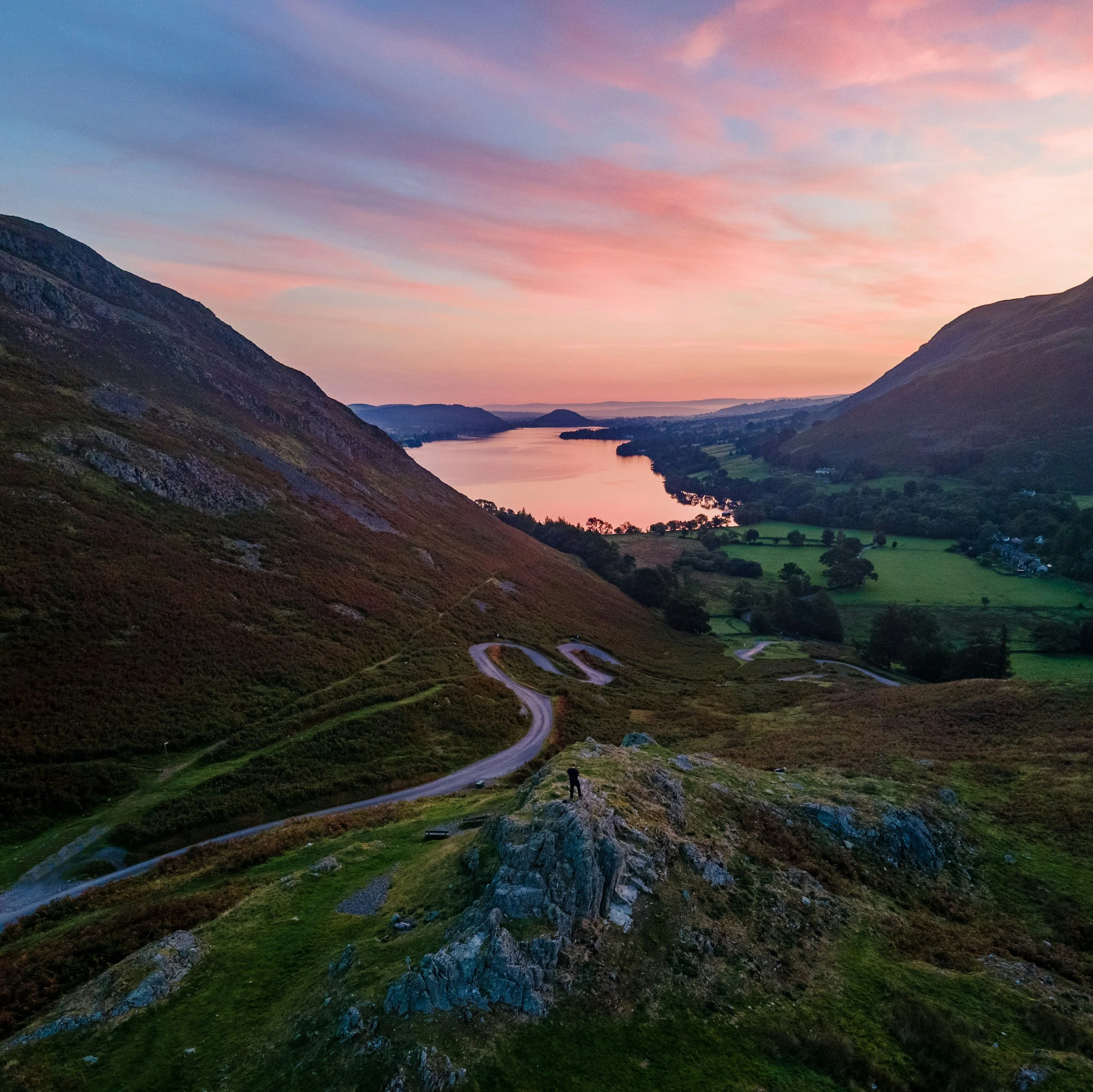
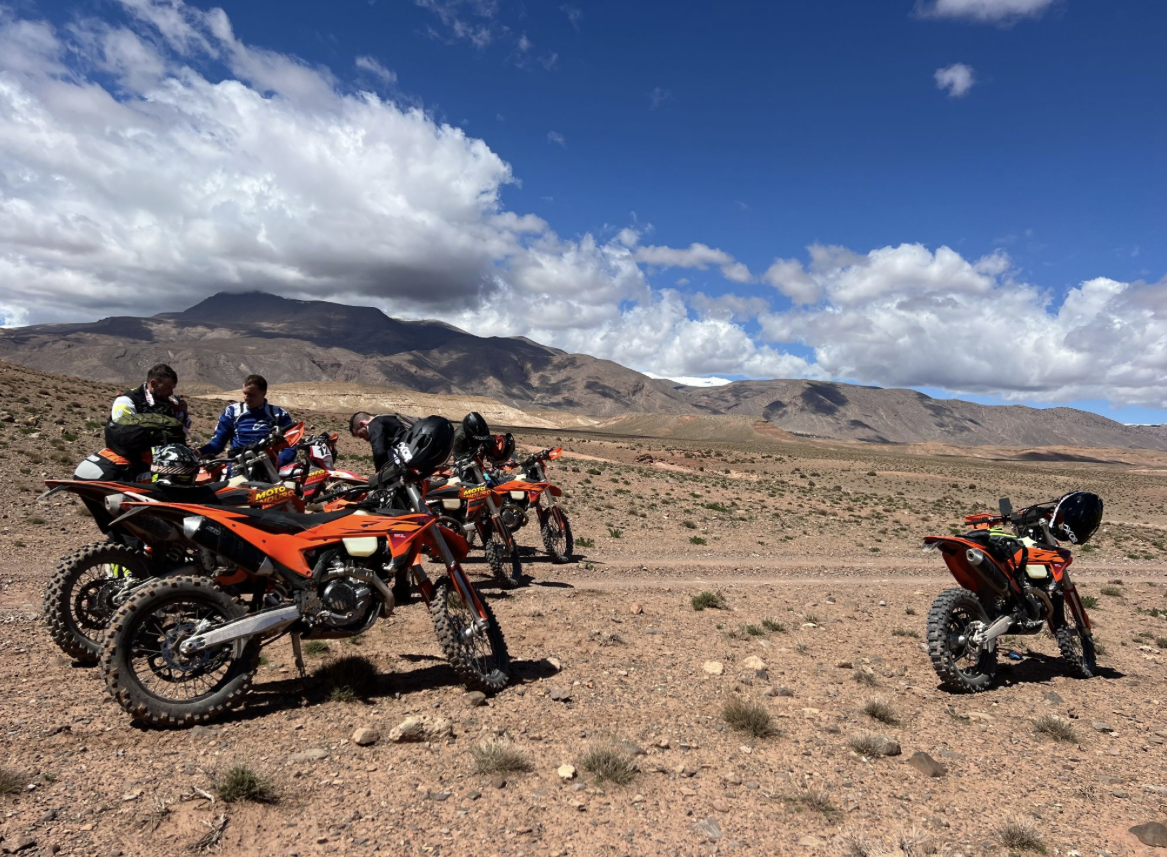
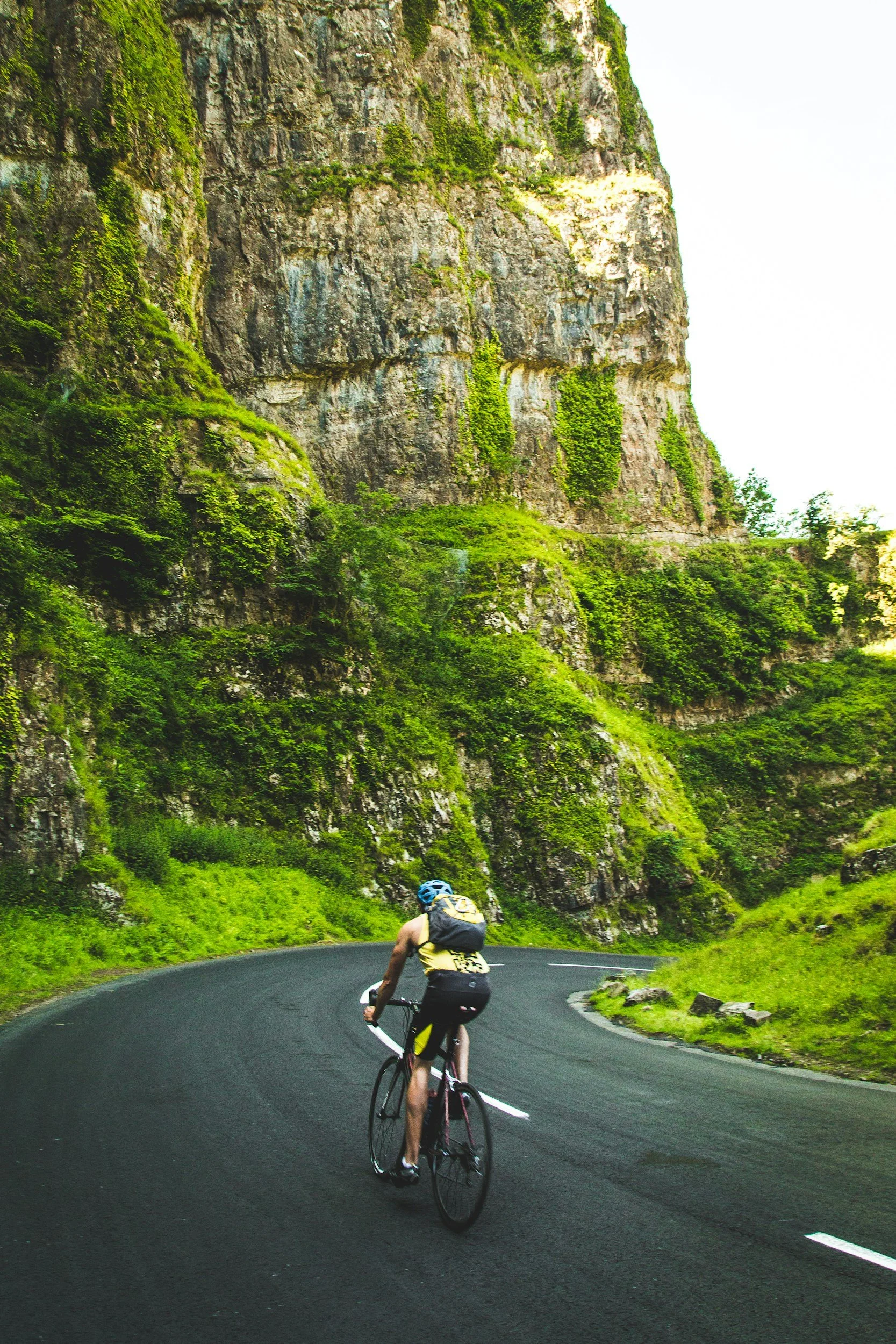
The High Atlas Mountains present cyclists with an extraordinary starting point for an epic Moroccan adventure. Rising dramatically from the earth, these mountains offer challenging terrain that tests both physical endurance and mental resilience. Riders begin their journey navigating steep mountain roads, surrounded by breathtaking rocky landscapes where Berber communities have lived for centuries. Elevations ranging between 2,000 to 4,000 meters create natural challenges, requiring sophisticated cycling techniques and superior physical preparation. Mountain passes like Tizi n'Tichka become natural milestones, offering cyclists panoramic views that reward their challenging ascent. Experienced cyclists recommend lightweight bicycles with robust gear systems to manage these demanding mountain routes effectively.
Scenic Descents Through Valleys and Berber Villages
Descending from mountain peaks reveals Morocco's incredible geographic diversity. Cyclists experience dramatic landscape transitions, moving from rocky mountain terrain to lush valleys dotted with traditional Berber settlements. These villages represent living historical monuments, where stone houses blend seamlessly with surrounding mountainous landscapes. Local inhabitants often welcome touring cyclists, offering refreshments and sharing centuries-old cultural traditions. The route passes through picturesque locations like Ourika Valley and Imlil, where agricultural terraces demonstrate remarkable human adaptation to challenging mountain environments. For anyone passionate about cycling Morocco, each kilometer traveled offers unique visual storytelling; from almond tree orchards to terraced agricultural systems that have sustained mountain communities for generations.
Transitioning from Mountain Trails to Rolling Plains
The journey from mountainous regions to coastal plains represents a remarkable geographical transformation. Cyclists experience gradual landscape changes, transitioning from steep mountain roads to more expansive, rolling terrain. Agricultural regions like Marrakech Plains offer relatively smoother cycling conditions, allowing riders to recover from mountain challenges while enjoying expansive agricultural landscapes. Wheat fields, olive groves, and occasional palm plantations create stunning visual backdrops. This segment requires different cycling strategies - maintaining consistent speed and managing hydration become primary considerations. Wind patterns shift dramatically, sometimes offering tailwinds that assist cyclists, while other moments demand significant physical resilience against crosswinds typical of Moroccan plateau regions.
Cultural Encounters Along the Cycling Route
Cycling through Morocco provides unprecedented opportunities for genuine cultural interactions. Each region presents unique social dynamics, from traditional Berber mountain communities to Arabic-speaking plains populations. Cyclists often find themselves welcomed into local tea ceremonies, experiencing hospitality that transcends linguistic barriers. Small roadside cafes become essential rest points, offering mint tea and local bread that reinvigorate tired travelers. Professional cyclists recommend learning basic Arabic or Berber phrases, which dramatically enhances interaction quality. Markets in towns like Ouarzazate and Taroudant offer fascinating glimpses into local trading cultures, where bicycles become conversation starters and cultural bridges between travelers and residents.
Reaching the Atlantic Coast
The final stage of this extraordinary cycling tour delivers cyclists to Morocco's stunning Atlantic coastline. Cities like Essaouira and Agadir provide magnificent ocean views, representing the perfect conclusion to a challenging mountain-to-coast expedition. Coastal winds create unique cycling experiences, sometimes offering assistance, sometimes presenting additional resistance. Riders experience dramatic temperature changes, moving from cool mountain environments to warmer coastal climates. The ocean's presence transforms the entire journey's psychological landscape, offering a sense of accomplishment and liberation. Seafront roads provide relatively smooth cycling conditions, allowing cyclists to appreciate maritime landscapes after challenging mountain traverses.
Best Season for an Atlas-to-Coast Cycling Tour
Selecting appropriate touring seasons significantly impacts cycling experiences. Spring (March-May) and autumn (September-November) represent optimal periods for this transcontinental cycling adventure. These months offer moderate temperatures, ranging between 15-25 degrees Celsius, creating comfortable cycling conditions. Winter months can be excessively cold in mountain regions, while summer temperatures often exceed 35 degrees Celsius, making sustained cycling challenging. Precipitation levels remain minimal during recommended months, ensuring safer road conditions. Cyclists should monitor regional weather forecasts and prepare appropriate clothing layers to manage potential temperature variations.
Practical Tips for Planning Your Journey
Successful Moroccan cycling tours require meticulous preparation. Recommended equipment includes robust mountain bicycles with reliable gear systems, comprehensive repair kits, and multiple water storage options. Cyclists should carry lightweight, moisture-wicking clothing and invest in high-quality padded cycling shorts. Professional tour operators recommend comprehensive travel insurance covering medical emergencies and bicycle transportation. Physical preparation involving consistent cardiovascular training and strength conditioning proves essential. Navigation tools like GPS devices and offline maps become critical in remote mountain regions with limited cellular connectivity.
Things to remember:
Total cycling distance: Approximately 500-600 kilometers
Elevation changes: 2,000 to 4,000 meters
Recommended fitness level: Advanced recreational cyclists
Essential equipment: Mountain touring bicycle, repair kit, hydration system
Cultural interaction opportunities: High
Landscape diversity: Exceptional