Essential Safety Tips for Travelling Abroad: What You Need to Know
Travelling abroad gives you a chance to break from routine, see new places and experience different cultures - whether that’s a long-awaited family holiday, a solo backpacking adventure or a luxury retreat. But the unfamiliar can also bring risks, and being prepared can help avoid unnecessary stress while you’re away.
Here are practical tips to help keep yourself, your belongings and your wellbeing protected throughout your travels.
Check official guidance before you go
Before heading overseas, read the Foreign, Commonwealth & Development Office (FCDO) travel advice for your destination. Here you will find essential updates on safety risks, political conditions, entry requirements and local laws. You’ll also find cultural guidance that can help you avoid misunderstandings, such as dress codes or restrictions around public behaviour.
Some countries require certain vaccinations or medical documents for entry. These often need arranging weeks in advance, so checking early is worthwhile.
Get covered with the right insurance
A good travel insurance policy can cover the costs of cancelled flights, stolen luggage or unexpected medical treatment. If you need to return home in an emergency or require specialist care, insurance can make a huge difference.
Remember, a GHIC (Global Health Insurance Card) only covers basic public healthcare in participating EU countries - it does not replace full insurance and won’t help with private care or repatriation costs.
If you’re travelling to a more remote location or somewhere unfamiliar, it can also be useful to register with the local British embassy or consulate in case you need help while abroad.
Take health precautions seriously
Different climates, food and daily routines can all affect your health when travelling. Make sure you’re up to date with standard vaccinations and find out if your destination requires any additional ones. If you take regular medication, pack enough to last your trip and bring your prescription in case of checks at customs.
It’s sensible to stay hydrated, wear high-factor sunscreen and be cautious about food hygiene - especially in areas where water quality or sanitation may be an issue. Stick to restaurants with good reviews, and avoid tap water unless you’re sure it’s safe.
Before your trip, look up the location of nearby clinics or hospitals, so you know where to go in an emergency.
Choose safe, secure accommodation
Where you stay can affect your safety while abroad. Book hotels, rentals or guesthouses with strong reviews and reliable communication. On arrival, familiarise yourself with emergency exits, local emergency numbers and the property’s safety features.
Use safes to store valuables, documents and extra cash. Avoid sharing your accommodation details publicly online while you're still there - oversharing can make you a target.
For extra reassurance, consider packing a travel door wedge or portable lock if staying in unfamiliar or independent accommodation.
Know the risks with transport and excursions
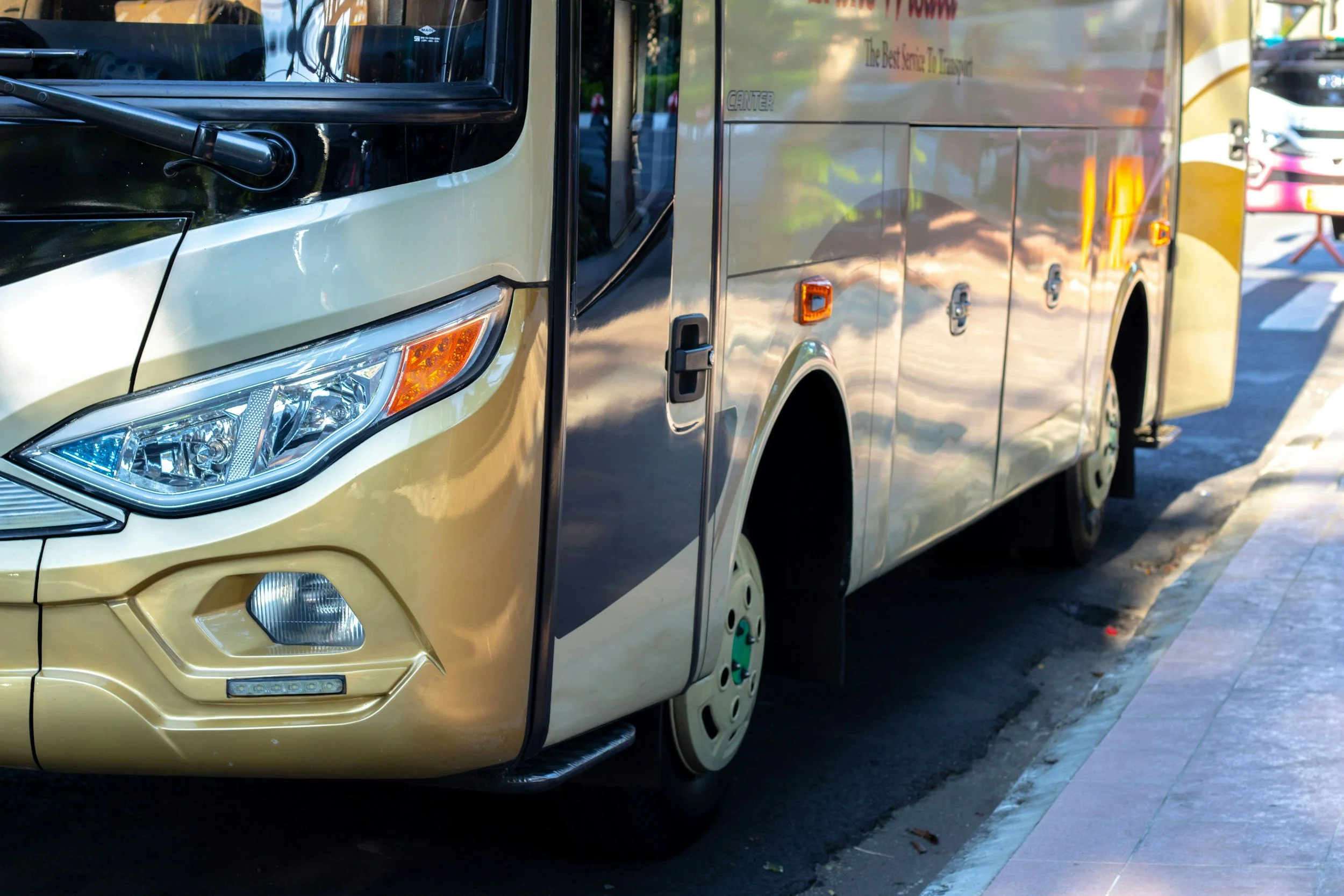
When driving abroad or using local transport, be aware that rules and standards may be different from those at home. Research local road laws, signage and driving customs. If you’re hiring a car, make sure it’s fully insured and roadworthy.
Use official taxis or trusted ride apps that offer GPS tracking. Avoid accepting rides from unmarked vehicles or drivers without visible ID.
When booking excursions or activities, make sure the provider is licensed and insured. Check reviews, ask questions about safety measures and don’t feel pressured into joining anything that doesn’t feel well-organised or safe.
Avoid scams and petty theft
Pickpocketing and travel scams are unfortunately common in many popular destinations. Keep your bags zipped, wear valuables under clothing when needed, and be wary of distractions - especially in crowded areas like transport hubs or markets.
Be cautious of overly friendly strangers, unsolicited offers or people claiming to be tour guides or charity workers without credentials. Research common scams for your destination before you arrive so you know what to look out for.
Know what to do in an emergency
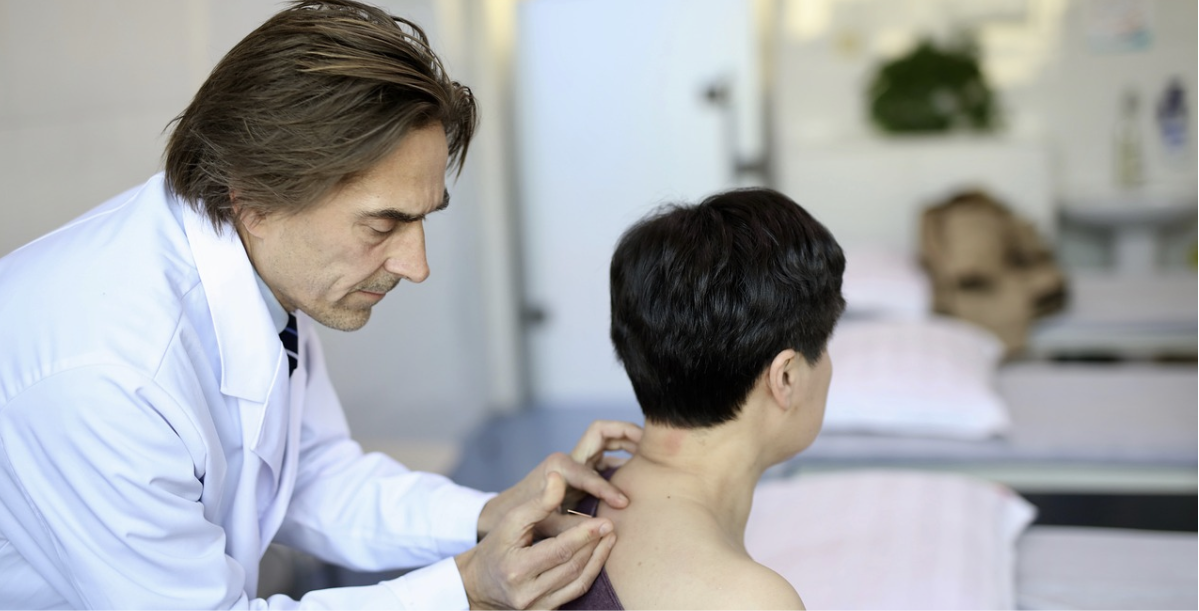
Even with careful planning, things can go wrong. If you’re injured, get medical attention as soon as possible - even if the issue seems minor. Keep any paperwork, prescriptions or receipts you receive.
If the incident involves another party - for example, unsafe accommodation, faulty equipment or negligent behaviour - take photographs, record details and gather witness names if possible.
In some cases, you may have grounds for holiday accident claims once you’re home. Speaking to a solicitor who specialises in accidents abroad can help you understand your options and what compensation might be available.
Planning for safety while travelling doesn’t take away the excitement - it gives you confidence to enjoy every moment. With the right preparation, you can protect yourself and your loved ones while still making the most of your time away.