Everything You Need to Know Before Visiting Croatia
Introduction
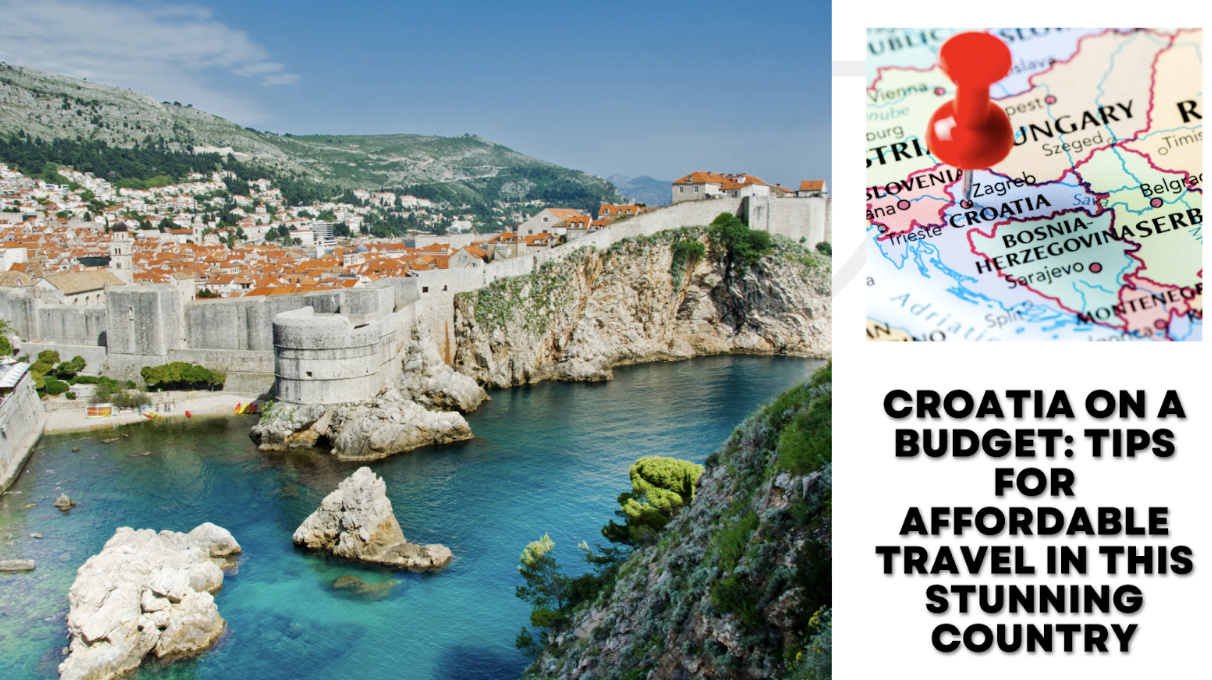
Croatia is a stunning blend of ancient history, turquoise coastlines, and charming towns nestled between the Adriatic Sea and the rugged Dinaric Alps. From sun-soaked islands and medieval cities to national parks with waterfalls and lush forests, it’s no wonder Croatia has become one of Europe’s top travel destinations. Whether you're a beach lover, a history buff, or an adventure seeker, there's something for everyone. Let’s get started!
1. When to Visit Croatia
Croatia is a year-round destination, but the best time to visit depends on your travel style. Summer (June to August) offers warm weather, vibrant festivals, and buzzing coastal towns—perfect for island hopping and beach lovers. Spring and autumn (especially May, September, and early October) are ideal for travelers looking to avoid crowds while still enjoying pleasant temperatures. Winter has its own charm, particularly in Zagreb, which hosts one of Europe’s best Christmas markets. If you're unsure when to go or want ideas for off-the-beaten-path trips during different seasons, Life and Ventures offers seasonal guides and personal travel stories to inspire your itinerary.
2. Entry Requirements and Travel Documents
Croatia is a member of the European Union and part of the Schengen Area. Most travelers from the EU, US, UK, Canada, Australia, and many other countries can enter visa-free for up to 90 days. A valid passport with at least three months’ validity is typically required. Travel insurance isn’t mandatory but is highly recommended. Croatia uses the euro (€), so it’s helpful to exchange a small amount before arriving or withdraw local currency at ATMs.
3. Getting Around Croatia
Croatia is surprisingly easy to navigate. Rental cars are popular and ideal for travelers exploring rural regions or multiple cities. Highways are well-maintained, though tolls apply. Buses are efficient, reliable, and serve nearly every city and town. Coastal ferries and catamarans connect the mainland with islands like Hvar, Korčula, and Brač. In cities like Zagreb, Split, and Dubrovnik, you can rely on public buses and walkable streets to explore local attractions.
4. Where to Go: Top Destinations
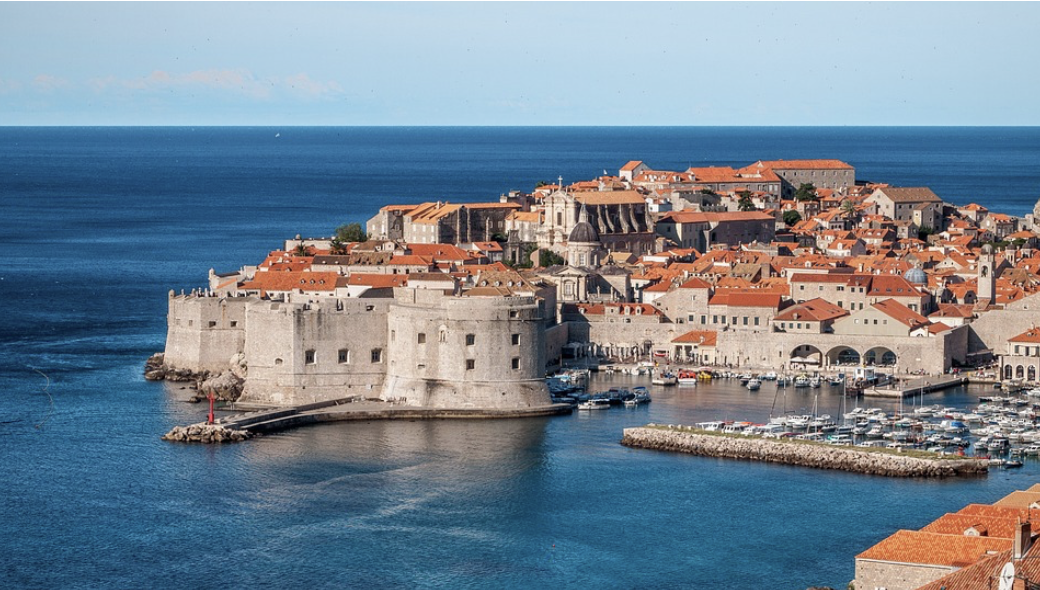
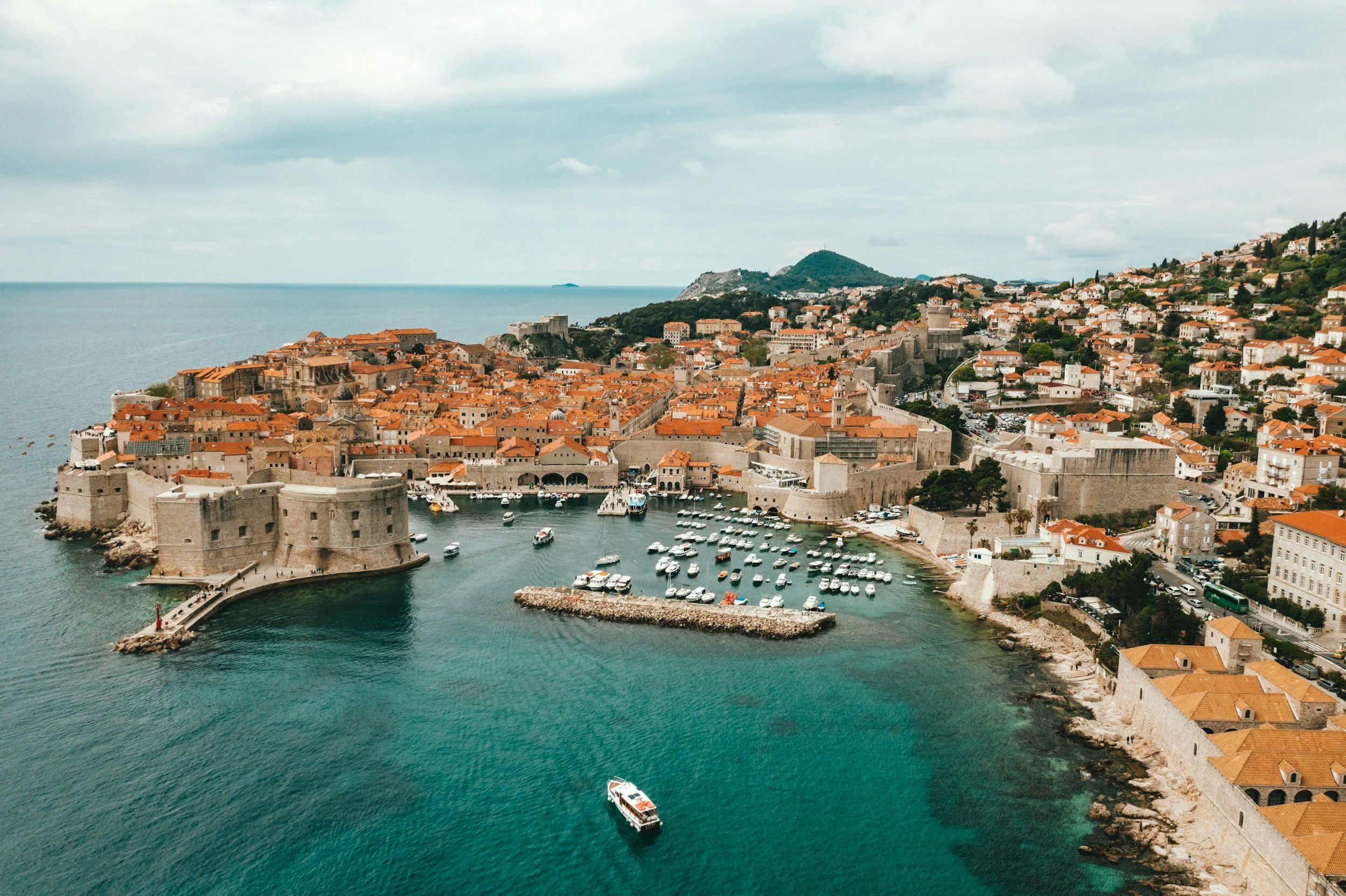
Dubrovnik – The iconic walled city with panoramic sea views and rich Game of Thrones fame.
Split – A lively coastal city built around the Roman Emperor Diocletian’s Palace.
Zadar – Known for its Sea Organ and spectacular sunsets.
Hvar Island – Famous for its lavender fields, nightlife, and upscale vibe.
Plitvice Lakes National Park – A UNESCO site with cascading lakes and hiking trails.
Zagreb – The capital offers a mix of Austro-Hungarian architecture, museums, and modern culture.
Istria – A peninsula with hilltop towns, vineyards, and truffle hunting.
5. What to Pack
Croatia's climate varies by region and season. For summer, pack lightweight clothes, swimwear, sun protection, and sandals. In spring and autumn, bring layers for cool evenings. Comfortable walking shoes are a must, especially for cobbled streets and park trails. For extra comfort, opt for natural fabrics—hypoallergenic cotton socks like those from Q for Quinn help keep feet fresh during long sightseeing days. Don’t forget an EU power adapter (type C or F plugs).
6. Language and Local Etiquette
Croatian is the official language, but English is widely spoken in tourist areas. Learning a few basic phrases like hvala (thank you) or dobar dan (good day) goes a long way in showing respect. Dress modestly when entering churches or monasteries, and always greet people with a friendly “hello” when entering shops or cafes. Tipping is appreciated—usually 10% at restaurants.
7. Food and Drink in Croatia
Croatia’s cuisine is as diverse as its regions. Along the coast, expect fresh seafood, black risotto, and octopus salad. Inland, dishes like peka (meat or seafood baked under a bell) and štrukli (cheese-filled pastry) are common. Istria is known for truffles, olive oil, and wine. Pair meals with local wines or a shot of rakija, a traditional fruit brandy. Vegetarians will find options, but it's best to double-check menus or ask waitstaff.
8. Budgeting and Costs
Croatia offers great value, especially compared to other European coastal destinations. Accommodation options range from affordable hotels in Zagreb Croatia and guesthouses in Split to luxurious seaside villas in Central Dalmatia. Expect to spend around €60–€120/day depending on your travel style. Meals at local konobas (taverns) are budget-friendly, while tourist hotspots may be pricier. Credit cards are widely accepted, but keep cash handy for small towns, markets, and tips.
9. Safety and Health Tips
Croatia is considered very safe for travelers, with low crime rates and a welcoming atmosphere. Still, watch out for petty theft in crowded tourist areas. Tap water is safe to drink, and pharmacies are well-stocked. EU citizens can use their EHIC card, while others should carry travel insurance. In case of emergencies, dial 112 for assistance.
10. Unique Experiences Not to Miss
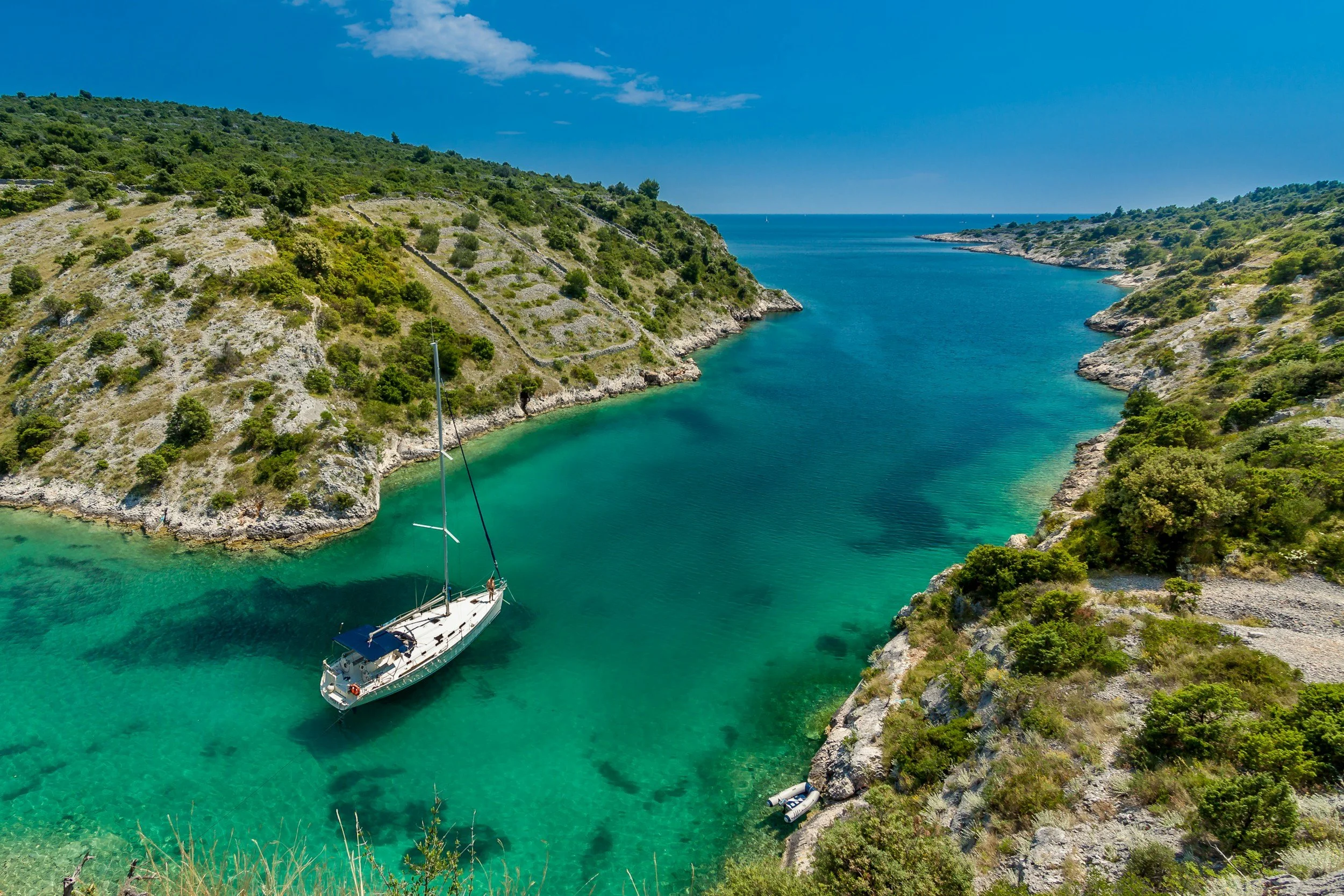
Island Hopping – Explore the Dalmatian coast by ferry or join a private sailing tour.
Plitvice or Krka Waterfalls – Hike through crystal-clear lakes and cascading waterfalls.
Cultural Festivals – From the Dubrovnik Summer Festival to local wine fairs, there’s always something happening.
Olive Oil and Wine Tastings – Especially in Istria and Dalmatia.
Cave Exploring – Visit the Blue Cave on Biševo Island or Modra špilja for glowing blue waters.
Conclusion
Croatia is more than a travel destination—it’s an experience that blends nature, culture, and adventure in the most unforgettable way. With its coastal beauty, welcoming locals, and rich history, it’s a country that caters to every type of traveler. Whether you’re wandering old town alleys, savoring seafood by the sea, or hiking to a hidden waterfall, one thing is certain: Croatia will stay with you long after you leave.