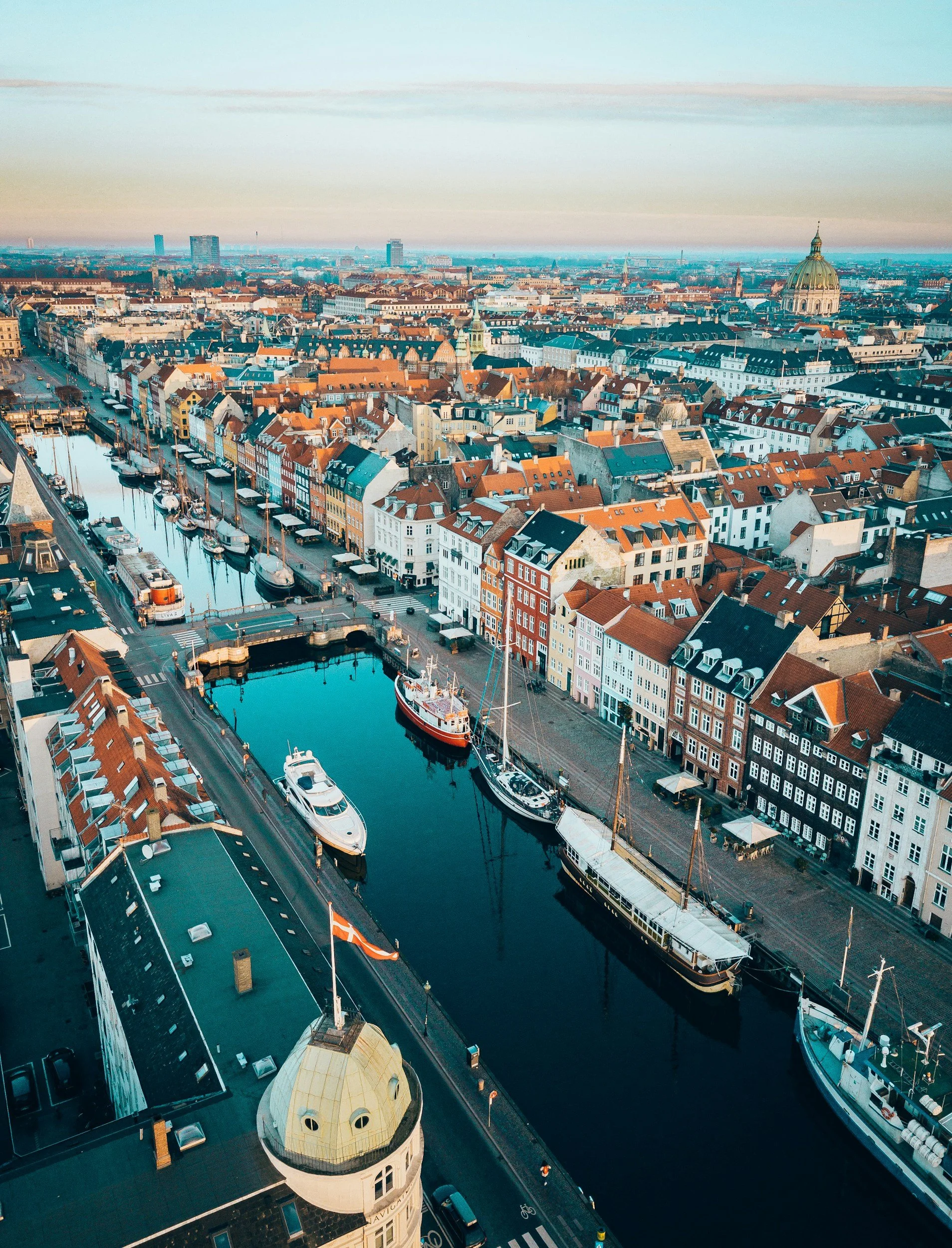
Castles, Cathedrals & Coastal Views: Scandinavia’s Most Beautiful Historic Towns
Scandinavia is known for its dramatic landscapes and modern cities, but some of its most unforgettable places are the historic towns that sit quietly between the mountains, islands, and coastline. A nordic countries tour often includes capital cities, yet the true charm of the region reveals itself in its smaller, beautifully preserved settlements. These are places where medieval streets meet royal architecture, where fishing boats bob in peaceful harbours, and where every corner feels like a postcard.
Whether you love history, architecture, or slow wandering through cobbled streets, these stunning towns show the softer, more romantic side of the Nordic world.
Ribe, Denmark: A Window Into the Viking Age
Ribe is Denmark’s oldest town, and it feels like stepping into a living museum. Timber houses line narrow streets that have barely changed in centuries. The sound of church bells from Ribe Cathedral drifts through the air, creating an atmosphere that invites you to slow down.
The town was once a major Viking trading hub, and you can still feel that heritage at the Ribe Viking Centre. Here, craftsmen, storytellers and costume-clad guides recreate the daily life of the Norse people with incredible detail.
Ribe is not about rushing from attraction to attraction. It is about walking beside the river at sunset, admiring colourful houses, and imagining the centuries of life that unfolded on these quiet streets.
“There is something almost hypnotic about Ribe,” according to Finish Tour Operator, Scandi Travel. “You feel the history the moment you arrive, not in a dramatic way, but in a quiet, steady way that settles into your bones. The timber houses, the cobbled streets, the cathedral bells, they all work together like an old orchestra. You do not rush here. You walk, you listen, and you begin to imagine the lives of merchants, sailors, families and storytellers who walked these same paths a thousand years ago. Ribe shows you that the best way to understand the past is simply to slow down long enough to let it speak.”
Roskilde, Denmark: Cathedrals and Kings
A short distance from Copenhagen, Roskilde offers one of Scandinavia’s most impressive historic sights. Roskilde Cathedral is a UNESCO World Heritage site and the burial place of Danish monarchs for nearly 1000 years. The twin spires rise above the town and can be seen from miles away, signalling its importance long before you step inside.
The cathedral’s royal chapels are a journey through architectural styles, from Gothic stonework to Renaissance ornamentation. Each chamber tells the story of a different dynasty and reflects how Denmark evolved over the centuries.
After exploring the cathedral, wander down to the harbour and visit the Viking Ship Museum. Several original longships, excavated from the nearby fjord, are displayed with remarkable detail. It is one of the most atmospheric museums in the Nordics, mixing maritime history with coastal scenery.
Stavanger, Norway: Wooden Houses and Coastal Quiet
On Norway’s southwestern coast sits Stavanger, a charming town where white wooden houses line the hillside overlooking the harbour. The old quarter, known as Gamle Stavanger, is made up of more than 170 preserved timber homes. Each one has its own personality, with flowers, small gardens, and painted shutters adding to the charm.
The cobbled lanes invite slow exploration. There is no rush here, only the sound of seagulls and the scent of the sea. It is the perfect place to pause during a nordic countries tour, especially if you want a break from the bustle of larger cities.
Stavanger Cathedral, dating back to the 12th century, is another highlight. With Romanesque and Gothic details and a peaceful interior, it remains one of the best preserved medieval churches in Norway.
Bergen, Norway: A Storybook Harbour Framed by Mountains
Bergen is often described as Norway's most beautiful city, and its historic Bryggen Wharf is a key reason why. The row of colourful wooden buildings has been standing since the days of the Hanseatic merchants, who traded fish, stockfish and goods across Northern Europe.
Wandering between the narrow alleyways behind Bryggen reveals crooked staircases, hidden courtyards, and workshops filled with local crafts. It is easy to imagine traders and sailors hauling their goods along the same planks centuries ago.
Bergen also serves as a gateway to Norway’s fjords. A short walk from the harbour, you can take the Fløibanen funicular to the top of Mount Fløyen. From there, the town spreads out below in a tapestry of rooftops, mountains, and sea. The combination of history and natural beauty is what makes Bergen so unforgettable.
Visby, Sweden: Medieval Walls and Summer Magic
On the Swedish island of Gotland lies Visby, often called the Pearl of the Baltic. It is one of Europe’s best preserved medieval towns, surrounded by thick stone walls and towers that stretch for more than three kilometres.
Inside the walls, cobblestone lanes wind past church ruins, blooming rose bushes, and terracotta-roofed houses. Visby feels almost unreal at times, like a film set brought to life. In summer, when the scent of flowers fills the air, the town becomes even more enchanting.
The history here is rich. Visby was a powerful Hanseatic trading centre, and its wealth can be seen in its grand churches and merchant houses. Yet despite its past importance, the town remains wonderfully peaceful.
Porvoo, Finland: A Pastel-Coloured Postcard
Porvoo is one of Finland’s oldest towns and one of its most photogenic. The highlight is the riverside, where red wooden warehouses reflect in the water. These structures were once used to store goods from trading ships and now form one of the most iconic views in the Nordics.
The Old Town is filled with pastel-coloured wooden houses, cosy cafés, and small boutiques. Walking the hilly streets reveals new surprises at every turn, from hidden gardens to traditional bakeries serving Finland’s famous cinnamon buns.
The slow pace is exactly what makes Porvoo special. It offers a calm, warm atmosphere that many travellers remember long after leaving.
Tórshavn, Faroe Islands: Turf Roofs and Ocean Breezes
Though not technically part of mainland Scandinavia, the Faroe Islands sit within the Nordic cultural world and offer some of the most unique historic architecture in the region. Tórshavn, the capital, feels like a small village despite its importance.
Black-timber houses with grass roofs cluster around narrow lanes, giving the town an almost storybook charm. The harbour is filled with pastel boats, and the views of the surrounding cliffs and sea are stunning in every direction.
Visiting Tórshavn is a reminder of how diverse the Nordics are, with cultures shaped by isolation, weather, and community spirit.
A Journey Through Time and Beauty
A nordic countries tour is not only about exploring capital cities. These smaller historic towns reveal the soul of the region, from Viking heritage to medieval trade routes and coastal traditions.
In every town, the past is woven into the present. Wooden houses lean slightly with age, cathedrals rise above quiet squares, and fishing harbours continue to anchor daily life.
For travellers seeking authentic charm, history, and breathtaking scenery, Scandinavia’s storybook towns offer some of the most memorable experiences in the North.