West Crete by Car: routes that make the island feel bigger in the best way
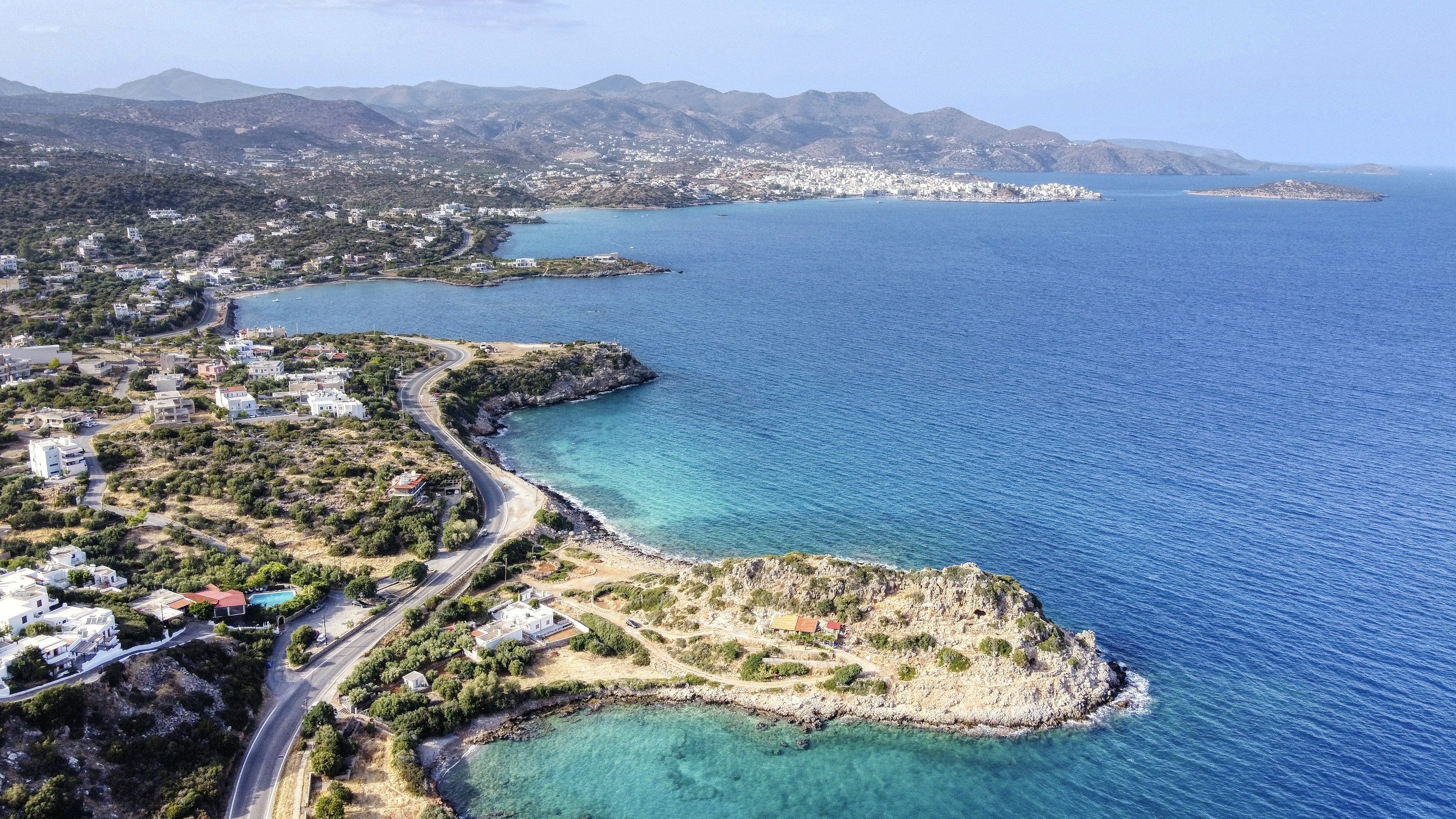
Travelers come to West Crete for three things that fit perfectly together. A lively old town in Chania where you start and finish the day with a walk by the lighthouse. Beaches with water so clear you can see your footprints in the sand. Mountain roads that curl through gorges and plateaus and then drop back to the sea. The map looks small, yet every valley hides a village and every turn opens a different view. The easiest plan is to land in Heraklion, pick up a car, and head west with time to stop whenever something catches your eye. You can simply rent a car at Heraklion Airport and be on the highway a few minutes after collecting your luggage.
First base in Chania
Chania works well as a first base. The town is compact and vibrant, with a Venetian harbor, narrow lanes, and small restaurants where dinner keeps stretching into the night. Park slightly outside the old town and enjoy the walk in. If you still need wheels once you are here, compare cars for rent in Chania and choose a small model for the lanes or a taller car if your plan includes mountain detours.
The Akrotiri peninsula and the first coastal loop
Start easy with a loop on the Akrotiri peninsula east of Chania. The road to Stavros beach bends through low hills with views of the sea. On the way back stop at the Agia Triada Tzagaroli monastery set among olive groves. The monastery sells its own olive oil and wine, and the courtyard is a quiet place to rest before returning to town. The roads here are smooth and wide, perfect for getting used to local driving.
Balos and Gramvousa
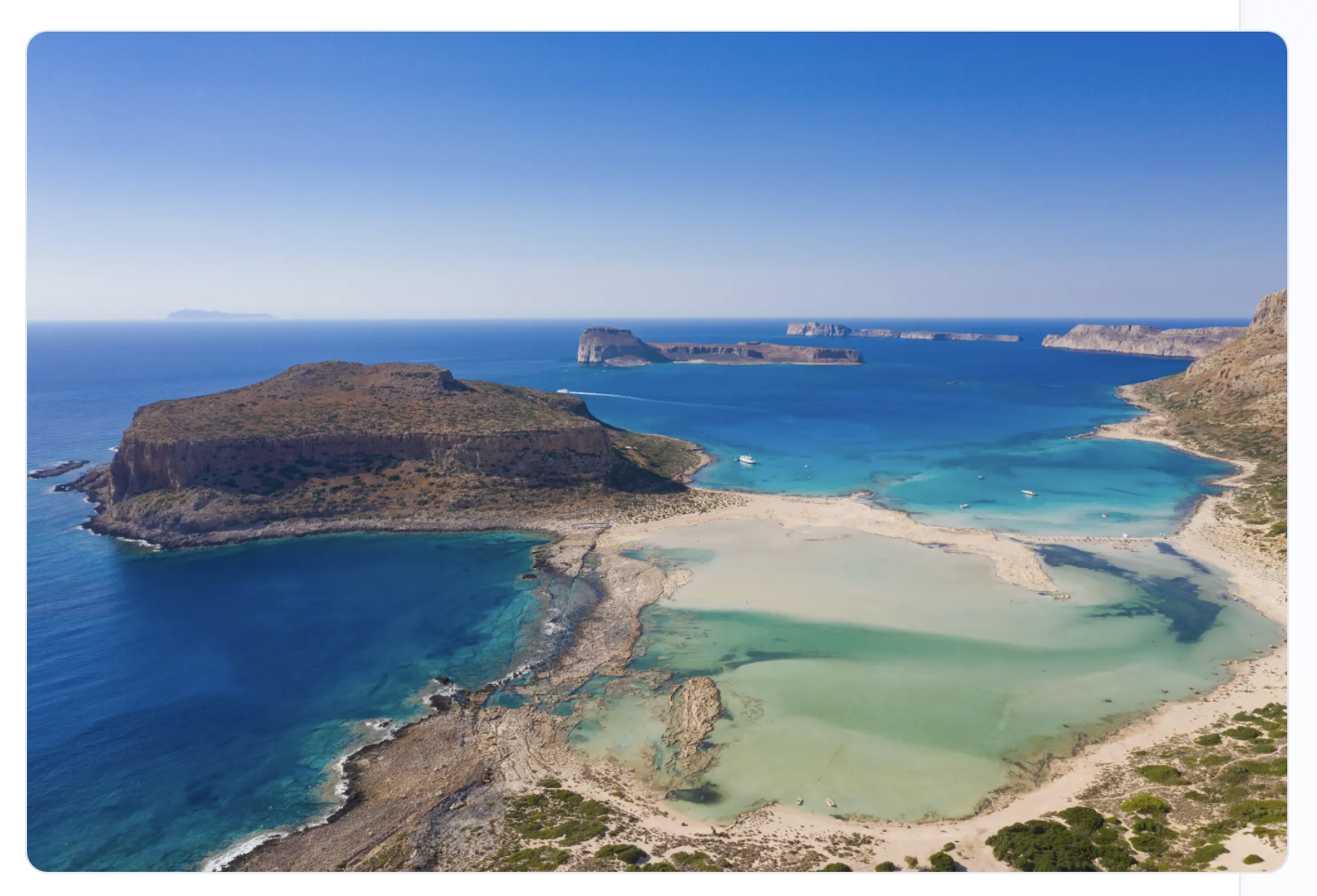
The end of the Rodopou peninsula looks like a painting, and Balos lagoon is the scene on the postcard that convinced many people to visit Crete. The approach by car is part of the story. Drive to the parking above the lagoon, then walk down a path with the water shining far below. The views on the descent are the reward. The final stretch of road is unpaved and bumpy, fine for a careful driver on a dry day, but do not rush. If you prefer less dust, take the small boat from Kissamos and enjoy the same turquoise water from the sea.
Falassarna and the Topolia road
From Chania head west on the main road and then cut inland at Topolia. The road enters a narrow gorge with small tunnels carved in the rock and a chapel that clings to the cliff. Stop for fresh orange juice at a café with a balcony over the gorge. Continue to Falassarna where long sand and sunset views feel endless. The wind can be strong in the afternoon which keeps the sea fresh. If you like an easy adventure, climb the low hill at the southern side of the beach for a panorama with the whole bay laid out in front of you.
Elafonissi and the monastery of Chrysoskalitissa
The drive to Elafonissi is another highlight. Leave early from Chania and follow the inland road through the villages of Elos and Kefali. The scenery changes from chestnut trees to coastal scrub as you approach the west coast. Park near the monastery of Chrysoskalitissa and step up to the terrace for a view over the lagoon. Elafonissi itself has shallow pink tinged water that warms quickly in spring. Walk across the sandbar to the islet to find quieter corners. The return route can be different. Drive north along the coast through small coves and simple tavernas for a slow day that ends in Kissamos.
Theriso gorge to the Omalos plateau
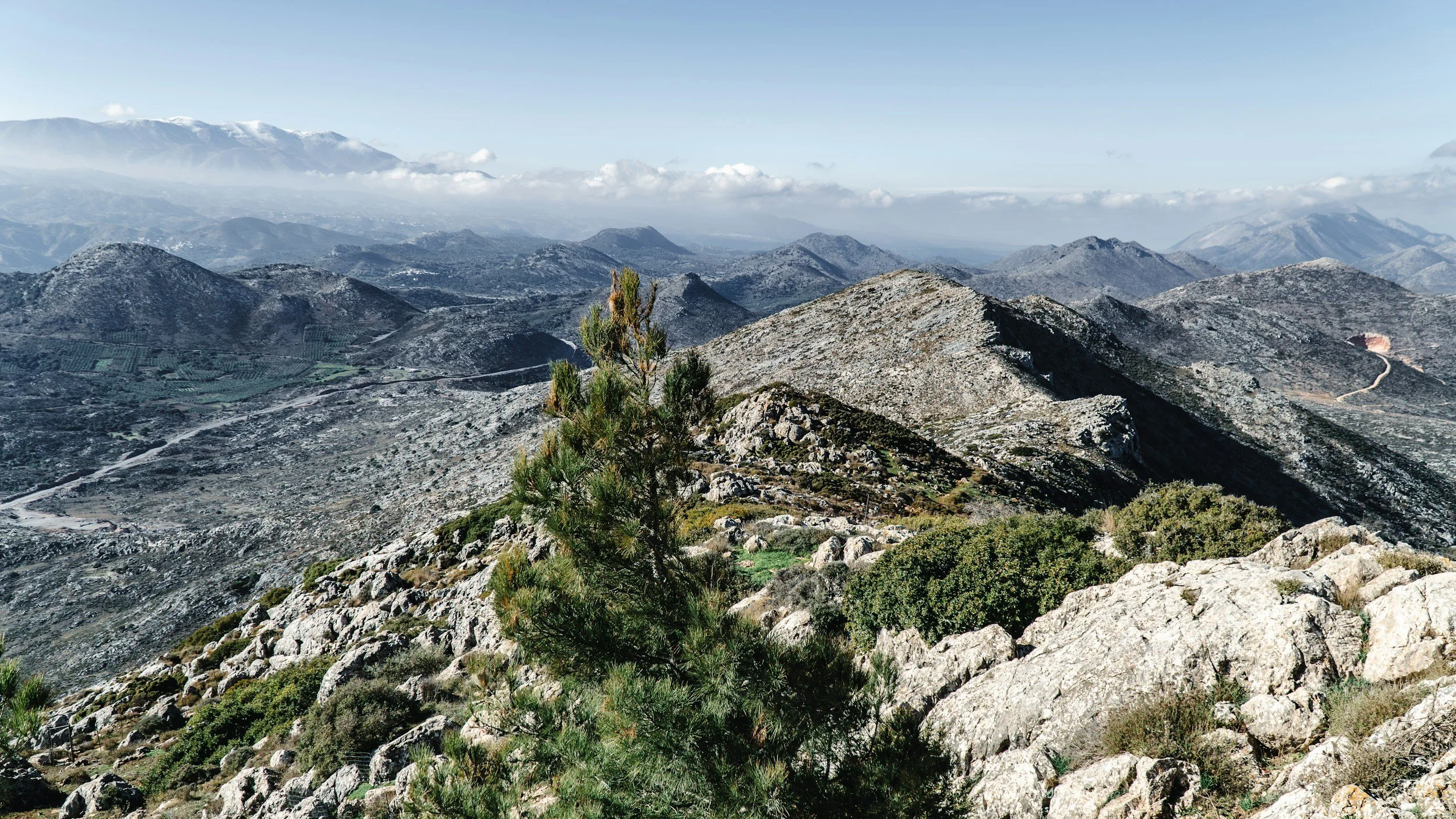
For a taste of the mountains take the road from Chania to Theriso. The gorge is narrow and shaded with plane trees, and in the morning you will share it with cyclists and the sound of the river. From the village of Theriso continue upward to the Omalos plateau. This is the natural balcony of West Crete and the starting point for the Samaria Gorge. Even if you do not plan to hike, the drive is worth it. The road climbs with generous curves and the air cools as you reach the plateau. Sheep graze under walnut trees and the mountains form a circle all around you. Have lunch at one of the mountain tavernas that serve local cheese and stews. Return to Chania the same way or make a long loop south to Sougia if you are confident with mountain driving.
Samaria Gorge and the sea at Agia Roumeli
Hikers from all over the world come for Samaria. The classic plan is to leave the car at Omalos, walk through the gorge to Agia Roumeli on the Libyan Sea, and then take the ferry to Chora Sfakion or Sougia. From there a bus returns to Omalos. This is a full day that gives you towering walls, a riverbed path, and the simple joy of swimming at the finish line. If you are not hiking you can still experience the southern coast by driving to Chora Sfakion and taking a short ferry ride to Loutro, a village with white houses that reflect on water as still as glass.
Imbros and the road to the castle by the dunes
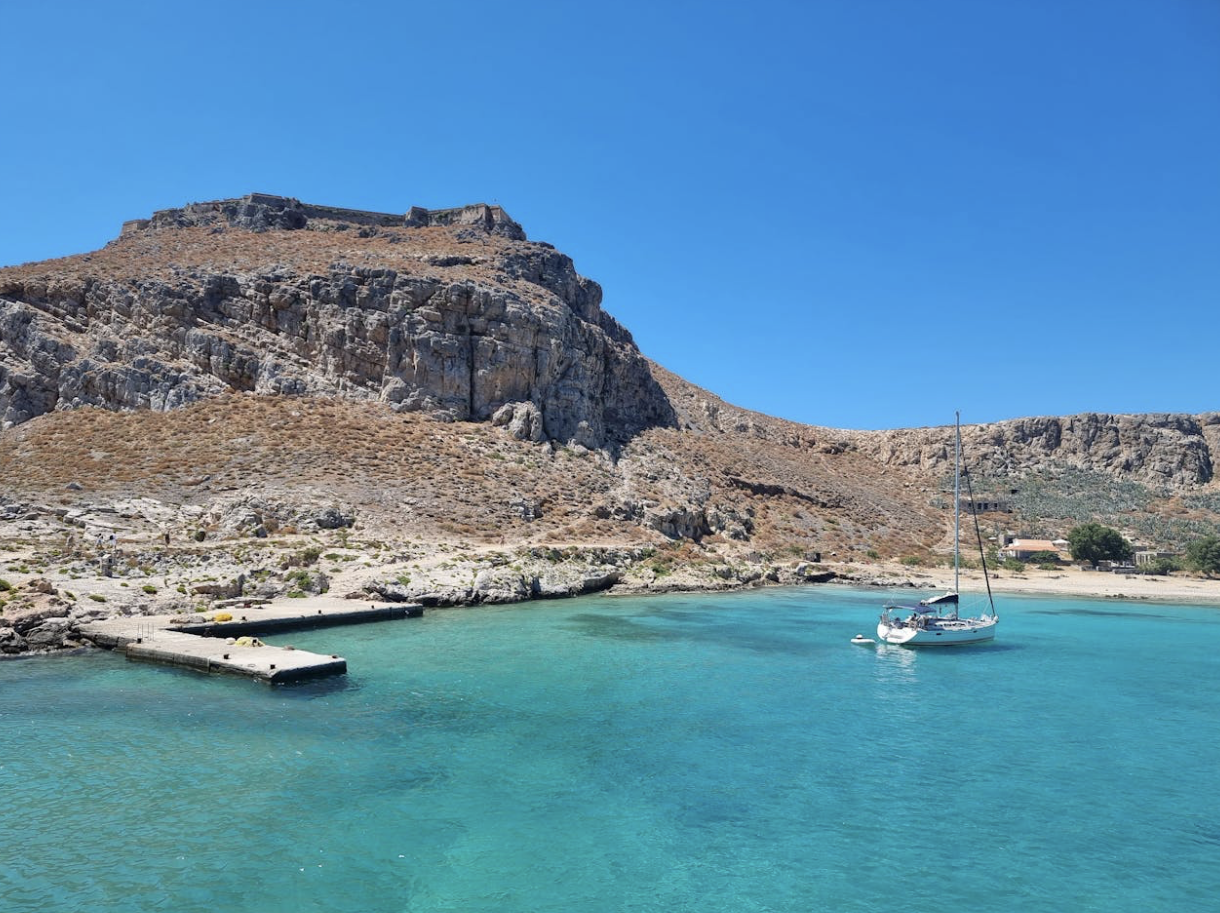
The drive from Chora Sfakion to Frangokastello is one of the most relaxing coastal cruises in Crete. The sea sits to your right the whole time, the mountains rise to your left, and the road rolls gently between small olive groves and quiet beaches. Frangokastello has a Venetian fortress set on a flat plain, with wide sand and shallow water that families love. Early morning or late afternoon are best here. The light turns soft and the castle looks like a film set.
The vineyards and villages behind Chania
West Crete is not only coast and gorges. The area behind Chania is full of orange groves and small vineyards. Drive through the Kolymvari and Vouves area to see the ancient olive tree of Vouves, which locals say is thousands of years old. Nearby wineries offer tastings, and country roads link farmhouses, chapels, and fields where you can stop for photos without another car in sight. It is a gentle day that balances the more famous sights.
Rethymno for an afternoon
Rethymno sits between Heraklion and Chania and deserves at least an afternoon on any itinerary. The old town has wooden balconies, a long promenade, and a fortress above the harbor. The coastal road between Chania and Rethymno is straightforward, with occasional views of the sea and the White Mountains. It is a good stretch to drive at sunset when the sky glows over the water.
Practical notes for drivers
Road quality is mostly very good. In gorges and on plateau approaches the lanes can be narrow, so keep right on blind bends and use pull outs to let faster cars pass. Fuel stations are frequent on the main routes and accept cards. In villages, park where locals park and always leave space for farm vehicles to pass. Summer can be hot by midday, so try to drive mountain sections in the morning and swim in the afternoon. Keep some coins for small private parking lots near popular beaches.
If you plan to start in Chania and return from Heraklion at the end of your trip, it is perfectly doable to book one way rentals from Chania to Heraklion which lets you finish close to the airport without backtracking. This is handy for routes that keep moving west to east or east to west.
A few easy day plans
One plan for first timers is a three day triangle. Day one in Chania old town and the Akrotiri loop. Day two to Falassarna with the Topolia gorge detour. Day three to Elafonissi with the inland route going and the coastal road returning. Another plan is a mountain and sea pairing. Start with Theriso and the Omalos plateau, then continue to Sougia or Chora Sfakion for a swim and a late seafood lunch before driving back to Chania in the soft evening light.
Food is part of every route. In mountain villages try stamnagathi greens with eggs, local graviera cheese, and slow cooked lamb. On the coast order grilled fish by weight and let the kitchen choose what is freshest. Watermelon appears at many meals as a friendly gift at the end. People take pride in their products and are quick to share advice about where the next road leads. Accept these tips. They often point to a small church on a hill or a beach with a stand of tamarisk trees where the shade arrives exactly when you need it.
West Crete welcomes a slow traveler. The best days are the ones where you leave Chania after breakfast, promise nothing to the clock, and follow the road that looks most interesting. The island gives you mountains, gorges, and the Libyan Sea. A car ties them together and turns a map of names into a very real journey.