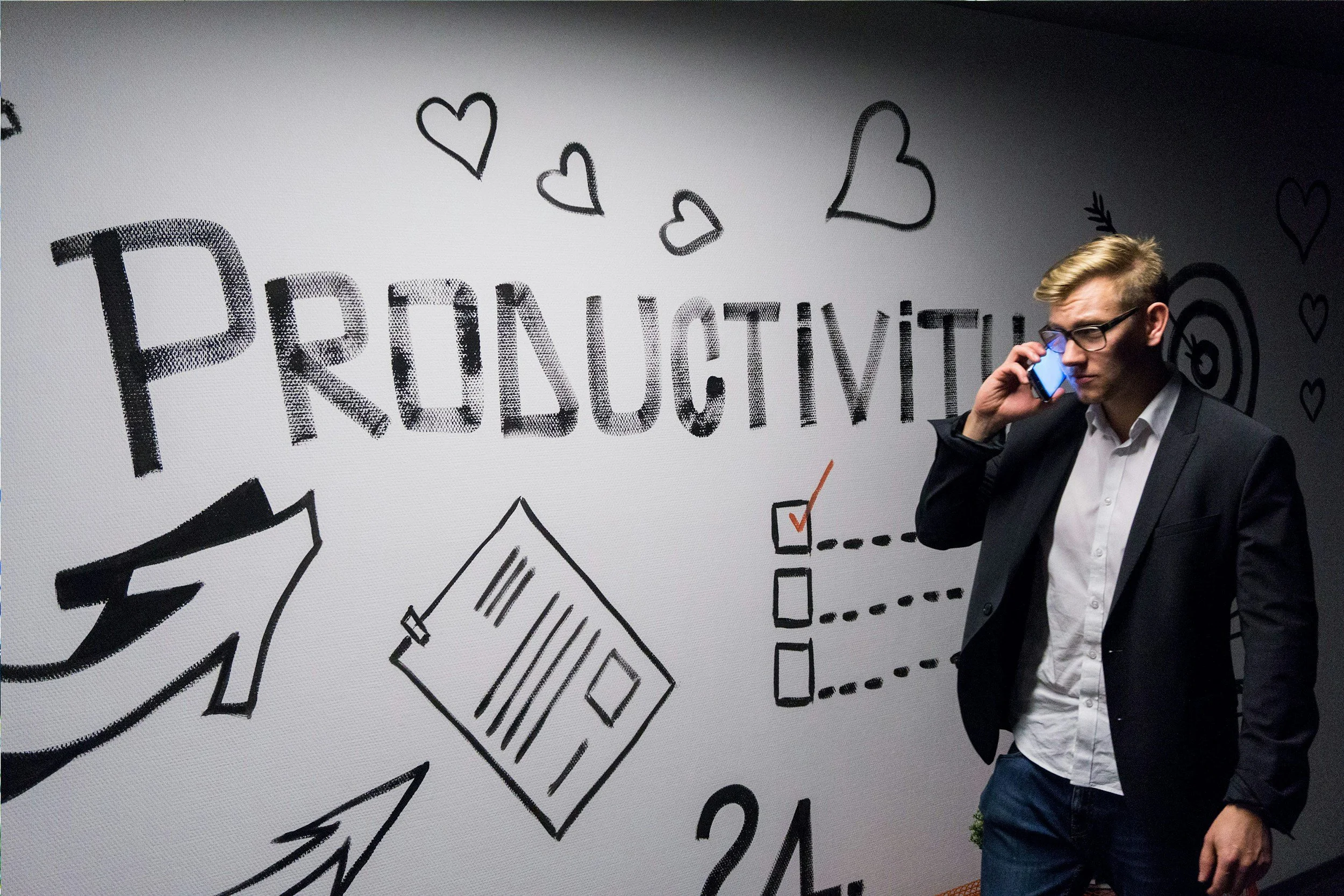
Boosting Productivity in a Coworking Environment: Myths and Facts
Coworking spaces have revolutionized people's work by offering dynamic alternatives to traditional offices. As more individuals, startups, and even corporations gravitate toward shared work environments, questions arise about whether these spaces genuinely support productivity. Some argue they’re full of distractions; others believe they inspire collaboration and innovation. Between these two perspectives lies a web of myths and realities that shape expectations and outcomes. To understand whether coworking boosts performance or hampers it, we must separate perception from truth. We will explore what contributes to productivity in coworking environments and what beliefs might hold teams and individuals back.
Common Myths and Realities About Coworking and Productivity
1. Myth: Coworking spaces are always noisy and distracting
One of the most common misconceptions about coworking environments is that they are inherently noisy and chaotic. People often envision open spaces with chatter, ringing phones, and interruptions. While some coworking spaces have open areas, this doesn’t automatically equate to disorder. Many coworking hubs include designated quiet zones, phone booths, and private offices to cater to different working styles. Productivity doesn’t depend on silence; it relies on the right environment for the task at hand. To see how a balanced coworking space is thoughtfully structured, you can visit website listings like CMPND’s, which showcase the variety of work settings available for different needs.
Access to calm zones is vital for those who thrive in focus-intensive tasks. Others find energy and motivation in a mild buzz of activity. A flexible layout accommodating various needs is a hallmark of well-managed coworking setups like CMPND’s 97 Newkirk location. Instead of assuming every coworking environment lacks structure, it’s more accurate to assess how they enable individuals to find the setting that suits them best.
2. Fact: Community support can enhance motivation and creativity
A lesser-known but genuine benefit of coworking spaces is the psychological uplift from community interaction. Working alone or from home often leads to isolation, which can dampen motivation over time. In contrast, being around like-minded professionals in a coworking space often leads to spontaneous idea-sharing, informal collaboration, and a renewed sense of purpose. These environments foster a natural sense of accountability and momentum.
When people see others around them immersed in their goals, it often acts as a silent motivator. There’s also value in proximity to individuals from different industries; this cross-pollination of perspectives can help solve problems more creatively than working in a silo. To nurture these interactions, many coworking spaces organize networking events, workshops, and casual meetups. The result is social engagement and a tangible impact on creative thinking and productivity.
3. Myth: Productivity is higher in private, traditional office settings
It’s often assumed that traditional offices provide the optimal environment for focused work, but research challenges this notion. Fixed, hierarchical workspaces can sometimes lead to stagnation and reduce innovation. Traditional offices may have set routines but can foster complacency and limit personal agency. Coworking environments, by contrast, encourage self-management and adaptability.
Individuals who choose when and how to engage with others often report greater autonomy, a trait closely linked to increased productivity. While traditional offices offer consistency, coworking spaces offer control—the freedom to work in different settings based on daily needs, whether sitting at a communal table, retreating to a private booth, or using a conference room. Rather than viewing coworking as an alternative that compromises productivity, it can be reframed as a model that promotes agile, responsive work habits suited for today’s fast-paced demands.
4. Fact: Infrastructure and amenities matter more than the setting itself
A workspace's impact on productivity often hinges less on whether it’s shared or private and more on the tools and services it offers. High-speed internet, ergonomic seating, accessible printing, and clean, organized spaces contribute to efficient workdays. When these essentials are lacking—even in a private office—productivity suffers. Coworking environments like CMPND often go beyond basics by offering modern kitchens, secure access, on-site parking, and wellness amenities that support work-life balance. These elements create a seamless day-to-day experience, where workers can stay focused without unnecessary interruptions.
Amenities like coffee bars, phone booths, and soundproof rooms are not luxuries; they’re the foundations of a well-rounded workspace. Therefore, productivity isn’t solely a function of who you share space with, but how well that space is designed to remove friction from your workflow. This consideration can make all the difference in whether a coworking environment becomes a productive haven or a frustrating hurdle.
Coworking environments have come a long way from being niche spaces for freelancers. Today, they represent a robust, adaptable solution to the evolving needs of a diverse workforce. Myths surrounding noise, distractions, and limited applicability can mislead individuals into overlooking these environments' real advantages. When thoughtfully designed and well-maintained, coworking spaces can enhance focus, stimulate innovation, and support personal accountability in ways that traditional settings often fail to match. Ultimately, productivity isn’t tied to a specific location—it’s about how the environment aligns with personal work styles and provides the infrastructure to support them. With coworking models like those found at CMPND, workers gain a desk and an ecosystem built for sustained motivation and success.