Navigating Property Management for Small Businesses: How to Keep Tenants Happy and Profitable
Managing rentals as a small business isn’t just about filling vacancies. You're coordinating lease renewals, handling service requests, and maintaining good tenant relationships, all while staying compliant. Today, many small operators are moving toward digital tools that help with tasks like lease tracking, maintenance requests, and tenant screening. By setting up an efficient system early on, businesses can avoid issues that often lead to tenant turnover. The result is better satisfaction, smoother operations, and stronger long-term performance for small rental operators.
Here's how you can improve tenant satisfaction:
Understand What Matters Most to Your Renters
Tenants expect timely responses, reliable upkeep, and lease terms that feel fair. They want an easy way to get in touch and know their concerns will be addressed. If you stay in regular contact, you're less likely to be surprised by complaints. Ask about their experience once they’ve settled in. Are maintenance requests handled fast enough? Is communication clear? Listening builds trust and encourages longer stays. Keep the tone friendly and solution-oriented. Whether through brief surveys or casual check-ins, this feedback helps you make small changes that have a big impact. When renters feel heard, they’re more likely to stay and recommend your rental to others.
Simplify Processes with the Right Software
Many small-scale operators don’t have time to track every application, repair request, and tenant message manually. This is where online tools can help. Visit http://rentsafe.lease/ to explore how online platforms can allow business owners to screen applicants, manage lease agreements, and track maintenance requests all in one dashboard. It also gives renters better access to important documents and updates. The system saves time by automating repetitive tasks like background checks and rent reminders. For renters, it creates a more seamless experience. For operators, it reduces miscommunication and improves efficiency. A centralized tool makes tenant management easier and less stressful. When your process runs smoothly, both parties benefit from fewer delays and fewer errors.
Get Agreements Right the First Time
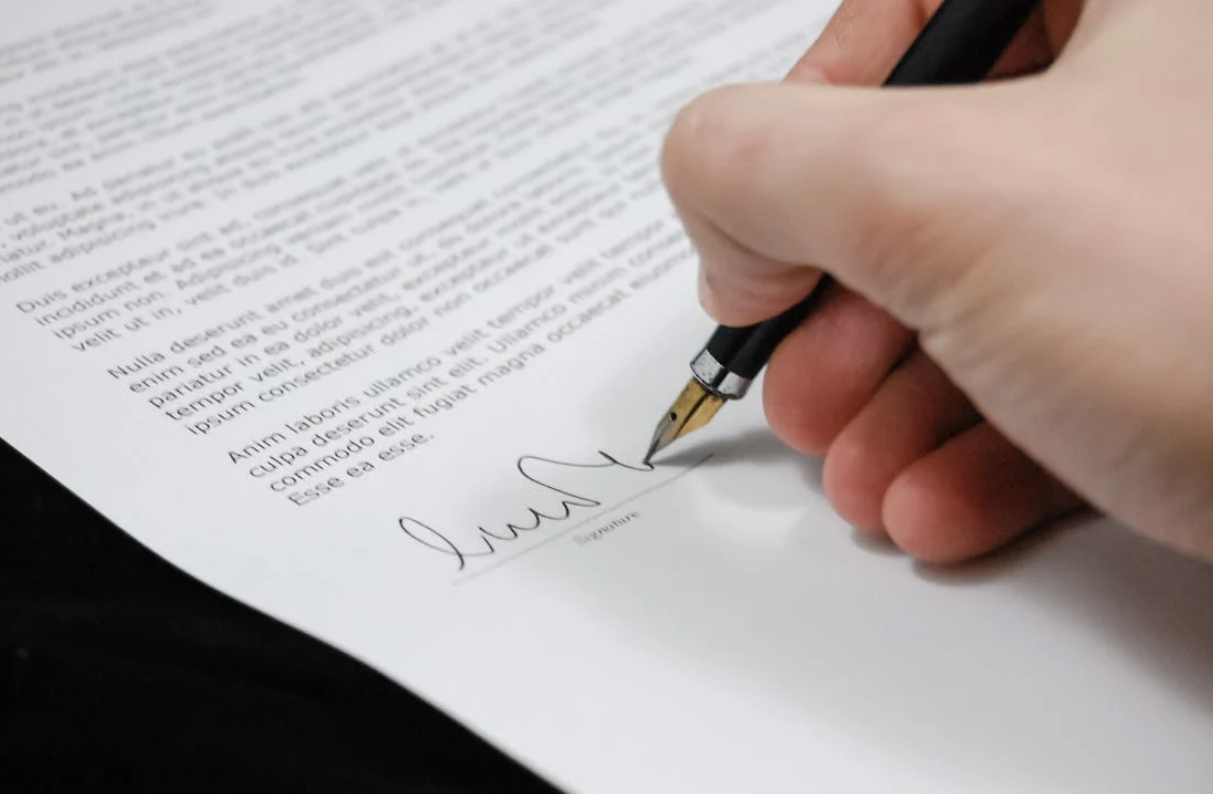
A solid lease agreement protects both sides. Spell out rent terms, late fees, how to report problems, and how long you need to respond. Review the document with your renter before move-in. Don’t assume they’ve read it all. Going over details together prevents confusion and sets a clear tone. Be honest and firm but open to questions. A well-structured agreement makes your expectations clear. If a problem comes up, you’ll both have something to refer to. You can also include details like inspection schedules or communication preferences. Being proactive in this way shows you're organized and fair. It builds trust and avoids bigger issues later on.
Respond Like You Mean It
Tenants want to feel heard. Responding quickly to messages, even with a short update, helps build confidence in your management style. If a fix will take time, just say so. Many renters are understanding as long as they know what's happening. Use tools that help track conversations and follow up on pending tasks. This makes it easier to keep everyone informed. Avoid vague replies or leaving messages unanswered for days. Timely updates reduce frustration and set a more respectful tone. When tenants know you're paying attention, they’re more patient and less likely to escalate concerns. In turn, your reputation improves, and tenant turnover stays low.
Fix Things Before They Break
Small issues can turn into big complaints if ignored. That’s why it’s smart to schedule routine walk-throughs and check for common problems like flickering lights, door latches, or noisy appliances. These may not seem urgent, but fixing them early shows you're attentive. Create a checklist that helps you stay on top of common wear and tear. Many renters won’t mention things unless they’re serious. Don’t wait for that. When you handle minor issues fast, tenants feel like the place is well taken care of. This helps them take better care of it, too. Staying proactive also saves time and money in the long run.
Offer Simple and Flexible Rent Payment Options
Renters appreciate easy payment methods. Using tools that support card payments, bank transfers, or mobile options gives tenants more control and helps you get paid on time. Set clear due dates, send gentle reminders, and make sure the process doesn’t feel complicated. A payment portal that keeps everything in one place reduces stress for both sides. You don’t need to handle everything manually. Even small landlords can use simple tech that tracks payments and late fees. A smoother payment process means fewer awkward conversations. You’ll also spend less time chasing missed deadlines. Giving tenants convenience without compromising clarity helps build better long-term relationships.
Stay Compliant with Local Rental Laws
Every city has its own rules when it comes to rentals. You’ll need to know the basics, like security deposits, inspection notices, and proper notice for changes. Stay updated with changes in local ordinances and guidelines. If you’re unsure, check government websites or ask a legal advisor who understands rental law. Keeping your paperwork in order protects you during disputes. Use templates that match your city’s requirements and avoid using generic contracts. Clear knowledge of the rules keeps you from making costly mistakes. Staying compliant helps build trust and keeps you on solid footing when something unexpected comes up during a lease period.
Ask for Feedback After Move-In
Once a tenant has been living in the unit for a month or two, reach out and ask how things are going. Keep your questions short and direct. Was the move-in smooth? Any repair issues? Is anything unclear? Their answers help you make smarter decisions for future tenants. You don’t need a long survey. A few simple questions by email or text can provide valuable insight. Tenants appreciate being asked. It shows that you’re paying attention and not just collecting rent. Use what you learn to fine-tune your process. This small step often results in better reviews, stronger communication, and fewer problems later.
Managing tenants successfully doesn’t require massive resources. It takes planning, communication, and a willingness to adapt. When you respond quickly, fix issues early, and use tools that save time, things run more smoothly for everyone. Clear leases, simple payment systems, and smart tenant screening build a better experience. Asking for feedback shows that you care, and making small changes based on that feedback helps you stay ahead of problems. If your workload grows, get the help you need before things slip. The result is a rental business that’s easier to manage, more stable, and far more rewarding over time, for you and your tenants.