SEO strategies for selling cars online
In an age where most car buyers begin their journey online, Search Engine Optimization (SEO) is no longer optional—it’s essential. Whether you're an independent dealer or a major auto group, building a strong digital presence through effective SEO strategies is key to attracting leads and increasing online vehicle sales. From local SEO and keyword targeting to content marketing and technical optimization, every element of your online strategy should work together to ensure your dealership ranks higher in search engine results. Partnering with a car dealership marketing agency can further amplify your results by applying expert-level techniques tailored for the automotive industry. In this guide, we’ll break down the most powerful SEO strategies to help you sell more cars online.
Conduct Targeted Keyword Research for Buyer Intent
The foundation of any effective SEO campaign starts with understanding how potential customers search for cars. Focus your keyword research on terms that reflect different stages of the buyer’s journey—from early research to final purchase intent. For example:
Early stage: “best SUVs for families 2025”
Mid stage: “Toyota Camry vs Honda Accord”
Late stage: “Toyota Camry SE for sale in Dallas”
Use tools like Google Keyword Planner, Ubersuggest, or SEMrush to find high-volume, low-competition keywords. Incorporate both short-tail (e.g., “used trucks”) and long-tail keywords (e.g., “2023 Ford F-150 XLT with low miles”) into your website content, meta tags, and landing pages.
Optimize Vehicle Detail Pages (VDPs)
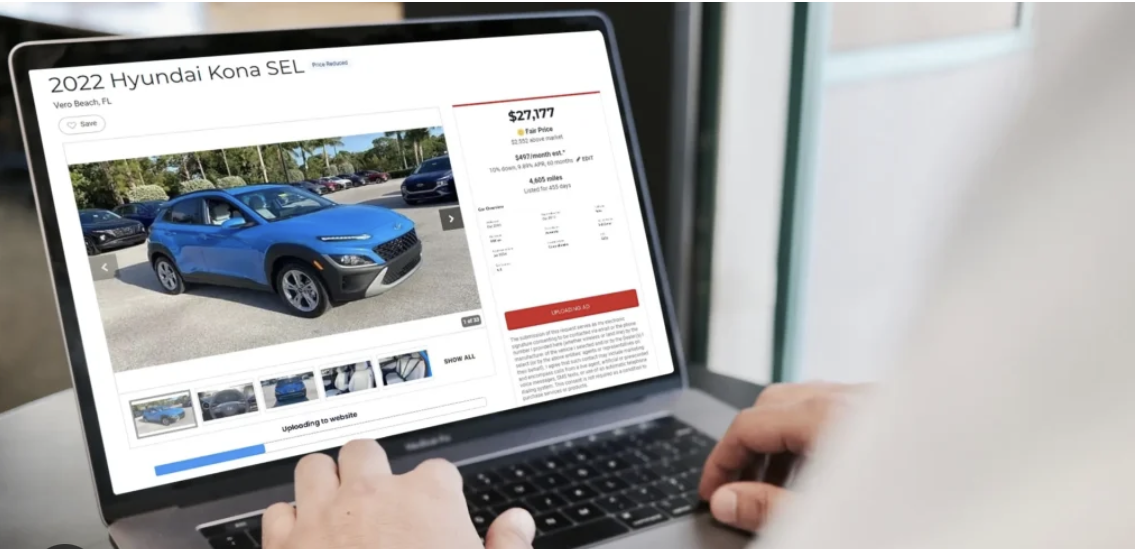
Each vehicle on your site should have its own Vehicle Detail Page (VDP) that’s optimized for both users and search engines. These pages are the core of your online inventory and play a huge role in SEO performance. Ensure every VDP includes:
A unique, keyword-rich title tag and meta description
High-quality images and video of the vehicle
Detailed specifications and VIN
Location-based content (e.g., “Available now in Kansas City”)
Schema markup for vehicle listings to enhance search visibility
Avoid duplicating content across multiple VDPs—even similar vehicles should have customized descriptions.
Focus on Local SEO for Dealership Visibility
Local SEO is crucial for car dealerships since most customers prefer to buy vehicles nearby. Optimizing your site for local search helps ensure your dealership appears in local pack results, Google Maps, and "near me" searches.
Start with these key tactics:
Claim and optimize your Google Business Profile with accurate hours, address, photos, and reviews
Use localized keywords like “used car dealer in Chicago” or “best dealership near Tampa”
Create location-specific landing pages if you operate in multiple cities
Build local citations by submitting your dealership to trusted directories like Yelp, Cars.com, Edmunds, and Yellow Pages
Encourage satisfied customers to leave reviews, as high ratings and regular feedback boost your local rankings.
Create High-Quality, Informative Content
Content marketing isn’t just about blogging—it’s a long-term strategy to establish authority, answer user questions, and capture search traffic. Focus on creating content that helps potential buyers during their decision-making process. Examples include:
Comparison articles: “Toyota RAV4 vs Honda CR-V: Which is Better for 2025?”
Buyer guides: “How to Choose the Best Used SUV Under $25K”
Maintenance tips: “When to Replace Brake Pads on Your Car”
Financing advice: “Lease vs Buy: What’s Right for You?”
Publish content consistently and target keywords with low competition and high intent. Include internal links to your inventory pages and use images or infographics to enhance user engagement.
Improve Mobile-Friendliness and Page Speed
A slow, unresponsive website turns away buyers and hurts your SEO rankings. Since most car shoppers use mobile devices to browse, your dealership’s website must be mobile-friendly, fast-loading, and easy to navigate.
Use Google’s PageSpeed Insights to evaluate load times and implement fixes like:
Compressing images without losing quality
Reducing server response time
Enabling browser caching
Minimizing JavaScript and CSS
Also, ensure your website has a responsive design that automatically adjusts to different screen sizes, improving the experience for all users.
Build High-Quality Backlinks
Backlinks—links from other reputable websites—are one of the strongest ranking factors in Google’s algorithm. Focus on earning backlinks from automotive blogs, news outlets, business directories, and community sites to build your domain authority.
Effective tactics include:
Guest blogging on automotive or local lifestyle sites
Getting listed on auto-related directories and review sites
Sponsoring local events or charities and asking for a link in return
Reaching out to journalists or bloggers to feature your dealership’s story
Avoid spammy link schemes or paid backlink networks, as they can lead to penalties.
Utilize Structured Data and Schema Markup
Adding structured data to your website allows search engines to better understand your content, improving your visibility in rich snippets and featured results. For car dealerships, use Vehicle schema markup on all your VDPs to highlight key details like:
Price
Mileage
Year, make, and model
Availability
Dealer contact information
This not only helps with SEO but also makes your listings more attractive in search engine results by showing extra information like star ratings, pricing, or “in stock” indicators.
Optimize Internal Linking and Site Architecture
A well-organized site structure helps search engines crawl and index your content while also improving user experience. Use clear navigation menus and strategically place internal links to guide users toward high-converting pages like vehicle listings, financing forms, and contact pages.
For example:
Link blog posts about specific car models to their related inventory pages
Use anchor text with relevant keywords when linking internally
Maintain a flat site structure so important pages aren’t buried too deep
This improves SEO equity distribution and increases the chance of individual pages ranking well.
Monitor SEO Performance with Analytics and Tools
Tracking your SEO efforts is essential to understand what’s working and what needs adjustment. Use tools like:
Google Analytics: To measure traffic sources, bounce rates, and goal completions
Google Search Console: To monitor keyword rankings, crawl issues, and indexing
SEMrush or Ahrefs: For competitive analysis, backlink tracking, and keyword insights
Set SEO KPIs such as organic traffic, conversions from search, page rankings, and click-through rates. Regularly audit your website to fix broken links, remove outdated pages, and optimize underperforming content.
Stay Ahead with Technical SEO Audits
Technical SEO refers to optimizing your website’s infrastructure to ensure smooth crawling and indexing by search engines. Conduct regular technical audits to identify and fix issues like:
Duplicate content or pages
Broken internal or outbound links
Missing or poorly structured meta tags
Thin content or empty pages
Improper redirects or canonical tags
Ensure your site has a proper XML sitemap and a clean robots.txt file. Submitting your sitemap through Google Search Console helps ensure new pages are discovered quickly.
Work with a Professional SEO or Marketing Agency
While some dealerships manage SEO in-house, many benefit from working with a specialized car dealership. These agencies understand the unique challenges of the automotive sector, including inventory turnover, OEM compliance, and competitive local markets. An experienced agency can deliver advanced SEO strategies, monitor campaign performance, and make adjustments that drive measurable results faster than a DIY approach.
Conclusion
SEO is a long-term investment that pays dividends when executed correctly. For car dealers looking to dominate local search, generate quality leads, and move more inventory online, a strategic SEO plan is non-negotiable. From keyword research and content creation to technical audits and local optimization, each tactic plays a role in boosting visibility and driving sales. By implementing the strategies outlined above—and partnering with a reliable agency if needed—you can elevate your dealership’s digital presence, outshine competitors, and win in the modern car-buying marketplace.