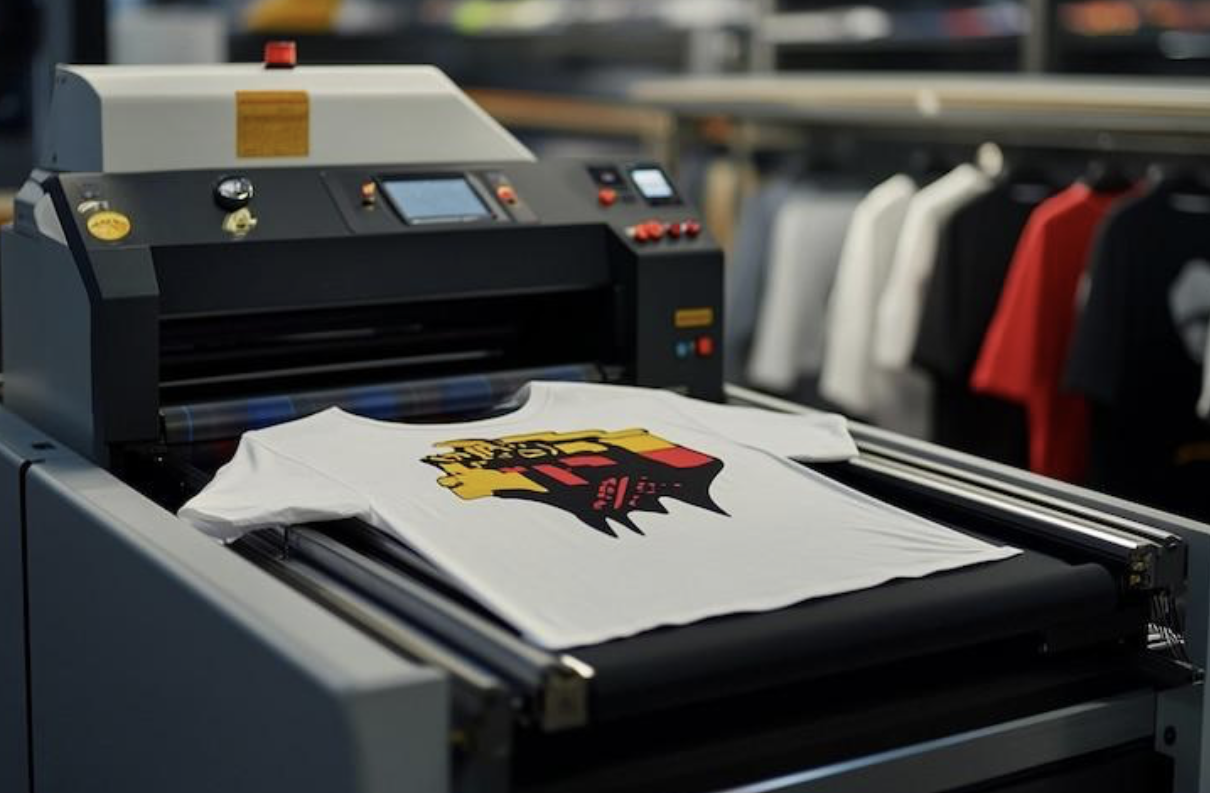
The Benefits of DTF Printing: Why It's Gaining Popularity
If you've been following the world of custom printing, you've probably heard a lot about DTF printing. This new technology is making waves in the industry. But wait, what exactly is it, and why are businesses or creators jumping on board?
Let's take a closer look at DTF printing and explore why it's gaining popularity.
What is DTF Printing?
DTF printing means "Direct-to-Film" printing. Simply, it's a process of design printing onto a special film and then transferring onto fabrics or other surfaces. This can be done with the use of a DTF printing machine, DTF Ink, and a few other key materials to get everything just right.
Instead of printing directly onto the fabric, DTF printing works in two steps. First, the design is printed onto a transfer film using special DTF Ink. Then, the design is transferred from the film to the fabric using heat and pressure. This makes DTF printing versatile and efficient, and it works well on a variety of materials like cotton, polyester, and even leather!
Why DTF Printing Is Becoming a Game Changer?
There are several reasons DTF printing is gaining popularity, especially among small businesses and creators. Let's break it down:
Versatility
DTF printing works on almost any fabric, which is a huge bonus. Whether you're working with light or dark fabrics, cotton, polyester, or even blends, DTF printing has got you covered. This opens up many possibilities for customizing t-shirts, hats, bags, and more. The transfer process also works well on items that other printing methods struggle with, such as polyester fabrics or materials with a lot of texture.
High-Quality Results
One of the reasons DTF printing stands out is the quality of the prints. The colors are vibrant, and the designs come out sharp and detailed. Unlike some other printing methods, DTF printing ensures that the colors won't fade quickly after a few washes. The prints also feel soft against the fabric, which is a nice touch for customers who want their clothes to feel comfortable rather than stiff or rough.
Faster Turnaround Times
Another reason DTF printing is gaining popularity is that it's quicker than many other methods. The process is relatively simple and fast, allowing businesses to offer quicker turnaround times for custom orders. This is especially helpful when customers need custom products in a hurry.
How do I make DTF prints?
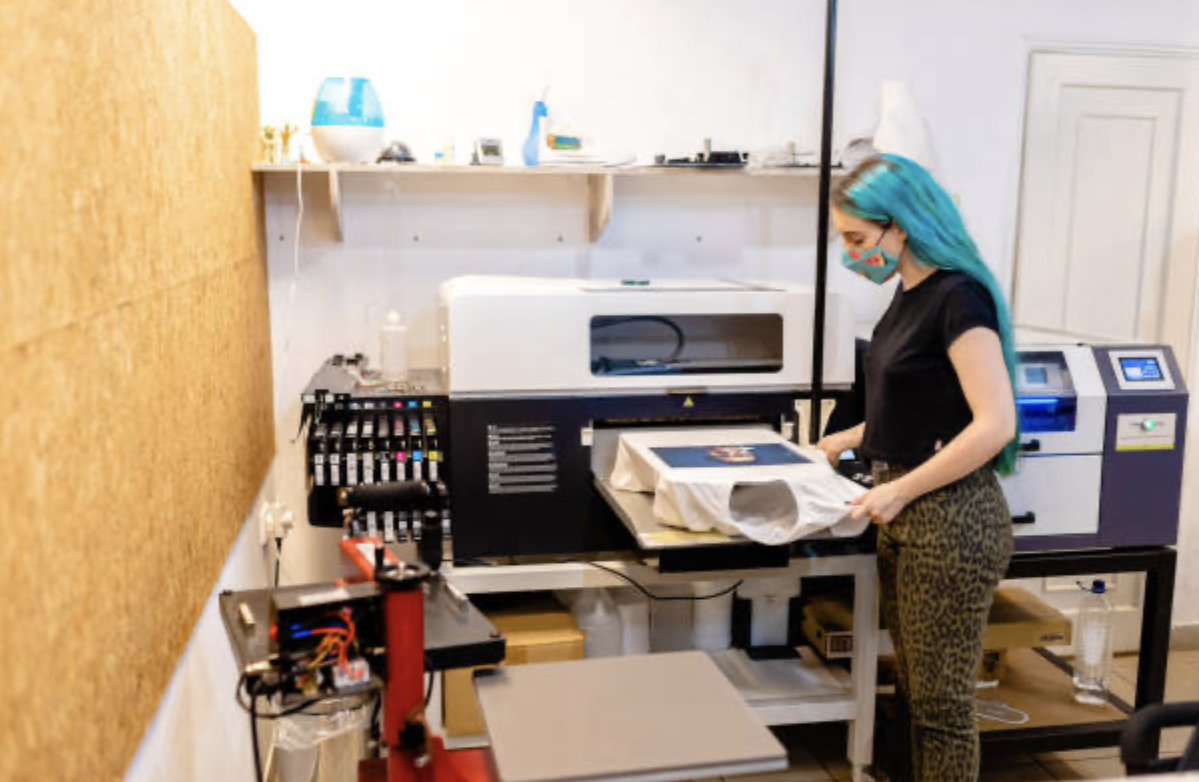
Now that we understand why DTF print is such a game-changer, let's explore how it actually works. Here's a step-by-step breakdown of the process:
Design Creation
The first step in DTF printing is creating your design. You can use any graphic design software to create your artwork, just like you would for other printing methods.
Printing on DTF Film
Once design is ready, it's printed onto a special DTF Film using a DTF printing machine. This is where the magic happens. The design is printed in reverse, so it appears backward on the film. The DTF Ink is what gives your design vibrant colors and durability.
Applying DTF Powder
After printing, DTF Powder is sprinkled over the wet design. This powder helps the ink stick to the fabric when it's transferred. It's a critical step, and it ensures that the print doesn't crack or peel over time.
Heat Transfer
The film is then placed onto the fabric, and heat is applied to it. A heat press machine is usually used for this step. The heat and pressure cause the ink to transfer from the film to the fabric. This part of the process is crucial for achieving a long-lasting, high-quality print.
Peeling the Film
Once the transfer is complete and the fabric cools down, the DTF Film is peeled off, leaving only the design on the fabric.
It's a relatively simple process that yields amazing results, which is part of the reason DTF printing has become so popular in such a short amount of time.
Which is better, DTF or sublimation?
Have you heard of sublimation printing? Then, you may be wondering how they can compare with DTF printing. Both approaches are excellent tools when it comes to producing quality designs, yet they differ in certain ways.
Sublimation printing involves the use of heat in dye printing over a fabric. However, sublimation can only be done with polyester or polymer-coated fabrics. The dye is bonded to the fabric, and this means that the print becomes a part of the fabric. Although the effects are breathtaking, sublimation only works with specific kinds of fabrics.
DTF printing, on the other hand, is far more flexible. It can operate on a broader type of materials such as cotton, polyester, and their blends. Not only does it need to pre-treat the fabric as it does in sublimation, thus making it less hassle to apply to different products.
Conclusion
DTF printing is rapidly rising in popularity among merchants, developers, and custom printing houses, and it is not difficult to understand why. It is adaptable, cost-effective, and does offer quality results. If you are making custom t-shirts, bags, and even hats, DTF film will enable you to be able to propose colored customers high-quality designs. It is also fairly easy and fast, which is why it can be an appealing choice to anyone who wants to join the ranks of custom printing.
If you are thinking about trying out the DTF printing process in your business or other individual projects, the time to dive in has come. The outcomes are self-explanatory, and once equipped with the proper materials, you will be capable of producing gorgeous prints that will not go anywhere.