High Jewellery Explained: Craftsmanship and Prestige Beyond Compare
High jewellery, often referred to by its French term haute joaillerie, represents the zenith of the jewellery world. It is not merely about diamonds and gold but about artistry, history, and exclusivity. These are pieces that go beyond adornment, created as works of art with masterful detail and impeccable standards. At Boelry.com, you can find finely crafted jewelry and high-end jewelry pieces designed to the highest standards.
In a market filled with various levels of jewellery, high jewellery occupies a category of its own. It is the most prestigious, the most intricate, and often the most personal form of luxury one can possess. Understanding what defines high jewellery is essential for those who appreciate rarity, elegance, and enduring value. Click the link for more information: https://ap.louisvuitton.com/eng-sg/recommendations/jewellery.
The Essence of High Jewellery
At its core, high jewellery distinguishes itself through craftsmanship, design and materials. These pieces are typically handcrafted by artisans in prestigious ateliers and are often one-of-a-kind or part of extremely limited collections. They are not designed to follow seasonal trends but rather to set their standard in beauty and refinement.
Unlike fine jewellery, which can still be luxurious but is often more accessible, high jewellery is built on tradition and innovation. Its exclusivity is not merely about pricing but also about the care, time and expertise devoted to its creation.
Artisanal Mastery and Time-Honoured Craft
The journey of a high jewellery piece begins with a vision, usually captured in a hand-drawn sketch. From there, a team of master artisans brings it to life. Each specialist plays a role — from the gemmologist sourcing rare stones, to the stone-cutter shaping them to perfect proportions, to the setter and polisher who complete the final flourish.
These processes can take hundreds, even thousands, of hours. The labour intensity is justified by the results: jewels that captivate with their complexity, balance and brilliance. Such craftsmanship is passed down through generations, with most high jewellery ateliers having storied histories rooted in Europe’s fashion capitals.
Unparalleled Materials and Gemstones
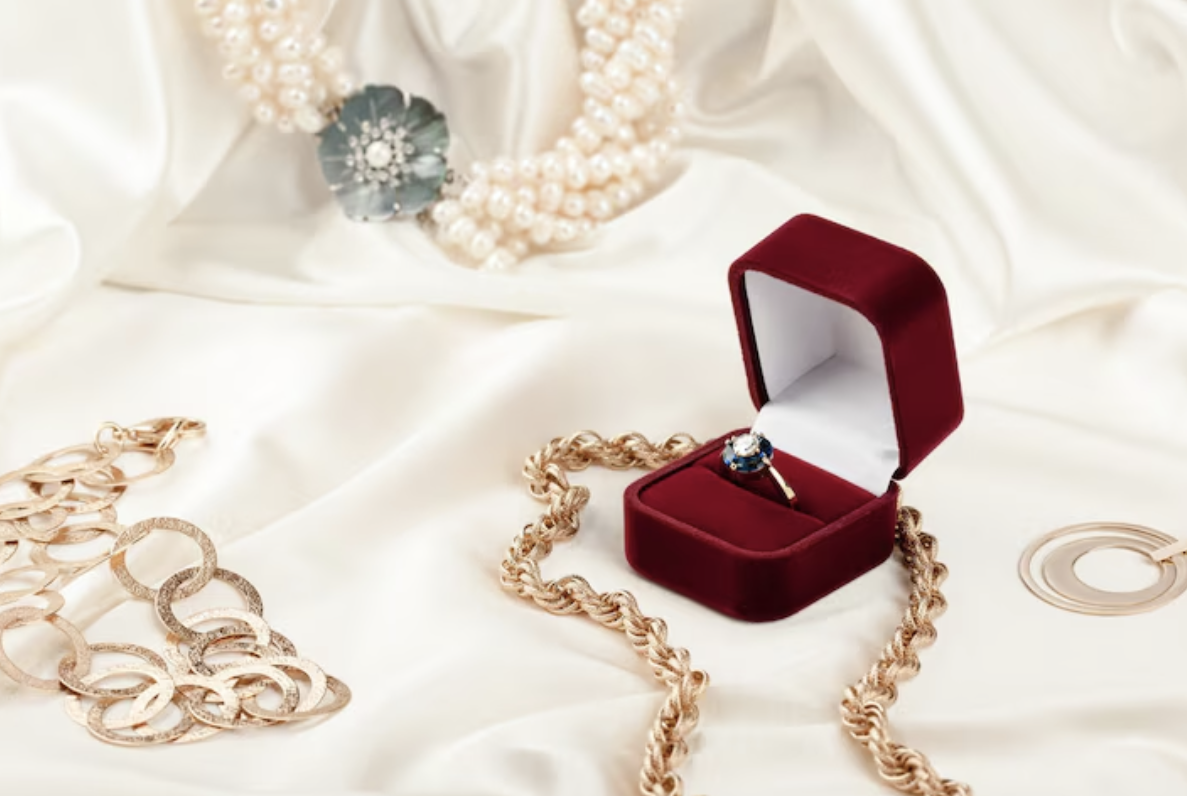
One of the hallmarks of high jewellery is the use of exceptional materials. Only the finest gemstones are selected, often after years of searching. These include flawless diamonds, rare coloured stones such as Burmese rubies or Colombian emeralds, and unique gems like padparadscha sapphires or black opals.
Equally important are the metals used. Platinum is favoured for its strength and purity, while gold in varying hues — yellow, white, and rose — adds character and contrast. In some cases, high jewellery may also feature unconventional materials such as enamel, carved jade or mother-of-pearl to enhance its narrative.
What elevates these materials is not just their value, but how they are integrated. The skill of the artisans ensures the gems are set in ways that maximise light, balance and harmony.
Design as Storytelling
Each high jewellery piece is typically created around a theme or story. Nature, art, culture and history are frequent inspirations. Collections may be dedicated to celestial motifs, flora and fauna, or architectural marvels. The narrative is then expressed through form, colour and arrangement, resulting in jewels that tell a tale as much as they dazzle the eye.
For the wearer, this storytelling element adds emotional depth. A high jewellery piece might represent a memory, a personal philosophy, or a connection to heritage. This is what transforms an item of luxury into a treasure with personal and cultural significance.
Bespoke Commissions and Collectability
One of the most compelling aspects of high jewellery is the opportunity for bespoke creation. Clients may work closely with a jewellery house to craft a piece that reflects their individuality or commemorates a special event. This collaborative process can take several months and involves detailed consultation and multiple design iterations.
Such bespoke pieces are often unique, with no other item like them in the world. As a result, they become family heirlooms, passed down from generation to generation with stories of their own.
Even high jewellery pieces that are part of a limited release are collectible. Their rarity means they often appreciate and are sought after in international auctions and private sales.
Wearing High Jewellery
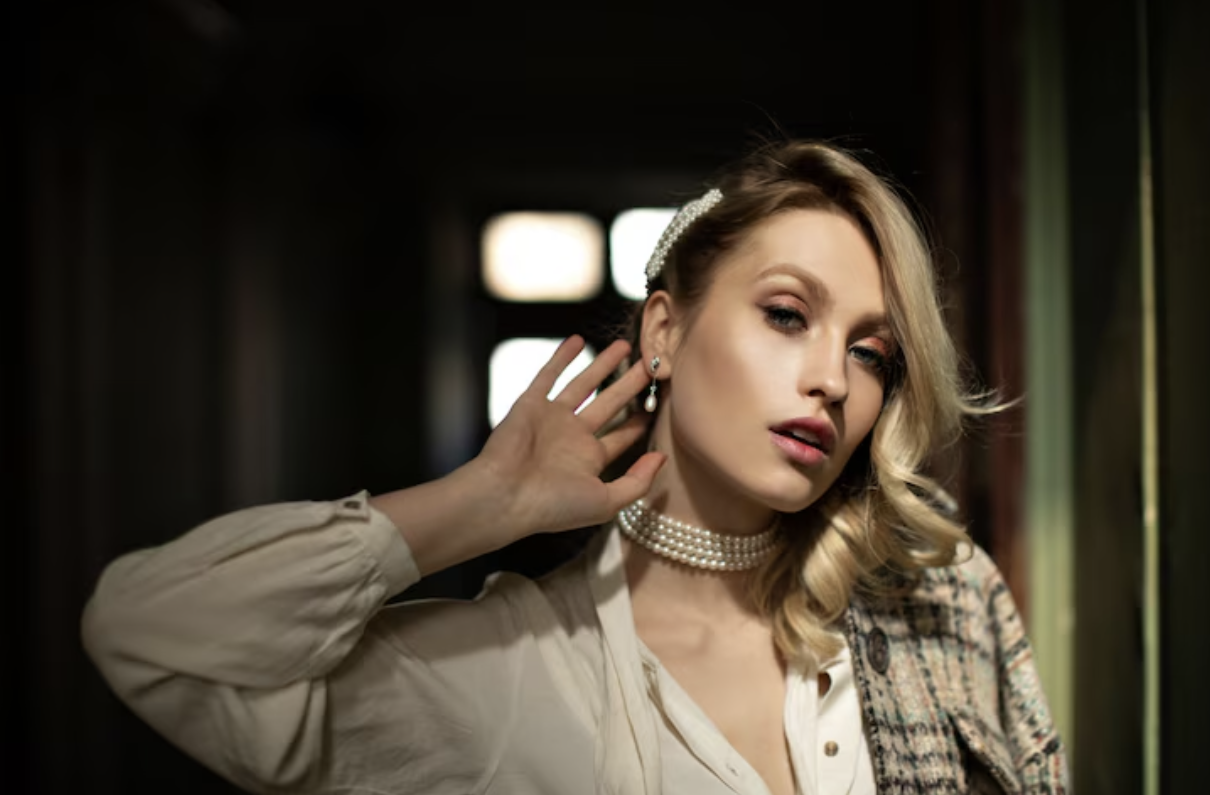
Though undeniably extravagant, high jewellery is not confined to vaults and showcases. Many collectors wear their pieces to special occasions — galas, red-carpet events, or private celebrations. The experience of wearing high jewellery is akin to wearing art; it enhances not only appearance but presence.
These pieces are also designed with comfort and wearability in mind. Despite their size and complexity, high jewellery must sit gracefully and securely, allowing the wearer to move freely while commanding attention.
Care, Preservation and Legacy
Given the value and craftsmanship of high jewellery, proper care is essential. Storage in padded cases, avoidance of harsh environments, and professional cleaning help preserve their brilliance. Many jewellery houses offer exclusive maintenance services to ensure their pieces remain pristine for decades.
The legacy of high jewellery extends beyond ownership. These pieces often find their way into museums, exhibitions and private collections, celebrated for their artistic merit and cultural relevance. For many collectors, owning such a piece is about legacy — a tangible expression of taste, achievement and appreciation of beauty.
Conclusion
High jewellery is defined by its blend of artistry, rarity and emotion. It represents the summit of jewellery design, not simply because of its value but because of the care, vision and skill embedded within each piece. For those drawn to objects of lasting beauty and deep meaning, high jewellery offers an experience that goes far beyond sparkle. It is, in every sense, a celebration of the extraordinary.