A Healthier Tomorrow: Inspiring Wellness Through Mindset, Nutrition, and Movement
Introduction
Did you know that over 70% of adults experience stress that affects their physical health, according to the American Psychological Association? As the pace of life accelerates, achieving true well-being requires more than occasional workouts or short-lived diets — it demands a holistic approach grounded in mindset, nutrition, and movement.
This article explores how these three pillars of wellness can work together to shape a healthier tomorrow — one where physical vitality, mental clarity, and emotional resilience coexist in harmony.
I. The Power of Mindset
A. Understanding the Mind-Body Connection
Our thoughts shape our reality — including our physical health. Studies show that chronic stress and negative thinking patterns can increase inflammation, disrupt sleep, and weaken immunity. Conversely, cultivating a positive mindset has been linked to improved cardiovascular health, lower cortisol levels, and even greater life expectancy.
B. Cultivating a Growth-Oriented and Resilient Mindset
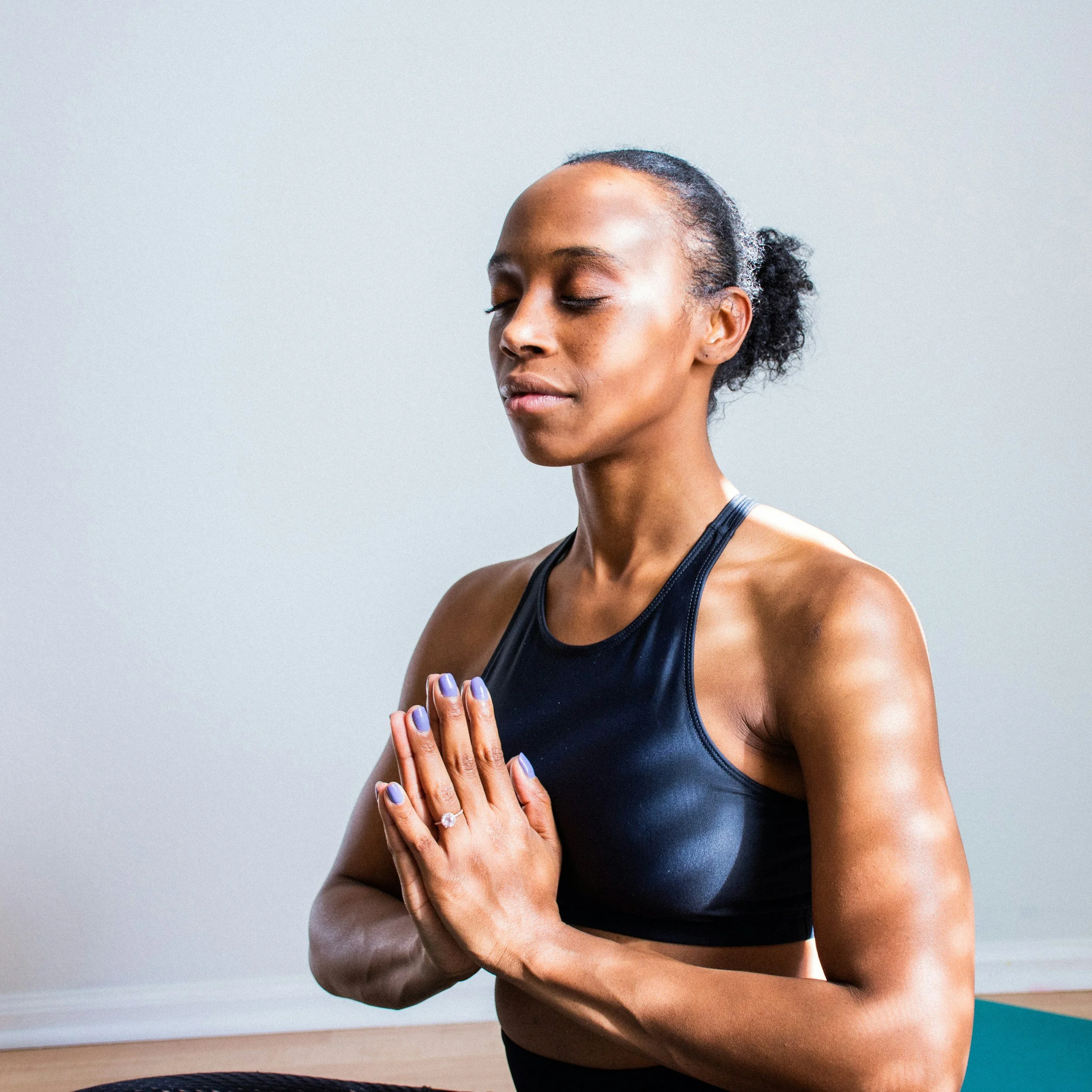
A growth mindset embraces challenges and setbacks as part of the learning process. When paired with emotional resilience, it becomes a powerful foundation for long-term wellness. Practices such as mindfulness meditation, gratitude journaling, and visualization can help rewire thought patterns, fostering more optimism and internal peace.
C. Practical Tips for Daily Mindset Shifts
Begin with gratitude: Write down three things you're grateful for each morning.
Reframe negativity: Turn “I can’t” into “I’m learning to…”
Set micro-goals: Small wins build confidence and momentum.
II. Fueling Wellness Through Nutrition
A. Nutrition as the Foundation of Health
The food we eat doesn't just fuel us — it heals, energizes, and protects. Nutrients play a critical role in hormone balance, cognitive function, and disease prevention. A well-balanced diet can improve mood, reduce brain fog, and even lower the risk of depression.
B. Key Nutritional Principles for a Better Tomorrow
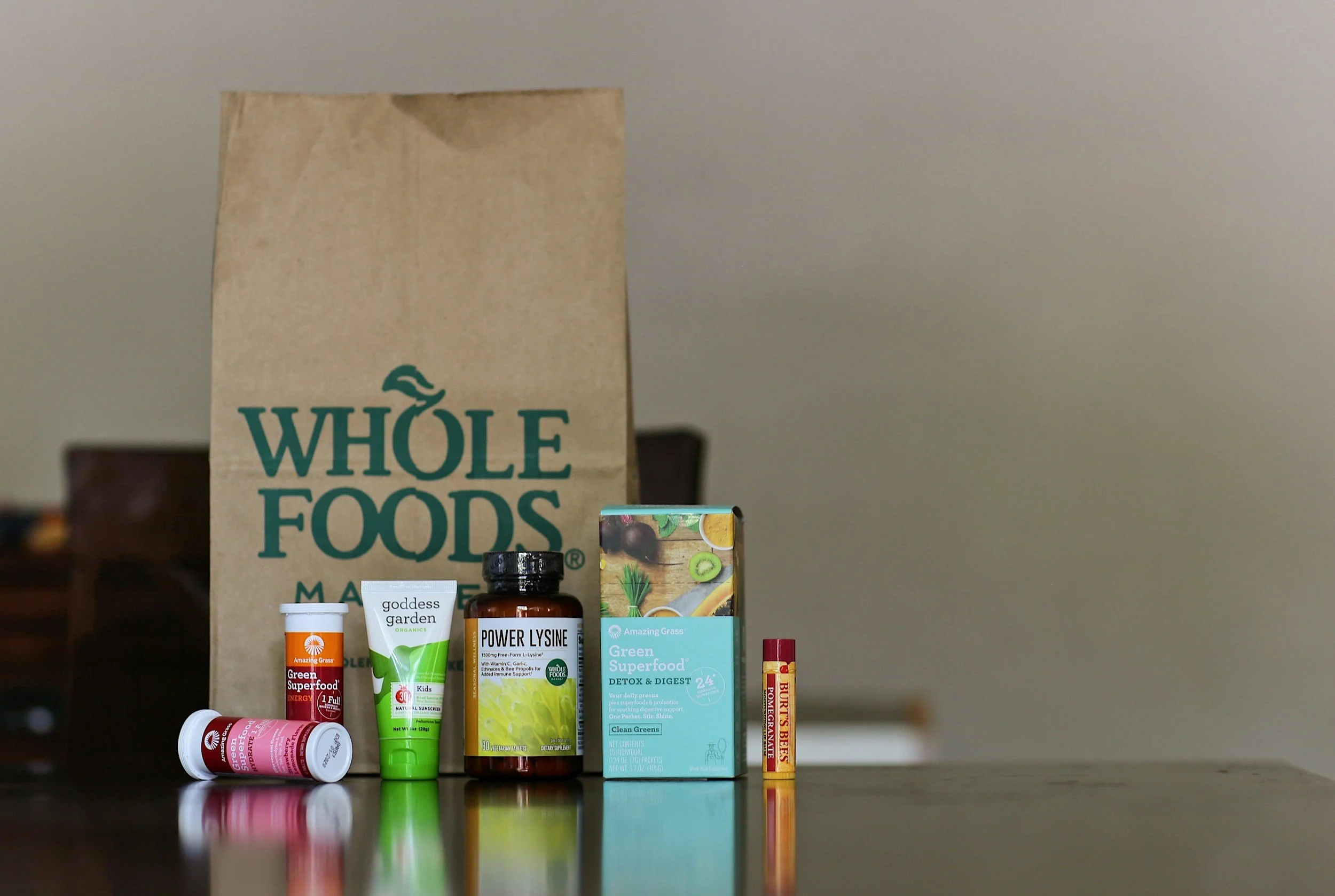
Choose whole foods: Opt for fruits, vegetables, lean proteins, whole grains, and healthy fats.
Prioritize gut health: Incorporate probiotics, fiber, and fermented foods to support digestion and mental clarity.
Stay hydrated: Water aids in detoxification, brain function, and skin health.
C. Building Sustainable Eating Habits
Meal prep ahead: Plan your meals for the week to reduce impulsive choices.
Follow the 80/20 rule: Eat nourishing foods 80% of the time, and enjoy indulgences guilt-free the other 20%.
Practice intuitive eating: Listen to your hunger and fullness cues rather than restrictive dieting.
III. Movement as Medicine
A. Physical Activity Beyond Weight Loss
Exercise is not just about looking good — it’s a key to feeling good. Physical activity improves mood, boosts memory, reduces anxiety, and promotes better sleep. It also helps regulate insulin, strengthen bones, and improve cardiovascular health.
B. Finding Joy in Movement
Discovering an activity you genuinely enjoy is the key to making movement a sustainable part of your lifestyle. Whether it’s yoga, martial arts, running, or dancing, the goal is to find what feels good for your body and mind.
Resources like Keep Fit Kingdom are incredibly helpful for this journey — they offer a wide range of content on fitness trends, expert insights, and motivational stories that inspire people to embrace movement not just as exercise, but as a fulfilling way of life. Their balanced approach highlights the joy of staying active, helping you move with purpose and passion.
C. Creating an Active Lifestyle
You don’t need to spend hours in the gym to stay healthy. Small, intentional changes make a big difference:
Take walking meetings.
Use stairs instead of elevators.
Stretch during work breaks.
Dance to your favorite playlist after dinner.
IV. Integrating the Three Pillars for Long-Term Wellness
A. How They Work Together
True wellness emerges when mindset, nutrition, and movement work in synergy. For instance, a positive mindset improves your relationship with food and encourages consistency in movement. A healthy diet enhances brain function, making it easier to stay focused and motivated. Regular physical activity boosts self-esteem and mental clarity, reinforcing a positive mindset.
This loop creates a self-sustaining cycle of well-being that can improve your life across all dimensions — personal, professional, and emotional.
B. Building a Personalized Wellness Plan
Everyone's path is unique. To build a wellness plan that lasts:
Assess where you are: What’s working? What needs attention?
Set meaningful goals: Choose one goal in each pillar — mindset, nutrition, movement.
Track progress: Use a journal, app, or calendar to stay accountable.
Celebrate small wins: Acknowledge your growth and build momentum.
Conclusion
A healthier tomorrow doesn't happen overnight — it starts with small, consistent choices made today. By nurturing your mindset, fueling your body with purpose, and moving joyfully, you lay the groundwork for a life filled with energy, confidence, and peace.
So, ask yourself: What’s one thing you can do today — for your mind, your plate, or your body — that your future self will thank you for?
This oral surgeon in Chattanooga TN also recommends not to forget to include regular health checkups as part of those small, meaningful steps. Preventive visits help catch potential issues early, give you a clearer picture of your overall health, and keep you on track toward long-term wellness. It’s one simple act today that can make a big difference for your future self.