Common Skin Concerns and What to Do About Them
Clear, healthy skin is a goal for many, yet achieving it can feel like a moving target. Our skin reflects numerous internal and external influences, from hormones and diet to stress and pollution. While each person's skin is different, there are several common concerns that many people encounter at some point. Understanding what causes these issues and how to manage them is the first step toward achieving healthier, more confident skin.
Whether it's a breakout that appears before a big event, persistent dryness that won't respond to moisturizer, or redness that comes and goes without explanation, skin concerns are more than surface-level. They can affect comfort, self-esteem, and even daily habits. Thankfully, advancements in skincare science and technology continue to expand the tools and treatments available to address them.
Acne and Breakouts
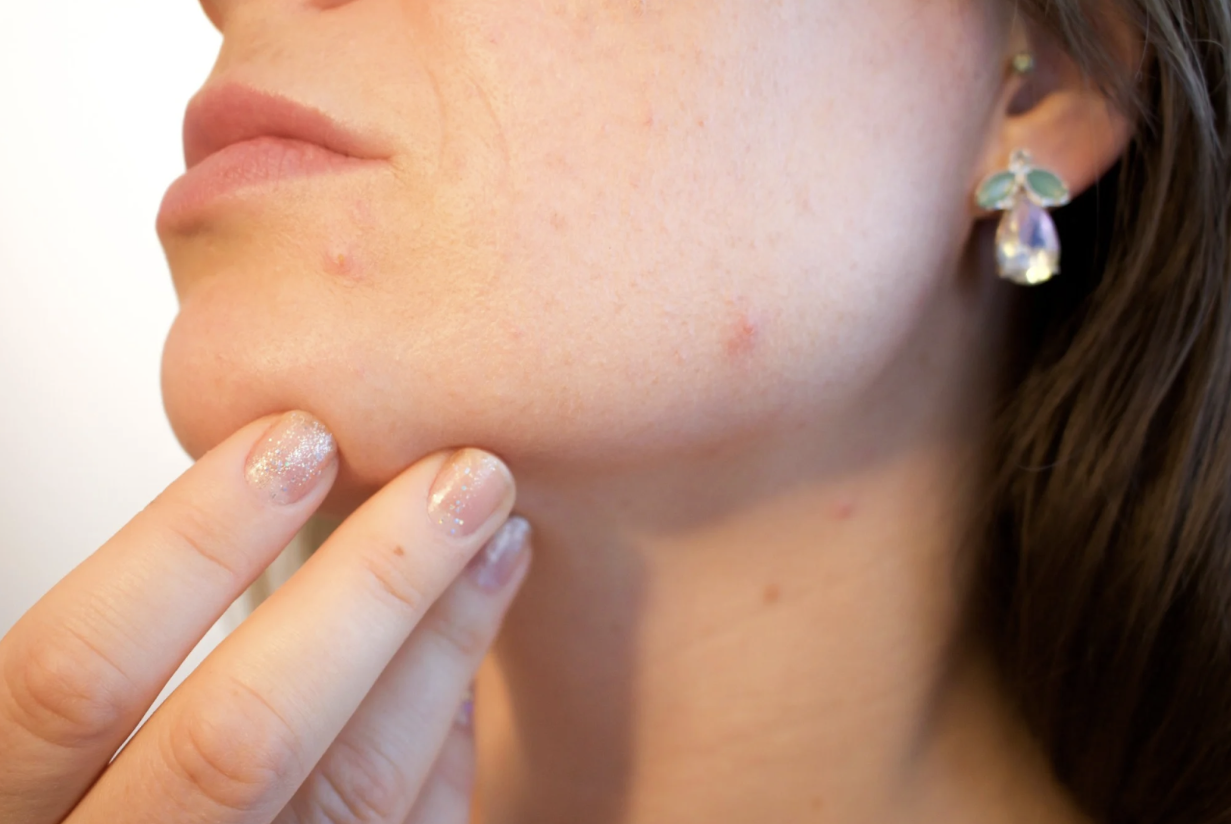
Acne is one of the most widespread skin issues, affecting teens and adults alike. It ranges from mild whiteheads and blackheads to more severe inflammatory lesions. Hormonal changes, excessive oil production, bacteria, and clogged pores all contribute to breakouts. Factors like diet, stress, and genetics also play a role.
To treat acne effectively, it’s important to match the method to the severity. Mild acne often responds well to over-the-counter treatments containing benzoyl peroxide or salicylic acid. More persistent or cystic cases may require prescription-strength medications or procedures such as chemical peels or light therapy. Maintaining a consistent skincare routine, avoiding harsh scrubs, and keeping hands off your face can also improve outcomes.
Scarring left behind by acne is another issue altogether. These scars can take the form of pitted marks, discoloration, or raised areas. Several medical treatments are available to improve their appearance, including microneedling, laser resurfacing, and dermal fillers. For those exploring advanced solutions, numerous effective acne scar removal options in Singapore combine precision with minimal downtime. These services offer a range of treatments tailored to individual skin types and scar profiles, making it easier to regain a smooth and even skin texture.
Hyperpigmentation
Uneven skin tone, dark spots, and melasma fall under the category of hyperpigmentation. These areas of discoloration are often triggered by sun exposure, hormonal changes, inflammation, or skin injury. While not harmful, they can be persistent and frustrating to manage.
The key to addressing hyperpigmentation is sun protection. Daily use of broad-spectrum sunscreen with SPF 30 or higher prevents existing spots from darkening and new ones from forming. Ingredients like vitamin C, niacinamide, kojic acid, and alpha arbutin can gradually lighten discoloration when used consistently. For more stubborn cases, treatments such as chemical peels or laser therapy may provide faster and more noticeable results.
Consistency and patience are critical here. Many brightening treatments take several weeks to show results, and using them as directed, without overuse, is vital to avoid skin irritation or rebound effects.
Dry and Dehydrated Skin
Dry skin can result from environmental exposure, harsh products, low humidity, or underlying medical conditions like eczema. It may feel tight, look flaky, and appear dull. Dehydrated skin, while often confused with dryness, lacks water rather than oil and can affect all skin types, even oily ones.
Addressing dryness involves choosing gentle cleansers that don’t strip the skin’s natural barrier and layering moisturizers that contain ingredients like ceramides, hyaluronic acid, and glycerin. For eczema-prone areas, it may also help to apply eczema cream to reduce irritation and restore the skin barrier.Dehydrated skin benefits from water-binding ingredients and avoiding excessive exfoliation, which can worsen moisture loss.
Using a humidifier during colder months and drinking adequate water throughout the day can also help restore and maintain hydration levels. Knowing the difference between dry and dehydrated skin is key to selecting the right skincare strategy.
Sensitivity and Redness
Sensitive skin reacts quickly to skincare products, weather, or stress. Redness, stinging, burning, and dryness are common symptoms. In some cases, underlying conditions such as rosacea or allergic contact dermatitis may be to blame.
The goal with sensitive skin is to reduce triggers and strengthen the skin’s protective barrier. Fragrance-free, hypoallergenic products with minimal ingredients are the safest choice. Look for soothing components like aloe vera, centella asiatica, and colloidal oatmeal.
It’s also wise to perform patch tests when introducing new products and to avoid over-cleansing or using very hot water on the face. If symptoms persist, a dermatologist can help identify whether a more specific diagnosis or treatment plan is needed.
Fine Lines and Aging Skin
Aging is natural, but many people seek to delay the visible signs of time. Fine lines, loss of elasticity, and dullness often begin to appear in the late twenties or early thirties, though they can emerge sooner depending on lifestyle and genetics.
Topical retinoids remain the gold standard for reducing fine lines and promoting collagen production. In addition, antioxidants like vitamin C and E defend against environmental damage, while peptides and growth factors support skin repair.
Preventative measures also go a long way. Wearing sunscreen every day, maintaining a balanced diet, and avoiding smoking are all practices that help protect the skin’s youthful qualities. Treatments such as microneedling, radiofrequency, and non-ablative lasers can also provide firming and rejuvenating effects without invasive procedures.
Navigating common skin concerns requires knowledge, consistency, and sometimes professional guidance. From treating breakouts to managing redness or improving texture, a tailored approach ensures you’re addressing the root cause rather than just masking symptoms. With the right care and tools, achieving healthier skin becomes a realistic and rewarding journey that supports both appearance and confidence. Clearer, more resilient skin is within reach when you understand what it needs and take action accordingly.