Blood in Urine: Is It a Kidney Issue or Prostate Problem?
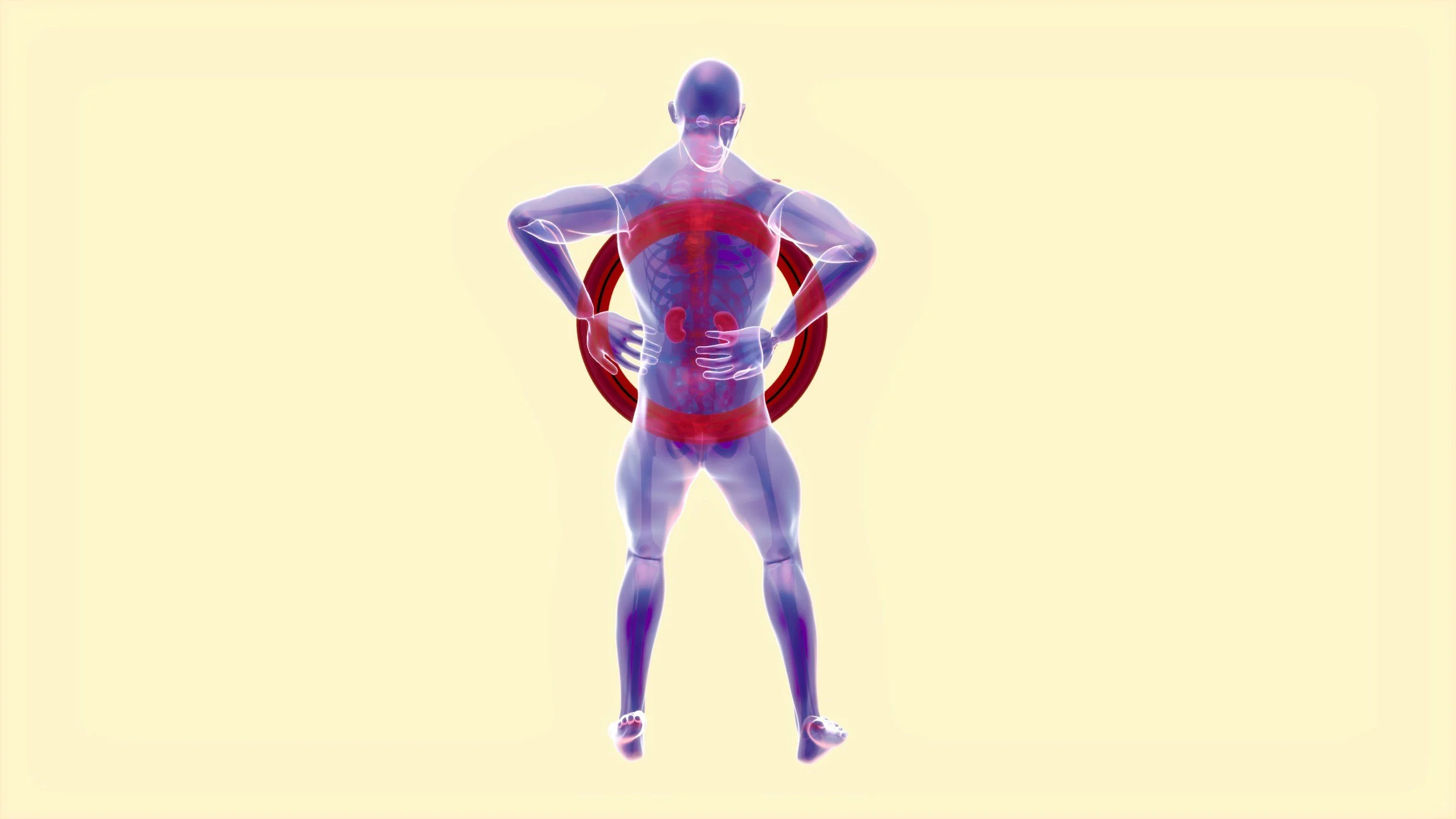
Have you ever noticed pink or red-tinged urine and wondered whether your kidneys or prostate might be the culprit? Blood in urine appears either as visible red or pink discoloration (gross hematuria) or only under microscopic examination (microscopic hematuria). The source spans from kidneys through ureters, bladder, prostate, to urethra, with each location producing distinct accompanying symptoms. Kidney-related bleeding often presents with flank pain and occurs throughout urination, while prostate-related bleeding typically appears at the beginning or end of the urine stream.
Hematuria affects men across all age groups, though causes shift with age. Younger men commonly experience bleeding from kidney stones or urinary infections, while older men face increased likelihood of prostate enlargement or bladder conditions. The bleeding itself ranges from tea-colored urine indicating kidney origin to bright red drops suggesting lower urinary tract sources.
Kidney-Related Causes of Hematuria
Kidney Stones
Kidney stones cause bleeding when sharp calcium oxalate or uric acid crystals scrape the urinary tract lining during passage. The blood typically appears throughout the entire urine stream, accompanied by colicky pain radiating from the back to the groin. Smaller stones often pass spontaneously, while larger stones often require intervention.
Diagnostic confirmation uses non-contrast CT scanning, which detects small stones and reveals their location within the urinary system. Urine testing during acute episodes shows red blood cells alongside crystals matching the stone composition. Treatment depends on stone location and size: medical expulsive therapy with alpha-blockers for smaller distal ureteral stones, extracorporeal shock wave lithotripsy for renal stones, or ureteroscopy for stones failing conservative management.
Glomerulonephritis
Glomerular inflammation produces a distinct hematuria pattern - cola or tea-colored urine from red blood cells breaking down during their slow kidney passage. Unlike stone-related bleeding, glomerulonephritis causes painless hematuria accompanied by significant proteinuria. Blood pressure elevation occurs early in many patients.
Laboratory findings reveal dysmorphic red blood cells and red cell casts on microscopy - signs of glomerular bleeding. Serum creatinine rises progressively, while complement levels drop in post-infectious cases. Kidney biopsy provides definitive diagnosis, showing specific patterns like IgA deposition in IgA nephropathy or basement membrane thickening in membranous nephropathy.
Polycystic Kidney Disease
Cyst rupture or infection in polycystic kidneys produces intermittent gross hematuria lasting several days. The bleeding coincides with dull, aching flank pain rather than the sharp colicky pain of stones. Ultrasound reveals multiple bilateral cysts, with kidneys often enlarged compared to normal size.
Patients commonly develop hypertension at a young age, requiring multiple medications for control. Kidney function declines predictably, with serum creatinine doubling over time once established. Magnetic resonance imaging differentiates simple cysts from hemorrhagic or infected cysts requiring targeted treatment.
Prostate-Related Causes of Hematuria
Benign Prostatic Hyperplasia (BPH)
Enlarged prostates develop fragile blood vessels on their surface that rupture easily during urination or straining. The bleeding manifests as initial or terminal hematuria - blood appearing at the beginning or end of the stream rather than throughout. Men with BPH report progressive urinary symptoms: weakened stream, incomplete emptying, frequency, and nocturia disrupting sleep.
Digital rectal examination reveals a smoothly enlarged, firm prostate without nodules. Prostate-specific antigen (PSA) levels rise proportionally with gland size. Transrectal ultrasound measures prostate volume. Post-void residual urine indicates obstruction when elevated.
BPH treatment in Singapore follows stepwise progression based on symptom severity measured by the International Prostate Symptom Score (IPSS). Alpha-blockers like tamsulosin provide symptom relief by relaxing smooth muscle. 5-alpha-reductase inhibitors reduce prostate size but require continuous use. Combination therapy suits men with larger prostates and moderate to severe symptoms.
Prostate Cancer
Prostate cancer rarely causes hematuria until reaching locally advanced stages invading the bladder neck or urethra. The bleeding appears intermittently, often triggered by physical activity or bowel movements pressing against the tumor. Unlike BPH's symmetric enlargement, cancer creates firm, irregular nodules palpable during digital examination.
Rising PSA velocity suggests malignancy regardless of absolute value. PSA density (PSA divided by prostate volume) increases cancer probability when elevated. Multiparametric MRI identifies suspicious lesions using PI-RADS scoring, with higher scores warranting targeted biopsy. Gleason scoring from biopsy tissue determines aggressiveness, ranging from 6 (low-grade) to 10 (high-grade).
Prostatitis
Acute bacterial prostatitis causes sudden-onset hematuria with severe perineal pain, fever, and difficulty urinating. The prostate feels boggy and tender on examination. Urine culture grows pathogenic bacteria, commonly E. coli.
Chronic prostatitis produces intermittent hematuria without systemic symptoms. Pain localizes to the perineum, penis tip, or suprapubic region, worsening with prolonged sitting. Expressed prostatic secretions show elevated white blood cells with or without bacterial growth. Fluoroquinolone antibiotics achieve cure in bacterial cases, while alpha-blockers and anti-inflammatories manage chronic pelvic pain syndrome.
Diagnostic Approach
Initial Evaluation
Urinalysis with microscopy quantifies hematuria severity and identifies accompanying findings. Greater than 3 red blood cells per high-power field confirms microscopic hematuria requiring investigation. Dysmorphic red blood cells suggest glomerular origin, while normal morphology indicates lower tract bleeding. Concurrent pyuria (>5 white blood cells per high-power field) points toward infection or inflammation.
Urine cytology detects malignant cells shed from bladder or upper tract cancers. Sensitivity varies for high-grade tumors and may be lower for low-grade lesions. Three separate morning samples improve detection rates. Atypical cells warrant cystoscopy regardless of other findings.
Imaging Studies
CT urography with contrast provides comprehensive evaluation from kidneys to bladder in a single study. The non-contrast phase detects stones. Nephrographic phase (60-90 seconds post-contrast) reveals renal masses and parenchymal abnormalities. Excretory phase (5-10 minutes) shows filling defects from tumors or blood clots in the collecting system.
Ultrasound serves as initial imaging for suspected BPH or when contrast is contraindicated. Bladder wall thickness exceeding 5mm suggests chronic obstruction. Hydronephrosis indicates upper tract obstruction requiring evaluation. Doppler assessment differentiates solid masses from complex cysts based on vascularity patterns.
Specialized Testing
Cystoscopy visualizes the bladder interior and prostatic urethra directly, identifying tumors, stones, or bleeding vessels missed on imaging. Flexible cystoscopy in clinic settings takes 5-10 minutes with minimal discomfort. Blue light cystoscopy using hexaminolevulinate improves cancer detection by causing tumor cells to fluoresce pink.
Urodynamics quantifies voiding dysfunction in complex cases. Maximum flow rates below 10ml/second indicate obstruction. Pressure-flow studies differentiate obstruction from detrusor underactivity. Post-void residual exceeding 300ml predicts acute retention risk requiring treatment.
Treatment Considerations Based on Diagnosis
Kidney stone management varies by composition and location. Uric acid stones may dissolve with urinary alkalinization targeting pH 6.5-7.0. Calcium stones may require dietary modification limiting sodium to 2-3 grams daily and maintaining calcium intake at 1000-1200mg. Thiazide diuretics may reduce recurrence by decreasing urinary calcium excretion.
BPH treatment incorporates medical and surgical options based on prostate size and symptom severity. Smaller prostates may respond to alpha-blockers alone. Medium-sized prostates may benefit from combination alpha-blocker and 5-alpha-reductase inhibitor therapy. Larger prostates or medication failure may warrant surgical intervention: transurethral resection (TURP) for medium-sized glands, laser enucleation for larger glands, or prostatic artery embolization for poor surgical candidates.
Prostate cancer treatment depends on risk stratification using PSA, Gleason score, and clinical stage. Low-risk disease may suit active surveillance with PSA monitoring every 3-6 months. Intermediate-risk disease may warrant definitive treatment with radical prostatectomy or radiation therapy. High-risk disease may require multimodal therapy combining surgery or radiation with androgen deprivation. Treatment decisions should be made in consultation with a qualified healthcare professional.
Next Steps
Blood in urine requires prompt evaluation to identify the underlying cause and initiate appropriate treatment. Kidney stones may need stone removal or medication, while prostate conditions often respond to targeted medical or surgical intervention. Accurate diagnosis through imaging and specialized testing guides treatment selection and prevents complications.
If you are experiencing blood in urine, weak urinary stream, or persistent urinary symptoms, consult with a urologist for comprehensive evaluation and treatment planning.