Kneipp Path: A Simple Ritual for Rest and Vitality
Walking barefoot through alternating warm and cool water might not seem like a spa ritual at first glance — but the Kneipp path is a wonderfully grounding practice that blends hydrotherapy, mindfulness and simple sensory pleasure. Rooted in 19th-century European naturopathy, the Kneipp method is beloved for its immediate, invigorating effects and its gentle, accessible nature.
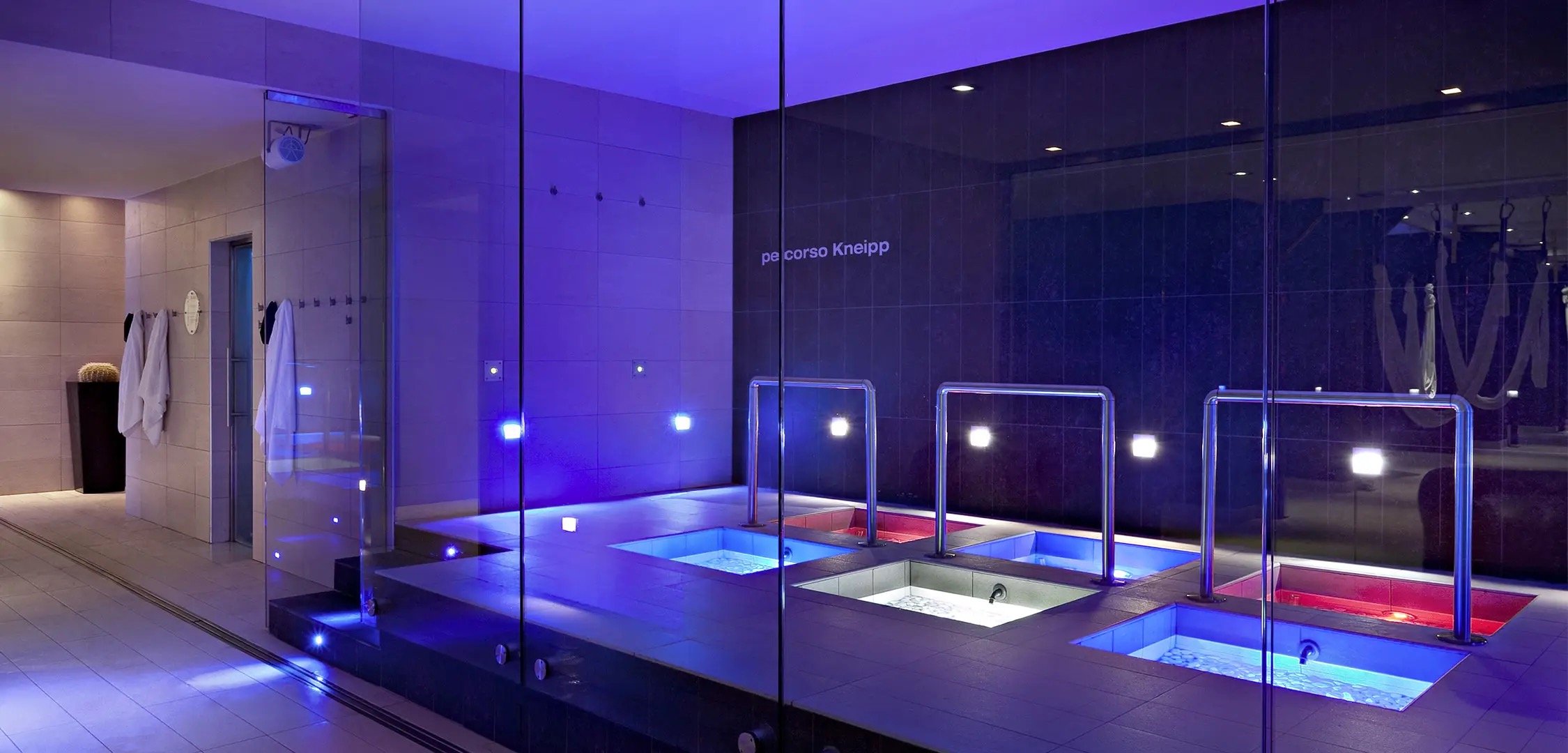
A Kneipp path typically consists of shallow basins or a winding trough filled with water at different temperatures. Participants step slowly from warm to cool sections, sometimes pausing to feel the contrast, breathe mindfully, and notice sensations in the feet and lower legs. This alternation stimulates circulation, supports the immune response and awakens the nervous system in a pleasantly enlivening way.
Part of the charm is its simplicity. No special equipment is required — just comfortable clothes and willingness to be present. Spas and wellness centres often surround Kneipp paths with natural elements: smooth stones underfoot, mossy accents, or soft wooden benches for lingering afterwards. After a walk, many people enjoy a warm herbal tea and a moment of stillness to let the effects settle.
Kneipp therapy is particularly appealing to travelers and urban dwellers because it’s low-impact and easily integrated into a spa day. It pairs beautifully with other modalities: try a Kneipp circuit before a massage to prime circulation, or after a steam session to cool and ground the body. The sensory contrast makes the body more receptive to subsequent therapies and heightens the overall restorative arc of a spa visit.
Health benefits often reported include reduced lower-leg swelling, improved circulation, boosted mood and increased alertness. It’s also a subtle form of foot reflexology — the varied textures and temperatures encourage micro-movements that gently engage muscles and nerves. For people with sensitive circulation or certain medical conditions, it’s wise to check with a practitioner first, but for most, Kneipp walking is a safe, enlivening practice.
To try a Kneipp walk at home, set up two shallow tubs — one with pleasantly warm water and one with cool water — and alternate stepping between them for a few minutes. Finish with a warm foot rub and a cozy pair of socks. Keep the experience mindful: pay attention to breath, the feeling of water against skin, and the small sensations that often go unnoticed.
There’s a humble magic to Kneipp therapy: it reminds us that wellness doesn’t always require complexity. Sometimes the simplest rituals — slow footsteps, cool water, focused breath — reconnect us to the body in ways that feel quietly miraculous. If you’re craving a gentle boost of vitality or a mindful ritual to punctuate your day, a Kneipp path might be the tiny, restorative pleasure you’re looking for.