
How to Stay Secure as Your Healthcare Business Grows
As healthcare organizations expand, such as adding more patients, more staff, and more systems, their need for strong, consistent security only grows. A clinic that once relied on simple processes can quickly become overwhelmed as new tools are added, more devices connect to networks, and sensitive medical data flows between systems and staff. Keeping up with these changes doesn’t have to be overwhelming, but it does require a proactive mindset. Growth introduces new challenges, and staying secure means developing habits, using the right tools, and making thoughtful decisions that support patient privacy and operational stability.
Set clear internal security expectations
A strong foundation starts with policies that are easy to understand and follow. As new staff join and workflows evolve, healthcare teams need practical guidelines for managing logins, handling devices, and responding to suspicious activity like phishing or ransomware attempts.
Keeping things simple, like requiring strong passwords, promoting regular updates, and reviewing procedures during onboarding, goes a long way. When everyone knows what to expect and what to do in uncertain situations, it helps stop small missteps from turning into real threats.
Avoid relying on default settings
A surprising number of systems in healthcare facilities still use default passwords or have open access across roles and departments. While these settings make it easy to launch software quickly, they often leave behind major vulnerabilities that can be exploited.
Taking the time to review access settings, turn on two-factor authentication, and limit administrative permissions helps create a safer environment from the start. Even a quick security audit can reveal areas where basic configuration updates can make a lasting impact.
Secure devices and every connection point
With mobile carts, tablets, laptops, and even remote staff now part of modern healthcare delivery, every connected device becomes a potential risk. Lost, stolen, or unprotected devices can expose confidential data or grant access to internal systems that should be protected.
Using auto-locking screens, data encryption, and strong passwords across every device adds a layer of protection without complicating workflows. These habits may seem small, but when they’re followed across the entire organization, they reduce risk significantly and create a culture of accountability.
Prioritize industry-specific risks
Healthcare data carries a unique level of sensitivity, and the risks go beyond general IT concerns. Patient records, connected diagnostic devices, and real-time monitoring tools all operate in environments that demand more awareness and control.
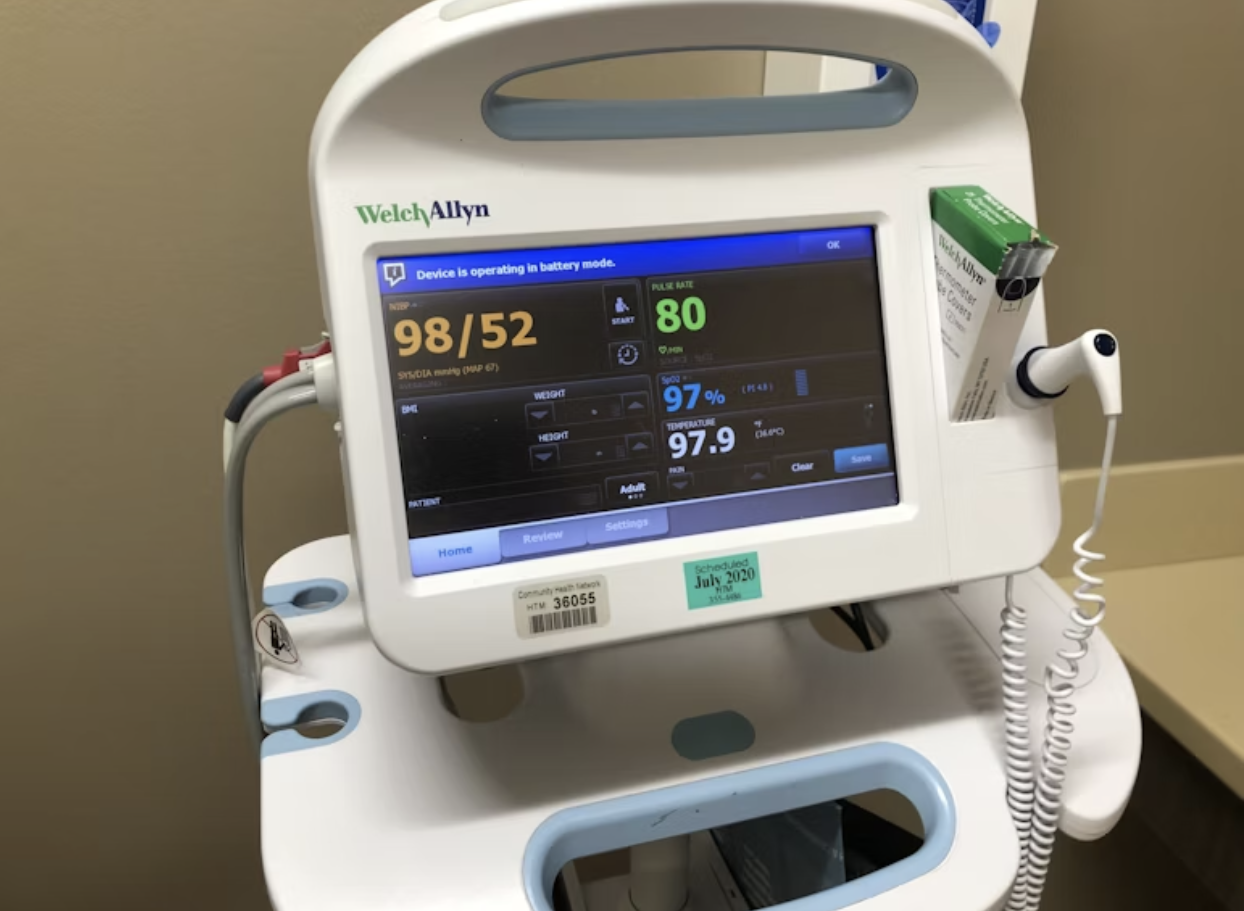
For example, hospitals and medtech providers using network-connected devices need to pay close attention to med device cybersecurity. These devices often have unique software requirements and limited ability to receive security updates, making them a potential target if not actively monitored and supported.
Train staff to handle real-world threats
Even the best tools won't help if staff click on a fake login or send data to the wrong person. That’s why education is one of the most important layers of defense, especially in healthcare, where teams often juggle multiple systems and patient interactions at once.
Short, focused training that helps staff recognize phishing emails, social engineering tactics, or unusual system activity can make a real difference. When people feel confident spotting red flags, they’re more likely to pause and ask questions instead of reacting too quickly.

Protect patient data as you grow
Patient trust depends on how data is handled, and that responsibility only grows with scale. From appointment history to lab results and billing details, healthcare organizations manage data that’s both sensitive and valuable, making it a prime target for attackers.
Using encryption, limiting access to clinical records, and minimizing how much data is stored long-term are all smart strategies. Transparency matters too. Letting patients know how their information is handled builds confidence and reinforces a culture of security across the organization.
Stay current with updates and patches
Software vulnerabilities are one of the most common ways attackers gain access, and unfortunately, they often succeed because systems haven’t been updated in time. In a healthcare setting, this includes scheduling software, EMRs, communication platforms, and even patient check-in kiosks.
Old software that isn’t patched can put the entire system at risk. Automating updates when possible, or assigning someone to manage them on a consistent schedule, helps protect against known threats and keeps systems functioning safely and reliably.
Manage access carefully
In growing healthcare organizations, roles and responsibilities change often. If access isn’t reviewed regularly, former employees or contractors might still have active credentials, or current users might have more access than they need.
Instead of giving every user full permissions, it’s safer to assign access based on role, using permission tiers or custom user profiles. When access is limited to what’s truly necessary, the organization reduces the impact of potential breaches and maintains better control.
Reevaluate risk as the organization evolves
The security strategy that made sense for a single clinic might not work as the business expands to new locations or adds digital services like telehealth. Each growth phase brings new workflows, software integrations, and people who interact with patient data.
That’s why it’s worth regularly reviewing the organization’s biggest cybersecurity concerns. Whether it’s integrating with external vendors, managing remote teams, or adopting new digital platforms, every new tool or process introduces a new set of risks that need attention.
Prepare for incidents with a clear response plan
Even with strong protections in place, no system is completely immune to mistakes or unexpected breaches. Having a simple, well-communicated response plan helps healthcare teams act quickly when something does happen, whether it’s a phishing attempt, lost device, or suspected data leak.
This plan should outline who to notify, how to contain the issue, and what steps to take to limit the impact. Practicing this plan through brief drills or tabletop exercises makes it easier for staff to respond calmly and efficiently, reducing downtime and protecting patient trust during high-stress moments.
Security doesn’t stand still in a growing healthcare business. As the organization expands, keeping systems, data, and people protected means building daily habits, reviewing evolving risks, and staying aligned with both industry expectations and patient trust. A proactive, thoughtful approach makes it easier to grow safely and confidently.